Cambridge, United Kingdom | July 19, 2026
Cambridge University Sweetener Study
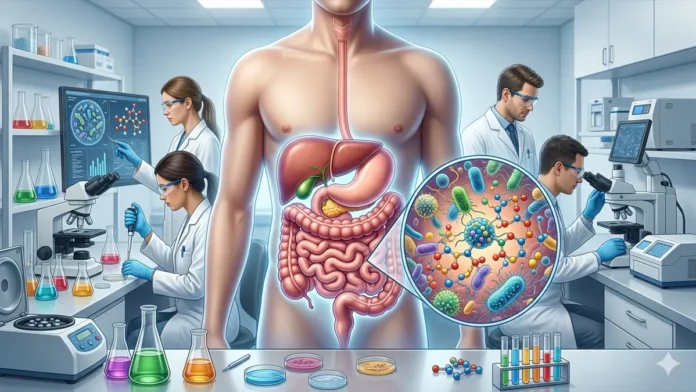
People often choose diet drinks, sugar-free desserts, and low-calorie sweeteners as healthier alternatives to sugar. However, a new laboratory study by researchers at the University of Cambridge suggests that some of these sweeteners may influence the balance of beneficial bacteria living in the human gut.
The researchers emphasized that the findings are based on laboratory experiments and do not prove that the same effects occur in humans. They say further clinical studies are needed before drawing conclusions about health risks.
Why Gut Bacteria Matter
The human digestive tract contains trillions of microorganisms collectively known as the gut microbiome.
These microbes play important roles in:
- Digesting food
- Regulating blood sugar
- Supporting the immune system
- Producing beneficial compounds
- Maintaining overall digestive health
An imbalance in the gut microbiome has been linked in previous research to a variety of health conditions, although the relationship is complex and still being studied.
How the Study Was Conducted
Scientists from the Medical Research Council (MRC) Toxicology Unit at the University of Cambridge examined how commonly used artificial and low-calorie sweeteners interact with gut bacteria.
For the study, researchers:
- Cultured 25 different gut bacterial species in the laboratory.
- Included beneficial, neutral, and potentially harmful bacteria.
- Exposed the bacteria to 39 artificial and low-calorie sweeteners commonly found in food and beverages.
The goal was to determine whether these sweeteners directly affected bacterial growth.
What the Researchers Found
According to the study, approximately 75% of the tested sweeteners influenced the growth of at least one bacterial species.
Researchers observed that some sweeteners slowed the growth of bacteria considered important for maintaining a healthy gut microbiome.
The study did not conclude that all low-calorie sweeteners have harmful effects, but it highlighted that different sweeteners can interact with bacteria in different ways.
Interactions With Medicines and Food Additives
The scientists also investigated how sweeteners behaved when combined with other substances, including:
- Caffeine
- Vanilla extract
- Other sweeteners
- Common medications
They identified more than 100 interactions in which the effects of sweeteners changed when combined with another compound.
In some cases, the biological effects became stronger, while in others they were reduced.
Combination of Isosteviol and Duloxetine Drew Attention
One of the most notable findings involved isosteviol, a sweetener derived from stevia, and the antidepressant duloxetine.
According to the laboratory experiments, combining these two substances significantly reduced the growth of two beneficial gut bacteria:
- Roseburia intestinalis
- Parabacteroides merdae
These bacterial species have been associated in previous research with healthy digestion, blood sugar regulation, and immune function.
The researchers stressed that this observation was made only under laboratory conditions.
Artificial Gut Model Showed Reduced Diversity
To better simulate real-world conditions, the researchers created an artificial microbial community containing all 25 bacterial species.
Within this model, the combination of isosteviol and duloxetine reduced the diversity of the gut microbiome.
A more diverse microbiome is generally considered a marker of a healthy gut ecosystem.
The study also reported signs of:
- Toxic effects on certain cells
- Potential influence on inflammatory pathways
- Possible changes in immune-related biological processes
However, these findings remain preliminary and require confirmation through human studies.
Researchers Urge Caution, Not Alarm
Lead researcher Dr. Sonja Blesch said artificial sweeteners are often marketed as substances that pass through the body with little biological impact.
According to the research team, their findings suggest that sweeteners may interact with gut bacteria, particularly when consumed alongside medications or other food additives.
Senior author Professor Kiran Patil said the study opens new avenues for investigating how food additives interact with the gut microbiome and whether these interactions could influence human health.
Important Limitation of the Study
The researchers emphasized a key limitation:
- The experiments were conducted only in laboratory settings.
- The findings cannot be directly applied to humans.
- Additional clinical and human studies are needed before any dietary recommendations can be made.
As a result, the study should be viewed as an early-stage scientific investigation rather than evidence that low-calorie sweeteners are harmful to people.
Key Highlights
- A Cambridge University Sweetener Study examined the effects of 39 artificial and low-calorie sweeteners on gut bacteria.
- Around 75% of tested sweeteners affected the growth of at least one bacterial species in laboratory experiments.
- Researchers identified more than 100 interactions between sweeteners and other substances, including medications.
- The combination of isosteviol and duloxetine showed the strongest effect on certain beneficial gut bacteria.
- Scientists stressed that the research was conducted only in the laboratory and does not establish health effects in humans.
- Further human clinical studies are required to confirm the findings.