New Delhi | August 3, 2026
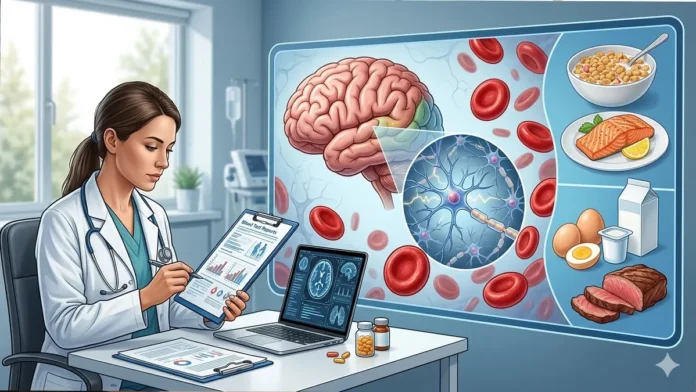
Vitamin B12 Deficiency is one of the most common yet frequently overlooked nutritional deficiencies worldwide. Because the condition develops gradually, its early symptoms are often mistaken for ordinary fatigue or stress. Health experts warn that ignoring these warning signs for an extended period may result in irreversible nerve damage, cognitive decline, and serious blood disorders.
The good news is that Vitamin B12 deficiency is usually treatable when diagnosed early, making timely medical evaluation essential.
Why Is Vitamin B12 Important?
Vitamin B12 is a water-soluble vitamin that plays a vital role in several essential bodily functions, including:
- Production of healthy red blood cells
- DNA synthesis
- Normal brain function
- Healthy nervous system
- Protection of nerve cells through the myelin sheath
- Energy metabolism
Since the human body cannot produce Vitamin B12 on its own, it must be obtained through food or dietary supplements.
Who Is Most at Risk of Vitamin B12 Deficiency?
Although Vitamin B12 deficiency is commonly associated with vegetarians and vegans, experts say several other groups are also at increased risk.
These include:
- Older adults
- People following strict vegetarian or vegan diets
- Individuals with stomach or intestinal disorders
- Patients taking long-term acid-reducing medications
- People using certain diabetes medications, including metformin
- Individuals with conditions that affect nutrient absorption
Common Causes of Vitamin B12 Deficiency
Doctors say deficiency generally occurs due to one of two reasons:
1. Inadequate Dietary Intake
Vitamin B12 is naturally found primarily in animal-based foods. People who consume little or no animal products may gradually develop deficiency if they do not consume fortified foods or supplements.
2. Poor Absorption
Even if dietary intake is adequate, the body may fail to absorb Vitamin B12 properly.
This can happen because:
- The stomach does not produce enough intrinsic factor, a protein essential for Vitamin B12 absorption.
- Diseases affecting the stomach or small intestine interfere with absorption.
- Long-term use of acid-suppressing medications reduces absorption efficiency.
Early Symptoms You Should Never Ignore
Because Vitamin B12 deficiency develops slowly, early warning signs are often subtle.
Common symptoms include:
- Persistent fatigue
- Weakness
- Low energy levels
- Pale skin
- Shortness of breath
- Dizziness
- Headaches
Many people dismiss these symptoms as stress or overwork, delaying diagnosis.
How Vitamin B12 Deficiency Affects the Brain and Nervous System
If left untreated, Vitamin B12 deficiency can damage the nervous system.
Potential neurological symptoms include:
- Tingling or numbness in the hands and feet
- Difficulty maintaining balance
- Muscle weakness
- Poor coordination
- Trouble walking
- Difficulty climbing stairs
Vitamin B12 is essential for maintaining the myelin sheath, the protective covering surrounding nerves. Damage to this layer can impair communication between the brain and the rest of the body.
Memory Problems and Cognitive Changes
Vitamin B12 also plays an important role in brain health.
A prolonged deficiency may contribute to:
- Memory loss
- Difficulty concentrating
- Mental confusion
- Reduced attention span
- Slower thinking
- Mood changes
Experts recommend medical evaluation if these symptoms appear alongside fatigue or neurological complaints.
Can Vitamin B12 Deficiency Cause Anemia?
Yes.
Vitamin B12 deficiency is a well-known cause of megaloblastic anemia, a condition in which red blood cells become abnormally large and function poorly.
Symptoms may include:
- Extreme tiredness
- Breathlessness
- Rapid heartbeat
- Pale complexion
- Weakness
Can Vitamin B12 Deficiency Be Treated?
In most cases, yes.
Treatment depends on the underlying cause and may include:
- Vitamin B12-rich foods
- Oral Vitamin B12 supplements
- Vitamin B12 injections for severe deficiency
- Treating underlying digestive disorders affecting absorption
Doctors advise against self-medication, as the correct treatment depends on blood test results and the cause of the deficiency.
Foods Rich in Vitamin B12
Natural sources of Vitamin B12 include:
- Fish
- Eggs
- Milk
- Yogurt
- Cheese
- Chicken
- Meat
- Liver
- Fortified breakfast cereals
- Fortified plant-based milk products
People following vegetarian or vegan diets may require fortified foods or supplements after consulting a healthcare professional.
How to Prevent Vitamin B12 Deficiency
Health experts recommend:
- Eating a balanced, nutrient-rich diet
- Including Vitamin B12-rich foods regularly
- Getting periodic health checkups if you belong to a high-risk group
- Discussing supplementation with your doctor when necessary
- Seeking medical advice if symptoms such as numbness, persistent fatigue, or memory problems develop
Early diagnosis significantly improves treatment outcomes and helps prevent permanent neurological complications.
Reference Links
- National Institutes of Health (NIH) – Vitamin B12 Fact Sheet: https://ods.od.nih.gov/factsheets/VitaminB12-Consumer/
- World Health Organization (WHO): https://www.who.int/
- U.S. Centers for Disease Control and Prevention (CDC): https://www.cdc.gov/
- Mayo Clinic – Vitamin B12 Deficiency: https://www.mayoclinic.org/
- NHS UK – Vitamin B12 or Folate Deficiency Anaemia: https://www.nhs.uk/
Medical Disclaimer
This article is intended for educational and informational purposes only and should not be considered a substitute for professional medical advice, diagnosis, or treatment. Consult a qualified healthcare provider if you experience symptoms of Vitamin B12 deficiency or have concerns about your nutritional status.