NEW DELHI | August 11, 2026
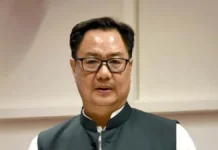
Parliament Session 2026 has entered a critical phase after the government agreed to debate student protests. On Monday, Parliamentary Affairs Minister Kiren Rijiju announced the government’s offer. He said Home Minister Amit Shah would reply to the debate in Parliament.
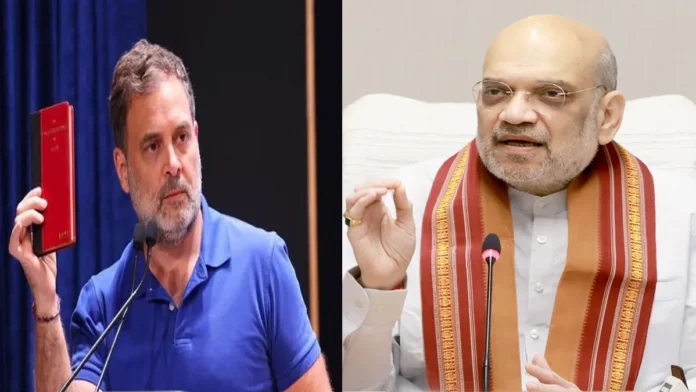
The announcement addresses a key demand from Rahul Gandhi, the Lok Sabha’s Leader of the Opposition. However, it may not immediately end the confrontation between the government and opposition parties.
Government Agrees to Full Debate on Student Protests
Rijiju said Gandhi had sought a statement from Shah about the student protests and related concerns. He added that Shah would do more than issue a brief statement.
Instead, the home minister would respond to the complete debate and address the points raised. A BJP post carrying Rijiju’s remarks confirmed the government’s willingness to hold that discussion.
That assurance gives lawmakers an opportunity to examine the issue directly inside the House. Moreover, it places Shah at the center of the government’s formal response.
Until now, repeated disruptions had kept the political confrontation at the forefront of parliamentary proceedings. The government’s announcement now creates a possible route toward a structured discussion.
Kiren Rijiju Sets a Condition for the Opposition
However, Rijiju attached a clear condition to the offer. He asked opposition lawmakers to participate peacefully and hear Shah’s response without interrupting the proceedings.
The minister also urged Congress members not to leave during the reply. Therefore, the government has linked the proposed discussion with assurances about parliamentary order.
The opposition’s formal response to that condition will influence the immediate path forward. Both sides must cooperate before the House can complete a detailed debate.
Rahul Gandhi Had Demanded Amit Shah’s Response
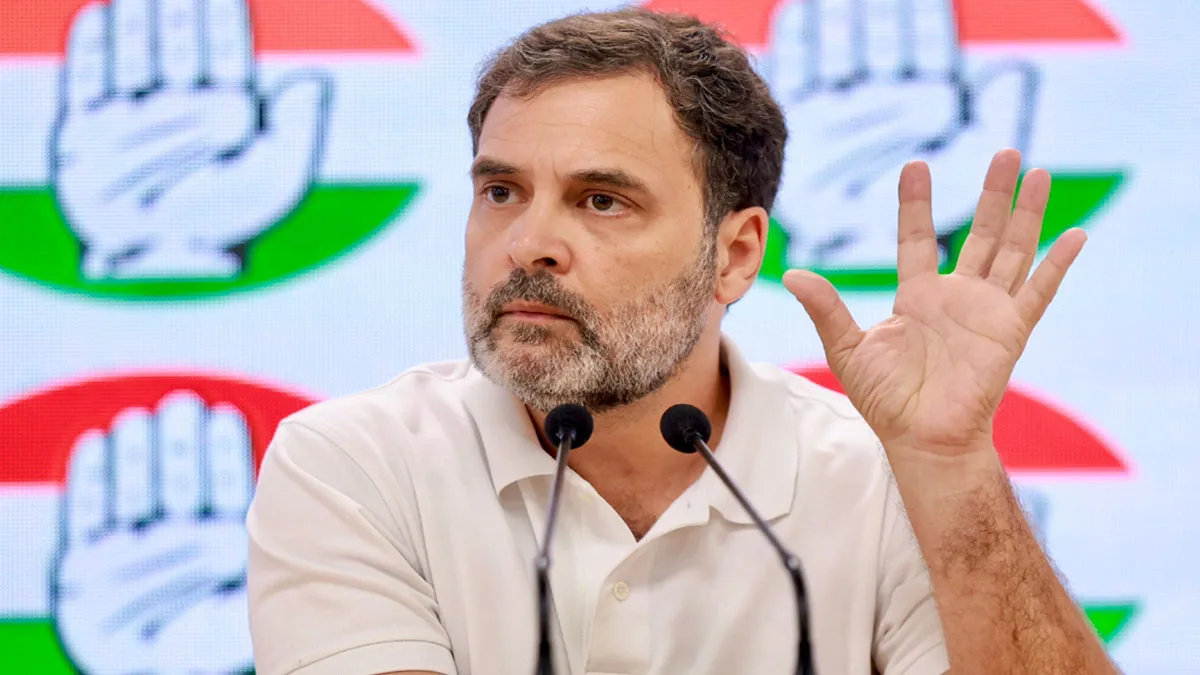
Gandhi has consistently argued that Shah should answer Parliament about the protests and the issues surrounding them. As opposition leader, he has pressed the government for direct accountability inside the House.
Gandhi’s public post also demanded accountability and questioned Shah’s absence from Parliament.
Consequently, Rijiju’s declaration represents a significant response to that demand. Still, the announcement does not confirm when Shah will speak.
It also does not specify the debate’s duration or detailed scope. Those procedural decisions remain important because lawmakers may seek answers on several connected concerns.
How a Full Parliamentary Debate Could Proceed
During a full discussion, members can raise questions, cite incidents, and challenge the government’s account. Shah would then have an opportunity to respond point by point.
That format differs from a standalone statement, which may limit immediate participation. Therefore, a debate could give both sides more space to establish their positions.
Yet the format also requires cooperation from the chair and participating parties. Without that cooperation, slogans and adjournments could again displace substantive questions.
The announcement should not be described as a complete settlement. It confirms the government’s willingness to debate, but it does not establish a final schedule.
Likewise, it does not show that the opposition has accepted every condition. Calling it a breakthrough would therefore be premature.
However, it remains the clearest opening for discussion since Gandhi intensified his demand.
Why the Amit Shah Debate Matters
The dispute has grown beyond a single exchange between Gandhi and Rijiju. It now concerns Parliament’s ability to discuss a sensitive national issue through an orderly debate.
Meanwhile, every disruption reduces the available time for scheduled legislative business. A completed discussion could place the competing claims and responses on the parliamentary record.
Nevertheless, a government offer alone cannot guarantee agreement across the House. Both sides must still settle the rules, timing, and scope of the exchange.
The government can present the offer as evidence that it remains willing to answer opposition questions. Conversely, Congress can continue demanding a precise response to the concerns raised by Gandhi.
This distinction could shape the next phase of the standoff.
Political Attention Shifts Toward Amit Shah’s Reply
The issue is no longer whether Shah may speak. Instead, attention has shifted toward his response and whether the debate proceeds without disruption.
Notably, any reply will face close scrutiny from lawmakers and the public. Clear answers could move the discussion from slogans toward substantive parliamentary examination.
Public attention will center on three practical questions. First, lawmakers will watch whether the House lists a dedicated debate.
Second, they will assess whether Shah answers the specific concerns behind Gandhi’s demand. Finally, they will see whether both sides allow the exchange to finish.
Each question will influence whether Parliament returns to regular business.
What Happens Next in Parliament Session 2026?
House managers must now determine whether they can schedule the debate during the remaining session. Opposition parties must also decide whether the government’s terms adequately meet their demands.
At the same time, Shah’s response will define the government’s official position on the controversy.
However, no final resolution has yet emerged from Rijiju’s announcement. For now, the offer has changed the political equation without ending the dispute.
Parliament Session 2026 may therefore enter a decisive stretch. The government has committed Shah to an answer, while the opposition must decide its next step.
Ultimately, the House’s conduct will show whether this opening produces debate or further disruption.