ISLAMABAD, Pakistan — August 7, 2026
The Pakistan food affordability crisis has reached a critical point, with nearly 63 percent of the country’s population — roughly 161 million people — unable to afford even a minimum standard of healthy, nutritious food, according to a new report.
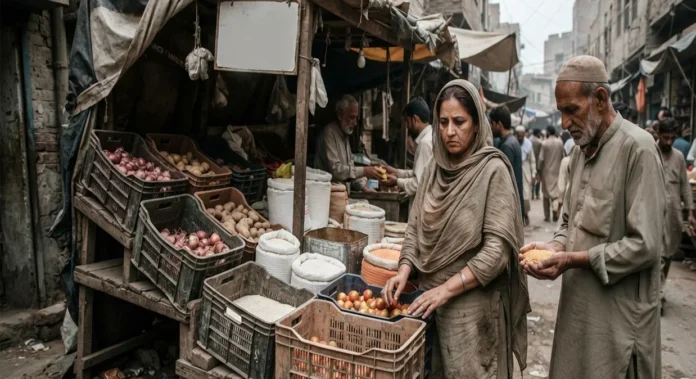
The findings, published by The News International, show that after covering essential non-food expenses such as housing, transportation, and utilities like electricity and water, most Pakistani households are left with insufficient income to purchase staples including grains, pulses, milk, eggs, fruits, and vegetables.
The report states that nearly two-thirds of Pakistan’s population was unable to afford a minimum healthy diet in 2025. Notably, this affordability gap persists despite Pakistan having some of the lowest prices for nutritious food in South Asia, underscoring that the crisis stems from weak purchasing power rather than food costs alone. Among countries in the region, Pakistan ranks as the worst performer in terms of access to healthy food.
Global Hunger Levels Improve, But Pakistan Lags Behind
On a global scale, the report notes some improvement in hunger levels. In 2025, an estimated 7.8 percent of the world’s population was affected by hunger, down from 8.1 percent in 2024 and 8.6 percent in 2022.
However, Pakistan’s situation tells a different story. While food inflation has eased from its peak levels recorded in 2023, affordability remains a major challenge for millions of households. Economic analysts note that although the pace of inflation has slowed, the sharp erosion of purchasing power caused by earlier price surges has yet to be reversed.
Real Incomes Fall, Poverty Rate Climbs Sharply
According to the report, inflation-adjusted real household income in Pakistan dropped by approximately 13 percent. Meanwhile, the poverty rate rose sharply from 21.9 percent to 28.9 percent, pushing an estimated 25 million additional people below the poverty line.
Consumption Patterns Shift as Families Cut Back
The impact of this affordability crisis is clearly visible in household consumption patterns. Between the two most recent national surveys, consumption declined for 13 out of 14 major food categories tracked in the study.
Per capita monthly rice consumption fell by about 19 percent, while pulses dropped by 26 percent and milk consumption declined by 10 percent. Combined consumption of mutton, beef, and chicken fell by approximately 18 percent, reflecting a broader retreat from protein-rich foods amid rising economic pressure.
The findings paint a troubling picture of food security in Pakistan, with millions of families forced to reduce nutritional intake even as global hunger trends show gradual improvement.