
NEW DELHI, India | August 22, 2026
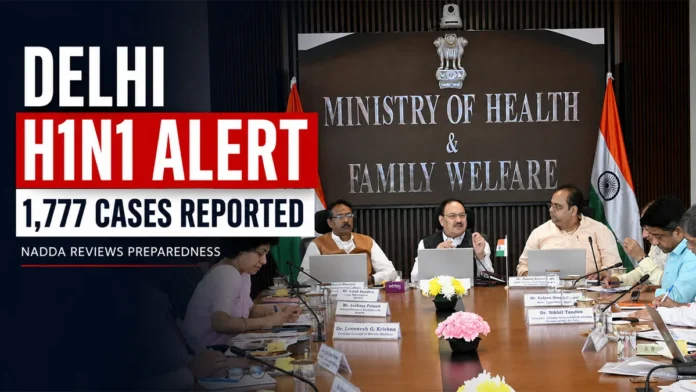
Delhi H1N1 cases have climbed to 1,777 this year, prompting the central and Delhi governments to intensify surveillance and review hospital preparedness as seasonal influenza infections rise across the national capital.
Delhi has recorded 2,392 Influenza-A cases in 2026 so far, including 1,777 confirmed H1N1 infections, making H1N1 the dominant influenza strain currently being detected in the city.
Union Health Minister JP Nadda has reviewed the situation with particular focus on Delhi, assessing influenza surveillance, laboratory testing, hospital preparedness and trends in influenza-like illness and severe acute respiratory infections.
Health authorities say hospitals have adequate beds, doctors, medicines and essential medical equipment and have urged residents not to panic.
At the same time, officials are calling for vigilance, early diagnosis and prompt medical attention when respiratory symptoms become persistent or severe.
H1N1 Emerges as Dominant Flu Strain in Delhi
Seasonal influenza activity has increased in recent weeks, with H1N1 accounting for a substantial share of confirmed Influenza-A infections.
H1N1 is a strain of influenza A that became widely known as “swine flu” during the 2009 pandemic.
The virus has since become part of seasonal influenza circulation.
Most otherwise healthy people who develop seasonal influenza recover with appropriate rest and supportive care, but complications can occur, particularly among people considered medically vulnerable.
That is why health authorities are focusing on early detection and clinical assessment rather than encouraging people to self-medicate.
JP Nadda Reviews Delhi Preparedness
Nadda reviewed the national surveillance and epidemiological situation, with particular attention to the national capital.
The review covered:
- Influenza-like illness trends
- Severe acute respiratory infection trends
- Laboratory surveillance and testing
- Hospital preparedness
- Early detection
- Clinical management
- Availability of healthcare facilities
- Public awareness and prevention
The Health Ministry has emphasized continuous monitoring and coordination among states, hospitals, laboratories and other healthcare stakeholders.
Officials have also stressed respiratory hygiene and hand hygiene as basic precautions.
Delhi Says Hospitals Have Adequate Capacity
Delhi Health Minister Pankaj Kumar Singh has said healthcare facilities are prepared to manage the current situation.
According to the government, there is no shortage of hospital beds, doctors, medicines or essential medical equipment.
Hospitals and district health authorities have also been instructed to strengthen screening, reporting and monitoring.
Influenza surveillance is being carried out through the Integrated Disease Surveillance Programme.
The system tracks influenza-like illness, severe acute respiratory infections and laboratory-confirmed influenza cases to identify changes in transmission patterns.
What Are the Symptoms of H1N1?
H1N1 symptoms can resemble those of other seasonal influenza infections.
Common symptoms may include:
- Fever
- Cough
- Sore throat
- Runny or blocked nose
- Body aches
- Headache
- Fatigue
- Chills
Some patients can also experience gastrointestinal symptoms.
Because flu symptoms can overlap with other respiratory illnesses, a person’s symptoms alone may not establish whether they have H1N1.
Medical evaluation becomes particularly important when illness is severe, persistent or occurs in someone at greater risk of complications.
Warning Signs That Need Medical Attention
Health authorities advise people to seek medical advice promptly if respiratory symptoms become persistent or severe.
Warning signs can include:
- Difficulty breathing or shortness of breath
- Chest pain
- Persistent high fever
- Extreme drowsiness
- Significant weakness
- Bluish discoloration of the lips or nails
- Blood in sputum
- Worsening of an existing chronic medical condition
Children showing severe symptoms such as difficulty breathing, inability to feed normally, persistent high fever, unusual drowsiness or convulsions should also be assessed promptly by a healthcare professional.
People should avoid taking antiviral medicines without appropriate medical guidance.
Who Is at Higher Risk From H1N1?
While anyone can contract influenza, certain groups may face a greater risk of serious illness or complications.
These include:
Pregnant women: Pregnancy can increase the risk of complications from influenza.
Older adults: People aged 65 and above may be more vulnerable to severe respiratory illness.
Young children: Children, particularly those with underlying medical problems, require closer monitoring.
People with chronic lung disease: Conditions such as asthma and other respiratory diseases can increase complication risk.
People with heart disease: Influenza may place additional stress on the cardiovascular system.
People with diabetes: Infection can make blood sugar management more difficult.
People with kidney or liver disease: Chronic conditions can increase vulnerability.
People with weakened immune systems: Cancer treatment, HIV/AIDS or certain medicines may reduce the body’s ability to fight infection.
Anyone in a higher-risk group who develops flu-like symptoms should consider contacting a healthcare professional early.
How Does H1N1 Spread?
H1N1 spreads primarily through respiratory droplets and particles released when an infected person coughs, sneezes, talks or breathes.
Transmission can occur more easily during close contact, particularly in poorly ventilated or crowded environments.
People can also contaminate their hands after coughing or sneezing and potentially spread respiratory viruses by touching surfaces or other people.
Simple hygiene measures can therefore reduce transmission.
How Delhi Residents Can Reduce Flu Risk
Health authorities recommend several everyday precautions.
Cover Coughs and Sneezes
Use a tissue or cover the mouth and nose appropriately while coughing or sneezing.
Dispose of used tissues safely.
Wash Hands Regularly
Frequent handwashing with soap and water can reduce transmission of respiratory infections.
Alcohol-based hand sanitizer can be useful when soap and water are unavailable.
Avoid Touching the Face
Avoid unnecessarily touching the eyes, nose and mouth, particularly with unwashed hands.
Avoid Close Contact When Sick
People experiencing influenza-like symptoms should limit unnecessary close contact with others, particularly elderly people, pregnant women and individuals with chronic illnesses.
Consider Masks in Crowded Settings
Authorities have encouraged appropriate respiratory precautions, including masks in crowded environments where infection risk may be higher.
Rest and Stay Hydrated
People with mild influenza-like symptoms should rest, maintain adequate fluid intake and monitor their condition.
If symptoms worsen, medical advice should be sought.
Do Not Self-Medicate With Antivirals
One important recommendation from public-health authorities is to avoid inappropriate self-medication.
Antiviral medicines used for influenza should be taken under medical supervision when prescribed.
Unnecessary or incorrect use of medicines can cause problems and may delay appropriate diagnosis and treatment.
Antibiotics also do not treat influenza viruses unless a doctor identifies a bacterial complication requiring them.
Seasonal Influenza, Not a Return of the 2009 Pandemic
The term “swine flu” can create unnecessary alarm.
H1N1 caused a global pandemic in 2009, but the virus subsequently became one of the influenza strains that circulate seasonally.
The current Delhi situation is being managed as seasonal influenza, with authorities monitoring whether case trends or clinical severity change.
That distinction is important.
A rise in seasonal H1N1 infections does not by itself mean a new pandemic has begun.
Delhi Also Monitoring Dengue and Other Seasonal Diseases
The government’s preparedness review comes during a period when Delhi is simultaneously monitoring mosquito-borne illnesses.
Delhi has recorded 246 dengue cases, 80 malaria cases and 19 chikungunya cases so far this year, with authorities reporting no deaths linked to those three diseases in the figures reviewed.
Civic agencies have intensified mosquito-control activities, including household inspections and spraying.
The simultaneous circulation of respiratory and vector-borne diseases adds pressure to seasonal disease surveillance.
Why Early Detection Matters
Influenza often begins with symptoms that people may initially dismiss as a common cold.
For many patients, illness remains mild.
However, infection can progress more seriously in vulnerable people.
Early medical assessment allows doctors to determine whether a person requires testing, antiviral treatment, hospital observation or only home-based supportive care.
Health authorities are therefore discouraging both panic and complacency.
Should Everyone Get Tested for H1N1?
Not every person with mild flu-like symptoms automatically requires an H1N1 test.
Testing decisions depend on symptoms, disease severity, risk factors and medical assessment.
Patients with severe respiratory illness or warning signs may require closer evaluation.
People should follow their doctor’s advice rather than seeking unnecessary tests or medicines solely because H1N1 cases are increasing.
Delhi H1N1 Situation Under Continuous Monitoring
The central government says the influenza situation is being monitored continuously.
Coordination is continuing with states and union territories, laboratories, hospitals and public-health agencies to strengthen surveillance and ensure timely clinical management.
The immediate objective is to identify changes in infection patterns early while ensuring hospitals remain prepared for patients who develop serious disease.
For Delhi residents, the key message is straightforward: maintain respiratory and hand hygiene, avoid spreading infection when sick, protect vulnerable family members and seek medical care promptly when warning signs appear.
With Delhi H1N1 cases reaching 1,777, vigilance is warranted — but health authorities say the city’s medical system remains equipped to manage the current seasonal influenza situation.
Medical Disclaimer: This article provides general public-health information and does not replace medical diagnosis or treatment. Anyone with severe or worsening symptoms should seek advice from a qualified healthcare professional.











Comments are closed.