
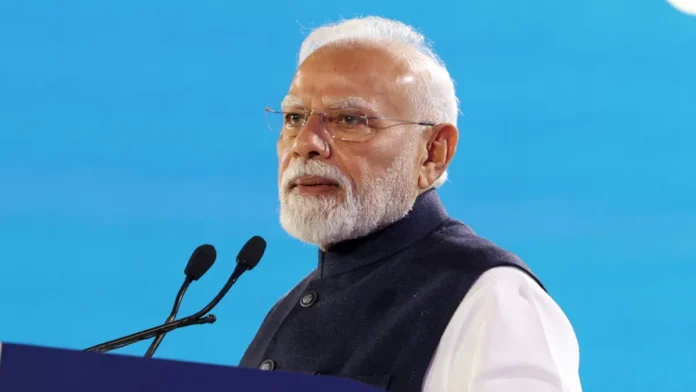
New Delhi | November 2, 2026 : Prime Minister Narendra Modi has shared a Sanskrit verse from the Mahabharata, highlighting the importance of listening to wise counsel, carefully considering its consequences and translating sound advice into decisive action. The message underlines how thoughtful decisions and commitment to one’s responsibilities can earn lasting respect and contribute to the progress of the nation.
The verse shared by PM Modi is from Vidura Niti, a collection of ethical and practical teachings delivered by Mahatma Vidura to King Dhritarashtra in the Mahabharata. It offers a timeless lesson on leadership, judgement and the importance of acting on wisdom rather than merely listening to it.
The Sanskrit verse reads:
“सुव्याहृतानि धीराणां फलतः परिचिन्त्य यः।
अध्यवस्यति कार्येषु चिरं यशसि तिष्ठति॥”
Its central message is that a person who carefully reflects on the consequences of the well-considered words of wise and thoughtful people, and then remains determined in carrying out the right course of action, earns lasting fame and respect.
What does the Sanskrit shloka mean?
The verse teaches that wisdom is valuable only when it influences decisions and actions. Listening to experienced and knowledgeable people is an important first step, but genuine success comes from understanding their advice, evaluating its possible outcomes and acting on it with determination.
In simple terms, a person should not accept advice without thought, nor should they dismiss the experience of others. Instead, they should examine the likely consequences, understand what is beneficial and take responsibility for their decisions.
The teaching also draws a distinction between temporary success and lasting recognition. Actions taken in haste may sometimes produce immediate gains, but decisions based on careful thought, sound judgement and sustained effort are more likely to create enduring respect.
Vidura’s advice to King Dhritarashtra
The verse appears in the Udyoga Parva of the Mahabharata, in the section known as Vidura Niti. It forms part of the dialogue between Mahatma Vidura and King Dhritarashtra, who was troubled by the growing conflict between the Kauravas and the Pandavas.
As tensions increased before the Kurukshetra war, Vidura repeatedly advised Dhritarashtra to act with fairness, wisdom and a sense of responsibility. The dispute over the Pandavas’ rights and the conduct of Duryodhana had placed the Kuru family and kingdom in a difficult position.
Vidura urged the king to consider the consequences of injustice and to take decisions that could prevent further damage to the family and the kingdom. His advice was not limited to personal morality; it also addressed the responsibilities of a ruler whose decisions affected the lives and future of many people.
The verse on thoughtful counsel appears in this larger discussion. It reinforces Vidura’s argument that a wise person must consider the results of good advice and demonstrate the courage to act accordingly.
Why the teaching remains relevant today
Although the verse comes from an ancient epic, its message remains relevant to leadership, public administration, professional life and personal decision-making.
In government and public life, decisions can have consequences that extend far beyond the individual making them. Leaders must consider expert advice, assess long-term effects and act in the broader public interest. The same principle applies to institutions, businesses and individuals.
The shloka also warns against confusing enthusiasm with sound judgement. Starting a task without examining its possible outcomes can lead to avoidable mistakes. Careful planning, consultation and a clear sense of responsibility help turn intentions into meaningful results.
Another important lesson is that knowledge alone does not guarantee success. A person may listen to excellent advice and understand its meaning, but if that understanding is never translated into action, its practical value remains limited.
From wise advice to meaningful action
Vidura’s teaching places three responsibilities before an individual: listen to people with wisdom and experience, think carefully about the likely consequences of their advice, and act with determination once the right course becomes clear.
It is this combination of reflection and action that creates lasting achievement. The verse suggests that recognition should not be pursued through momentary popularity or impulsive decisions. It should emerge from conduct that stands the test of time.
By sharing this Sanskrit verse, PM Modi has brought attention to a message from the Mahabharata that connects personal conduct with wider social responsibility. Its enduring lesson is straightforward: wisdom must go beyond words. When thoughtful counsel is understood, carefully evaluated and put into practice, it can guide individuals and leaders towards responsible action, lasting respect and the larger good of society.