TEHRAN, Iran | October 1, 2026 — The Iran peace proposal has received an official American response, according to Tehran, bringing the diplomatic process to a new stage without establishing that a deal is close. Foreign Minister Abbas Araghchi says Iran remains prepared for renewed fighting while keeping negotiations open. For households and businesses affected by energy costs, the stakes extend beyond diplomatic statements: any agreement involving the Strait of Hormuz could influence shipping conditions and fuel supplies. However, Iranian officials have not disclosed Washington’s reply or announced an agreement.
INVC NEWS | BEYOND THE HEADLINE
What happened. Why it matters. What comes next.
THE 60-SECOND BRIEF
- Iran said on September 30 that it had received Washington’s official response.
- Government spokesperson Fatemeh Mohajerani said Araghchi presented the response to President Masoud Pezeshkian.
- Officials did not disclose its contents or confirm acceptance of Iran’s terms.
- Araghchi’s readiness-for-war remarks came in a September 27 interview.
- The proposal links reopening Hormuz to conditions involving hostilities, sanctions and the U.S. blockade.
The New Development: A Response, With Its Terms Still Private
Mohajerani told Iran’s state-run IRNA news agency that Araghchi presented the American response at Wednesday’s Cabinet meeting.
That provides a more recent development than Tehran’s earlier statements that it was waiting for a formal reply through mediators.
Nevertheless, receiving a response does not establish agreement. The publicly available account leaves open whether Washington rejected specific provisions, suggested changes or offered conditions of its own.
President Donald Trump had already publicly rejected Iran’s proposal. Tehran had distinguished that public reaction from the official communication it expected through diplomatic channels.
Araghchi’s Warning Came Before the Latest Update
Speaking on NBC’s Meet the Press on September 27, Araghchi said Iran remained ready for diplomacy while preparing to respond to renewed military attacks.
His position combined two messages: Tehran would continue pursuing negotiations, but it would also resist further attacks.
The timing matters. Those comments preceded Iran’s September 30 announcement about the American response. They should therefore not be presented as Araghchi’s reaction to the undisclosed reply.
His statements describe Iran’s declared position. They do not independently establish its military capabilities or predict whether fighting will intensify.
What Iran Wants Before Reopening Hormuz
Araghchi described a proposed sequence under which Washington would first take steps sought by Tehran, including removing its blockade, releasing frozen Iranian assets and allowing Iranian oil sales.
Iran would then reopen the strait and return to negotiations over a final agreement.
In his interview, Araghchi described reopening on the sixth day and negotiations on the seventh. These were proposed stages, rather than an agreed timetable or a countdown already underway.
AFP reporting also identifies a broader Iranian demand for a regional ceasefire, including in Lebanon.
Why the Order of Actions Matters
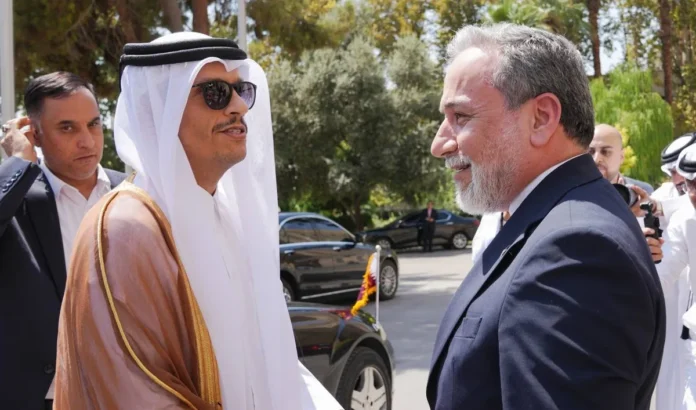
Reuters reported that Qatari mediators briefed Araghchi on the American response during his September 29 stop in Doha.
An official familiar with the discussions, speaking anonymously, told Reuters that the parties still disagreed over the order of the required steps.
That points to a practical obstacle: each side needs confidence that concessions will produce reciprocal action.
The next meaningful development would be an agreed sequence, with clear conditions and evidence that both sides intend to implement it.
Why Readers Should Watch Shipping, Not Just Statements
Energy data illustrate the significance of the Hormuz dispute.
U.S. Energy Information Administration estimates put oil flows through the strait at 21.6 million barrels a day in the fourth quarter of 2025, compared with 4.9 million barrels a day in the second quarter of 2026.
Those are historical quarterly estimates, not today’s shipping volumes. Still, they show the scale of the disruption.
The implication for consumers is that restoring dependable passage could help ease supply constraints. However, a diplomatic announcement alone cannot establish that vessels will immediately return or fuel prices will fall.
Shipping security, implementation and actual cargo movements would determine the practical effect.
What Remains Unresolved
The published reporting does not establish the contents of Washington’s formal reply, an agreed implementation date or a final settlement.
Araghchi has also said Iran proposed leaving nuclear questions for later negotiations while pursuing initial confidence-building steps. That represents Tehran’s preferred approach, rather than a confirmed American commitment.
These gaps explain why the latest exchange deserves attention without supporting a declaration that the war is ending.
What Happens Next
Watch for publication of substantive terms, confirmation from Washington and Tehran, and an agreed schedule for reciprocal action.
Until then, Iran’s announcement shows that an official response has reached its leadership. Whether that exchange produces safer shipping and reduced conflict remains the next test.