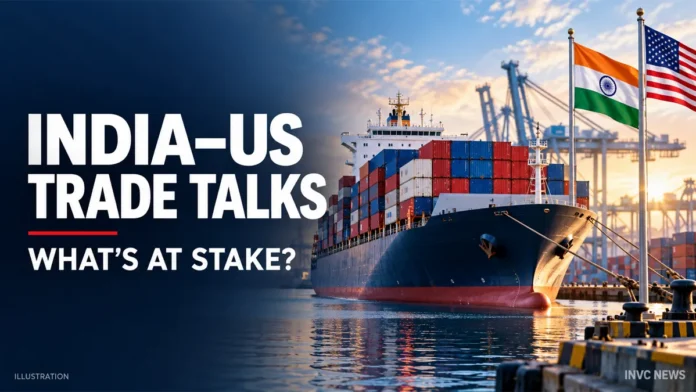
NEW DELHI, India | September 29, 2026 — The India–US trade deal enters another round of ministerial engagement as Commerce and Industry Minister Piyush Goyal prepares for a US visit scheduled from September 29 to October 5. He plans to discuss an interim agreement with US Trade Representative Jamieson Greer while attending the G20 Trade Ministers’ Meeting in Wisconsin. For Indian businesses, the practical question is whether those discussions produce clearer market access, predictable costs and an implementation timetable.
INVC NEWS | BEYOND THE HEADLINE
What happened. Why it matters. What comes next.
THE 60-SECOND BRIEF
- Goyal’s US itinerary runs from September 29 to October 5.
- Milwaukee hosts the G20 trade meeting on September 30 and October 1.
- Bilateral discussions will seek progress toward an interim trade agreement.
- Business engagements will promote investment and partnerships with Indian companies.
- The announced visit does not itself change tariffs or trading rules.
What Happened
The Commerce and Industry Ministry announced the visit on Monday. Alongside the G20 gathering, Goyal plans to engage with his American counterpart on the proposed bilateral trade agreement.
The negotiations follow the framework outlined in the countries’ February 7 joint statement. An interim arrangement would represent one component of the broader trade effort.
However, the available announcement provides no confirmed signing date. Businesses should therefore distinguish the negotiating agenda from an agreed outcome.
Why It Matters for Exporters
Trade negotiations can affect the price and predictability of doing business overseas. For an exporter, the final details matter more than a broad statement that discussions have progressed.
A meaningful assessment would examine which products qualify for concessions, when changes begin and what documentation companies must provide. Businesses would also need to understand any exclusions or transition periods.
These are the practical questions to watch as talks develop. They are not benefits that the announced visit has already secured.
MSMEs and Investment Feature in the Agenda
The ministry’s stated objectives include expanding opportunities for smaller businesses, startups, women entrepreneurs, farmers and fishermen through meetings with trade counterparts.
Separately, Goyal’s itinerary includes engagements with American business leaders in Milwaukee and Chicago. The planned discussions span manufacturing, consumer goods, agricultural businesses, retail and technology.
Such meetings can introduce potential partners and investment opportunities. Nevertheless, a business roundtable does not establish a signed investment commitment or a confirmed employment figure.
What India Will Emphasize at the G20
India plans to support an open and inclusive trading system centered on the World Trade Organization. Its stated approach also emphasizes room for developing countries to pursue their economic priorities.
The G20 discussions and the India–US negotiations serve different purposes. The multilateral gathering addresses wider trade issues, while bilateral meetings focus on the relationship between the two countries.
Consequently, a G20 statement should not automatically count as an India–US trade agreement.
Dates That Matter
| Date | Scheduled development |
|---|---|
| September 29–October 5 | Goyal’s US visit |
| September 30–October 1 | G20 Trade Ministers’ Meeting in Milwaukee |
| During the visit | Planned bilateral and business engagements |
| Not announced | A confirmed signing or implementation date |
What Happens Next
The next useful update will come from official statements after the ministerial discussions. Readers should look for specific agreed provisions, unresolved issues and any published implementation schedule.
Until then, companies should assess transactions under the rules that currently apply. Anticipated concessions should not enter contracts or pricing decisions as confirmed benefits.
INVC NEWS Bottom Line
Goyal’s visit creates another opportunity to advance the trade negotiations. Its value for exporters and smaller businesses will depend on the terms the two sides actually agree—and when those terms take effect.