New Delhi | August 6, 2026
The Central Government is expected to introduce the Foreign Contribution (Regulation) Amendment Bill (FCRA), 2026 in the Lok Sabha on Thursday, aiming to improve transparency in the use of foreign donations by non-governmental organizations (NGOs), close legal loopholes, and strengthen oversight of assets created through foreign funding.
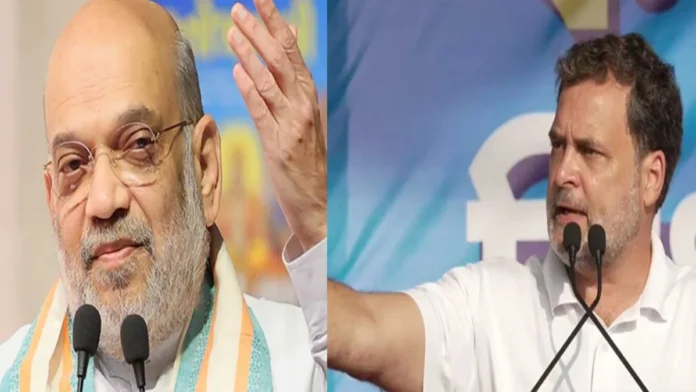
The bill was initially introduced during the Budget Session in March 2026, but could not be passed before the session concluded. According to sources, Union Home Minister Amit Shah is expected to address the House when the legislation is taken up for discussion.
Why Is the FCRA Amendment Bill Important?
The proposed legislation seeks to modernize India’s foreign funding regulations by introducing stricter compliance measures for NGOs receiving overseas contributions.
Key Objectives of the Bill
- Enhance transparency in the utilization of foreign donations.
- Address legal and procedural gaps in the existing FCRA framework.
- Improve monitoring and management of assets created using foreign contributions.
- Strengthen accountability and regulatory oversight of organizations receiving foreign funds.
The government maintains that the amendments are intended to ensure that foreign contributions are used in accordance with legal and national interests while promoting greater financial transparency.
Rahul Gandhi’s Conditions for Ending Parliament Stalemate
Meanwhile, efforts to break the ongoing deadlock in Parliament continued on Wednesday as Parliamentary Affairs Minister Kiren Rijiju met Leader of the Opposition Rahul Gandhi in his Parliament office.
The meeting, which reportedly lasted around 50 minutes, was also attended by Priyanka Gandhi Vadra.
According to sources, Rahul Gandhi made it clear that the Opposition would cooperate in the smooth functioning of Parliament only if two key demands were addressed:
- A statement by Home Minister Amit Shah regarding the police action against students protesting over the alleged NEET paper leak.
- A discussion in Parliament on the alleged theft of donations from the Ram Temple in Ayodhya.
The Opposition has also questioned Amit Shah’s absence from recent parliamentary proceedings.
Government Seeks Consensus on Women’s Reservation and Delimitation
During the meeting, Kiren Rijiju also sought Rahul Gandhi’s views on the proposed 131st Constitutional Amendment Bill, which relates to:
- Women’s Reservation
- Delimitation of Lok Sabha and State Assembly constituencies
Rahul Gandhi reportedly responded that he would consult alliance partners before communicating the Opposition’s position.
Sources said there was no discussion regarding extending the Monsoon Session or convening a special session during the meeting.
Government Rules Out Extension of Parliament Session
After meeting Rahul Gandhi, Kiren Rijiju separately briefed Lok Sabha Speaker Om Birla and Home Minister Amit Shah.
Later, Rijiju dismissed speculation that the government planned to extend the current Monsoon Session or convene a special Parliament session.
“There is no proposal to extend the current session or call a special session,” he said.
Reports Had Suggested a Special Session
Earlier media reports, citing government sources, claimed that the Centre was considering:
- Extending legislative work beyond August 13.
- Holding a three-day special session beginning August 17.
- Introducing and passing the Constitutional Amendment Bill during that period.
However, the government has not officially confirmed these reports.
According to sources, the government is also working to build political consensus before introducing the proposed constitutional amendment. Senior Union Ministers including Pralhad Joshi, Piyush Goyal, Arjun Ram Meghwal, and L. Murugan are expected to hold consultations with opposition parties, including the Samajwadi Party.
Why Is the Delimitation Debate Back?
The issue has resurfaced because the constitutional freeze on increasing the number of Lok Sabha and Assembly seats is scheduled to expire this year.
Background
- 1973: Constitutional amendment froze the number of parliamentary and assembly seats.
- 2002: The 84th Constitutional Amendment reviewed the issue but postponed any increase until 2026.
- 2026: The freeze is set to expire.
The government now faces two options:
- Introduce fresh legislation to continue the freeze on seat allocation.
- Remove the restriction and allow delimitation and seat expansion.
Political observers note that continuing the freeze could delay the implementation of the Women’s Reservation law, while lifting it would require a politically sensitive delimitation exercise.
Key Highlights
- Government likely to table the FCRA Amendment Bill 2026 in Lok Sabha.
- Bill aims to improve transparency in the use of foreign funding by NGOs.
- Amit Shah is expected to speak during the debate on the legislation.
- Rahul Gandhi demands Amit Shah’s statement on student protests and discussion on the Ram Temple donation controversy before ending Parliament’s deadlock.
- Government denies reports of extending the Monsoon Session or convening a special session.
- Delimitation and Women’s Reservation remain key political issues under discussion.