TEHRAN, Iran | September 27, 2026 —
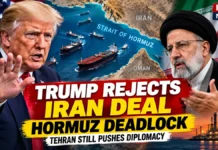
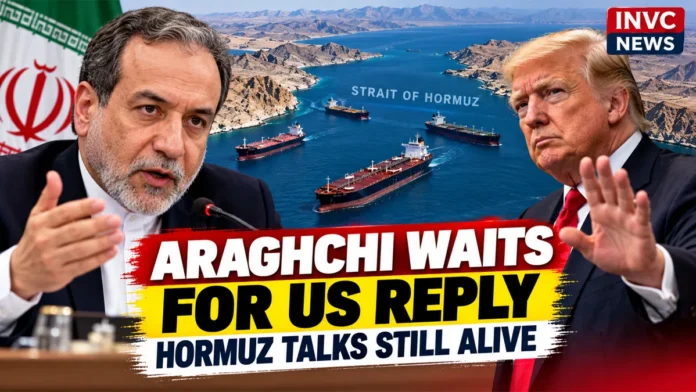
Iranian Foreign Minister Abbas Araghchi says Tehran is still waiting for Washington’s formal response through mediators to its seven-day proposal aimed at reopening the Strait of Hormuz and reducing regional tensions, even after President Donald Trump publicly said he had rejected the plan.
Araghchi’s message is clear: Iran has seen Trump’s public reaction, but Tehran does not consider that the final diplomatic answer.
According to the Iranian foreign minister, Iran will decide its next move only after mediators communicate Washington’s official position.
That leaves the diplomatic channel open, at least for now.
THE 60-SECOND BRIEF
What Araghchi says: Iran is still waiting for a formal U.S. response.
Trump’s position: President Donald Trump has publicly rejected the Iranian proposal.
Iran’s interpretation: Trump’s public remarks are not being treated as the formal diplomatic response.
Iran’s proposal: A seven-day roadmap to reduce hostilities, reopen the Strait of Hormuz and restart negotiations.
Mediators: Regional mediators are carrying messages between Tehran and Washington.
Araghchi’s bottom line: Iran believes negotiations remain the only realistic way to break the deadlock.
Araghchi: We Have Seen Trump’s Reaction, but We Are Still Waiting
Araghchi has drawn a clear distinction between Trump’s public comments and Washington’s official response through the diplomatic channel.
Iran has taken note of what the U.S. president said publicly.
However, Tehran says it has not yet received Washington’s definitive answer through the mediators handling the negotiations.
Araghchi says Iran will wait for that formal message before deciding what comes next.
That position effectively means Tehran is refusing to declare the proposal dead solely on the basis of Trump’s public remarks.
Iran Says Only a Negotiated Solution Can Break the Deadlock
Araghchi continues to argue that diplomacy remains the only workable route out of the confrontation.
Iran’s position is that military pressure, blockades and continued regional fighting cannot produce a durable settlement.
Tehran wants the current crisis addressed through reciprocal steps.
From Araghchi’s perspective, both sides need to move away from public threats and return to a structured negotiating process.
What Exactly Has Iran Offered?
Iran has proposed a seven-day roadmap designed to produce rapid de-escalation.
Under the proposal, hostilities would be reduced or halted across several regional fronts.
Washington would take steps involving the blockade of Iranian ports, oil sanctions and frozen Iranian assets.
Iran would then reopen the Strait of Hormuz.
Nuclear negotiations between Iran and the United States would also resume.
Tehran presented the roadmap as a phased process rather than a final comprehensive peace agreement.
Hormuz Could Reopen Within Seven Days, Iran Says
One of the most important elements of Araghchi’s proposal is the Strait of Hormuz.
Iran says it could reopen the strategic waterway within the seven-day framework if the United States fulfills its side of the proposed arrangement.
The strait is one of the world’s most important energy corridors.
A substantial share of global oil and liquefied natural gas shipments passes through it.
Iran therefore sees Hormuz as both an economic issue and one of its strongest negotiating levers.
Araghchi Wants Reciprocal Steps, Not a One-Sided Deal
Iran’s approach is based on reciprocity.
Tehran does not want to reopen the strait or make major concessions first while U.S. military and economic pressure remains unchanged.
Araghchi’s roadmap instead calls for both sides to take coordinated steps within a short timetable.
Iran wants Washington to ease pressure at the same time that Tehran moves toward reopening Hormuz and restarting negotiations.
That sequencing remains one of the biggest differences between the two sides.
Trump Says No, but Araghchi Is Waiting for the Diplomatic Channel
President Trump has publicly said he rejected Iran’s proposal.
He has argued that Tehran wants a deal because it is under pressure and has indicated that the terms offered by Iran are not acceptable to Washington.
Araghchi, however, is not treating that statement as the end of the process.
His position is that diplomatic proposals are transmitted and answered through mediators.
Until that formal response arrives, Tehran says it will continue to wait.
Why Mediators Matter So Much
Direct communication between Iran and the United States remains limited.
That makes regional mediators crucial.
Iran says its proposal was transmitted to Washington through intermediaries.
Qatar has played an important role in recent contacts, while other regional governments have also been involved in efforts to reduce tensions.
Araghchi’s latest statement therefore puts considerable importance on what those mediators bring back from Washington.
Iran’s Message to Washington: Choose Negotiations
Tehran’s broader message is that the United States now has a choice.
Iran says Washington can continue applying military and economic pressure, or it can return to negotiations.
Iranian officials argue that continued confrontation will create greater instability across the Middle East and keep pressure on international energy markets.
Araghchi is presenting his seven-day plan as a practical way to begin reversing that cycle.
Iran Wants Sanctions and Frozen Assets Addressed
The Iranian roadmap goes beyond maritime access.
Tehran also wants movement on economic restrictions.
Iran has sought the release of frozen assets and relief from restrictions on its oil exports.
These issues are central to Iran’s negotiating position because U.S. sanctions have severely restricted its access to international markets.
Washington, however, has historically demanded concessions on Iran’s nuclear and regional activities before offering major economic relief.
That fundamental disagreement remains unresolved.
Nuclear Talks Could Restart Immediately
Araghchi’s proposal also seeks a return to negotiations over Iran’s nuclear program.
Tehran argues that nuclear diplomacy cannot progress meaningfully while military pressure and economic restrictions continue.
The United States, meanwhile, wants guarantees that Iran will not obtain a nuclear weapon.
That means any wider agreement over Hormuz could become the gateway to another round of nuclear negotiations.
Araghchi’s Strategy Is to Keep Diplomacy Alive
The Iranian foreign minister’s latest comments suggest Tehran does not want Trump’s public rejection to close the negotiating window.
Rather than immediately responding with another escalation, Araghchi is waiting.
That is significant.
It indicates that Iran is still giving mediation a chance, even while the political rhetoric from Washington remains confrontational.
The Strait of Hormuz Gives Iran Major Leverage
Hormuz is central to Iran’s negotiating strategy because disruption there affects far more than the United States.
Gulf oil exporters, Asian energy importers, shipping companies and global financial markets all have a stake in keeping the waterway open.
A prolonged disruption can increase crude prices, tanker costs and insurance premiums.
Iran therefore knows that any movement on Hormuz will attract international attention and diplomatic pressure.
Regional Fighting Makes a Deal More Difficult
Araghchi’s proposal also touches conflicts beyond Iran itself.
Tehran wants broader de-escalation across the region.
That means any successful settlement may require coordination involving multiple governments and conflicts.
The wider the agreement becomes, the harder it will be to negotiate.
A narrower deal focused first on Hormuz may therefore emerge as the more achievable option.
Araghchi Is Leaving the Door Open
The most important takeaway from Araghchi’s latest statement is not that Iran has accepted Trump’s rejection.
It is almost the opposite.
Iran is saying the diplomatic process must follow its formal channel.
Until Washington’s official response arrives through mediators, Tehran does not consider the matter settled.
That leaves room for another proposal, counteroffer or modified agreement.
What Happens Next?
The next move now depends on the message mediators carry back to Tehran.
If Washington formally rejects the entire roadmap, Iran will have to decide whether to revise its proposal or increase pressure.
If the U.S. response challenges only parts of the plan, negotiations could continue.
Mediators could also try to separate the immediate Hormuz issue from the wider disputes over sanctions, regional conflicts and the nuclear program.
That may provide the fastest route toward limited de-escalation.
INVC NEWS Bottom Line
Abbas Araghchi is keeping Iran’s diplomatic option alive.
President Donald Trump has publicly rejected Tehran’s Hormuz proposal, but Araghchi says Iran is still waiting for Washington’s official response through mediators before making its next decision.
For Tehran, Trump’s public “no” is not yet the final diplomatic answer.
Iran continues to argue that negotiations remain the only realistic way to reopen the Strait of Hormuz, reduce regional fighting and break the current U.S.-Iran deadlock.