Washington, D.C. | July 26, 2026
Trump Iran Airstrikes
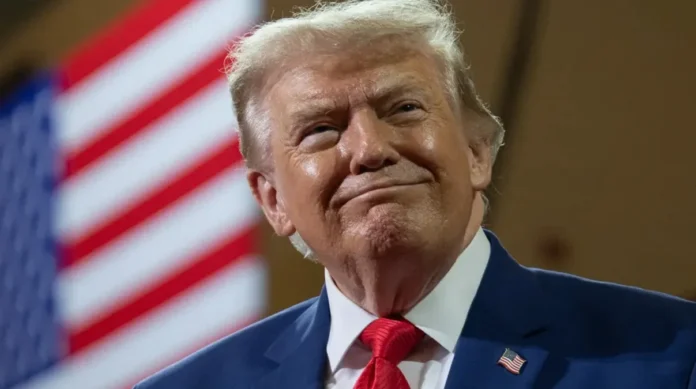
U.S. President Donald Trump has ordered the U.S. military to pause new airstrikes against Iran, marking a significant shift in Washington’s approach after nearly two weeks of reported military operations.
The decision comes as Oman steps up diplomatic efforts by sending a delegation to Tehran to discuss issues related to the Strait of Hormuz and explore a possible de-escalation framework. While the United States has paused new strikes for now, officials say military forces remain on standby should the security situation deteriorate.
Trump Prioritizes Diplomacy Over Immediate Military Action
According to officials familiar with the matter, U.S. military commanders had continued presenting operational strike plans to President Trump throughout the previous two weeks. However, on Friday, Trump reportedly declined to authorize another round of attacks.
Speaking to reporters at the White House, Trump said the United States possesses the capability to eliminate Iran’s military assets but believes diplomacy remains the preferred course.
“We are talking to the Iranians. I believe they are becoming more serious with each passing day. We are fully prepared, but negotiations are continuing,” Trump said.
Later in the evening, during the White House Correspondents’ Association dinner, Trump adopted a more cautious tone, saying he was not yet convinced Iran was ready for an agreement, but remained willing to consider any serious diplomatic proposal.
Oman Mediates Amid Strait of Hormuz Concerns
The pause in military action coincided with the arrival of an Omani delegation in Tehran for discussions aimed at reducing tensions surrounding the Strait of Hormuz, one of the world’s most strategically important energy shipping routes.
Reports suggest the talks have made progress, although no formal agreement has been announced. If negotiators reach a draft understanding, any final U.S. decision would ultimately rest with President Trump.
Military Readiness Remains in Place
Despite suspending new strikes, the Pentagon has not canceled contingency plans.
Officials said U.S. forces have been instructed to remain ready for rapid deployment if circumstances require renewed military action.
Additional troops, weapons systems, and logistical resources have reportedly been positioned across the Middle East to maintain operational readiness.
Israel Reportedly Adjusts Security Posture
According to reports, Israel had anticipated another major U.S. military operation and had elevated its defensive readiness in preparation for potential retaliation.
Israeli security officials were later informed that Washington had chosen not to authorize additional strikes at this stage.
Regional tensions around the Strait of Hormuz nevertheless remain high.
Defense Officials Raise Concerns Over Missile Stockpiles
Reports indicate that one factor influencing the pause was advice from senior U.S. defense officials regarding the availability of Patriot air-defense interceptor missiles.
Military planners reportedly warned that a prolonged regional conflict could significantly reduce interceptor inventories needed to protect:
- U.S. military personnel
- American bases in the Middle East
- Gulf allies
- Critical infrastructure
Officials also cited previous missile attacks in the region as evidence of the growing security challenges facing U.S. forces.
Future Strategy Still Under Review
According to reports, Chairman of the Joint Chiefs of Staff General Dan Caine advised the administration that while expanded military operations remain feasible, they could substantially reduce available defensive resources.
White House Communications Director Steven Cheung said President Trump continues to favor a diplomatic solution but emphasized that all options remain available if Iran threatens the Strait of Hormuz or U.S. partners in the region.
Meanwhile, the United States announced new sanctions targeting companies and individuals allegedly linked to Iranian businessman Babak Zanjani’s financial network.
Potential Military Options Remain Available
Officials said U.S. military planning continues to include a range of contingency options involving strategic infrastructure, transportation networks, and other facilities if diplomacy fails.
However, the administration has stressed that no final decision has been made regarding additional military operations.
Key Highlights
- President Donald Trump ordered a pause in new U.S. airstrikes against Iran.
- Oman has intensified diplomatic mediation efforts with Tehran.
- Trump said negotiations remain his preferred approach while emphasizing U.S. military readiness.
- U.S. forces remain on standby despite the operational pause.
- Reports indicate defense officials expressed concerns about interceptor missile stockpiles.
- Israel reportedly maintained heightened alert before learning additional U.S. strikes had been paused.
- The U.S. has imposed new sanctions targeting entities allegedly connected to Babak Zanjani’s financial network.