New Delhi , August 18, 2026 —
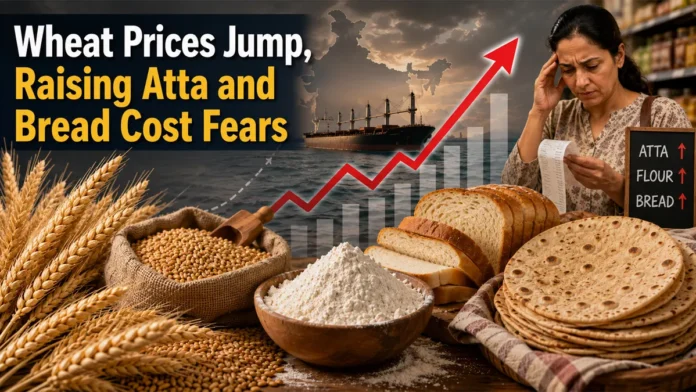
Wheat prices rise across major Indian markets as escalating uncertainty in the Black Sea region puts global grain supplies under fresh pressure, raising concerns that households could soon face higher prices for atta, roti, bread and other wheat-based foods.
The increase comes as international wheat prices strengthen alongside domestic mandi rates. Wheat in global markets is trading around $6.70 per bushel, described as its highest level since July 24, while prices in several major Indian wholesale markets have climbed by as much as 3.85% over the past month.
If the upward trend continues, the impact could eventually move beyond wholesale grain markets and reach supermarket shelves and household kitchens through higher flour, bread and other wheat-product prices.
Why Black Sea Tensions Matter for Wheat Prices
One of the biggest concerns affecting the wheat market is renewed tension around the Black Sea, a strategically important corridor for global agricultural exports.
Russia and Ukraine are major participants in the international grain trade, and disruption to shipping routes in and around the Black Sea can quickly influence expectations about wheat availability.
Concerns have intensified amid continuing Russia-Ukraine hostilities and uncertainty over maritime movements in the region. Any prolonged disruption to commercial shipping or grain exports could tighten international supply and push global prices higher.
Because wheat is traded globally, supply concerns in one major producing region can affect prices far beyond the countries directly involved in the conflict.
Wheat Prices Climb Across Major Indian Markets
The impact of the stronger market trend is also visible in India.
Between July 17 and August 17, 2026, wheat prices increased across several major trading centers.
| Market | July 17 Price | August 17 Price | Increase |
|---|---|---|---|
| Rajkot | ₹2,600/quintal | ₹2,700/quintal | 3.85% |
| Delhi | ₹2,782.50/quintal | ₹2,870/quintal | 3.14% |
| Kanpur | ₹2,620/quintal | ₹2,700/quintal | 3.05% |
| Kota | ₹2,657.50/quintal | ₹2,700/quintal | 1.60% |
| Indore | ₹2,695/quintal | ₹2,708.75/quintal | 0.51% |
Source data: NCDEX; prices in Indian rupees per quintal.
Rajkot recorded the sharpest increase among the listed markets, with wheat rising from ₹2,600 to ₹2,700 per quintal, an increase of around 3.85%.
Delhi prices moved from ₹2,782.50 to ₹2,870 per quintal, while Kanpur recorded an increase from ₹2,620 to ₹2,700.
Kota and Indore also reported gains, although the increases were comparatively smaller.
The widespread nature of the rise indicates that the pressure is not limited to a single regional market.
Could Atta and Roti Become More Expensive?
Higher wheat prices do not automatically translate into an immediate and identical increase in retail flour prices. However, sustained increases in raw wheat costs can gradually raise input costs for flour mills, bakeries and food manufacturers.
If wheat prices remain elevated for a prolonged period, consumers could eventually see pressure on the prices of atta, bread, biscuits, bakery products and other wheat-based foods.
For Indian households, even a moderate increase in atta prices can matter because wheat flour remains a staple in millions of homes.
Roti and chapati are consumed daily across large parts of the country, making wheat price movements particularly important for household food budgets.
What Could Drive Wheat Prices Higher From Here?
The direction of wheat prices in the coming weeks is likely to depend on several factors, particularly geopolitical conditions around the Black Sea and weather developments in major wheat-producing regions.
If tensions intensify and shipping becomes more difficult, global buyers may begin competing for supplies from alternative markets. That could provide further support to international wheat prices.
Weather will also remain critical.
Poor growing conditions, unexpected heat, drought or heavy rainfall in major producing regions could affect production estimates and increase volatility.
On the other hand, improved shipping conditions, stronger harvest expectations or increased supply could ease some of the pressure.
Why Global Wheat Prices Matter to India
India produces a large quantity of wheat domestically, but global commodity movements can still influence market sentiment and pricing expectations.
Traders monitor international prices, export conditions, domestic production, government stocks, procurement levels and consumer demand while determining market trends.
A prolonged surge in global wheat prices can therefore influence domestic trade decisions even when local supply conditions remain comparatively stable.
For consumers, the key question is whether the current increase remains temporary or develops into a sustained trend.
Onion Prices Add to Household Food Budget Pressure
Wheat is not the only kitchen staple attracting attention.
Onion prices have also strengthened as delays in the arrival of the kharif onion crop from southern India tighten supplies in wholesale markets.
Wholesale onion prices have reportedly reached around ₹32 per kilogram.
On August 17, 2026, the all-India average retail onion price stood at approximately ₹37.20 per kilogram, compared with ₹34.53 a month earlier and ₹26.86 per kilogram a year earlier.
That represents a significant year-on-year increase and adds another source of pressure to household grocery spending.
Onion Procurement May Fall Short of Target
Government procurement has also become an important factor in the onion market.
Despite repeated increases in the minimum procurement price, onion purchases are expected to remain roughly 25% below the targeted two lakh metric tons, according to the information provided.
Lower-than-targeted procurement, delayed seasonal arrivals and firm market prices could keep onion costs under watch in the near term.
Food Inflation Concerns Return to the Kitchen
The simultaneous rise in wheat and onion prices is particularly significant because both products are deeply embedded in everyday Indian food consumption.
Higher grain prices can affect flour and packaged food costs, while onions are widely used across household cooking and the restaurant industry.
If both trends persist, consumers could experience greater pressure on monthly grocery expenses.
However, the extent of any retail price increase will depend on domestic supply, inventories, government market interventions, transportation costs and future commodity movements.
For now, the rise in wheat prices is a warning signal rather than proof that atta or roti prices will immediately surge.
The coming weeks will therefore be crucial in determining whether the current increase remains limited to wholesale markets or begins feeding more noticeably into consumer prices.