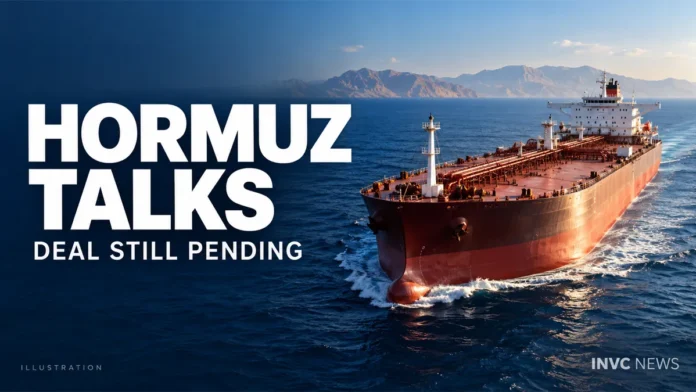
NEW YORK, United States | September 29, 2026 — US–Iran talks have returned to the diplomatic spotlight after officials from both countries separately contacted mediators on Monday. However, the latest outreach has not produced a confirmed agreement. The immediate question is whether negotiators can reconcile Iran’s demands for economic relief with Washington’s nuclear conditions—and turn diplomatic contact into concrete steps toward ending hostilities and restoring reliable shipping through the Strait of Hormuz.
INVC NEWS | BEYOND THE HEADLINE
What happened. Why it matters. What comes next.
THE 60-SECOND BRIEF
- Mediators remain the channel for the latest diplomatic effort.
- Economic relief and nuclear commitments remain central obstacles.
- No confirmed agreement establishes a reopening timetable.
- Individual vessel movements do not prove that normal shipping has returned.
What Happened
The latest contacts follow President Donald Trump’s public rejection of Iran’s earlier proposal.
Iranian Foreign Minister Abbas Araghchi has continued to leave room for diplomacy. Nevertheless, the distance between maintaining contact and accepting common terms remains significant.
What Each Side Wants
Reports describe Tehran’s approach as linking an end to fighting and economic restrictions with restored passage through Hormuz.
Washington, meanwhile, wants concrete nuclear commitments. A separate report citing US officials says Trump has offered sanctions relief and access to frozen funds in exchange for steps to curb Iran’s nuclear program.
Those reported discussions do not establish that either side has accepted the other’s conditions.
Why the Sequence Matters
The central negotiating problem involves the order of concessions.
An agreement would need to specify who acts first, what each action triggers and how the parties verify compliance. Otherwise, even similar promises could produce incompatible expectations.
For example, announcing economic relief differs from implementing it. Likewise, announcing maritime access differs from ensuring that shipping operators can use a route reliably.
Shipping Offers a More Complicated Picture
Separate reporting indicates that some Qatar-linked liquefied natural gas vessels have recently passed through Hormuz.
That activity matters, but it does not establish unrestricted passage for every operator or cargo. Selective transits and a comprehensive agreement represent different developments.
Consequently, readers should treat claims that the waterway has fully reopened with caution unless authorities and shipping evidence support them.
What Happens Next
The strongest evidence of progress would include a jointly acknowledged framework, an implementation timetable and clear verification arrangements.
Until then, statements about possible concessions remain negotiating positions. A proposed deadline also remains conditional unless both sides accept it.
INVC NEWS Bottom Line
Diplomatic contact keeps a route toward agreement open. The decisive test is whether Washington and Tehran can turn their competing conditions into a sequence of actions that both will carry out.