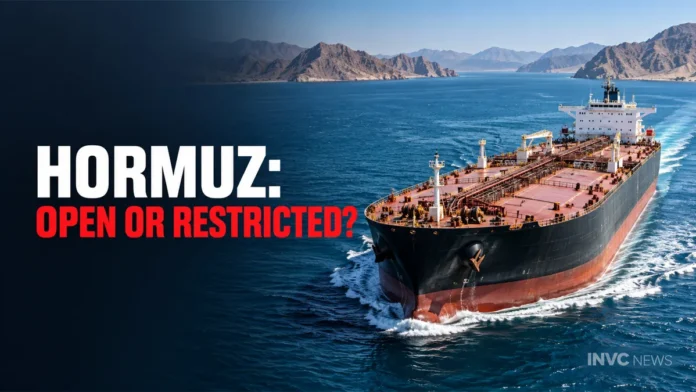
DUBAI, United Arab Emirates | September 29, 2026 — The Iran–Trump Hormuz dispute sharpened Tuesday when Revolutionary Guards spokesperson Hossein Mohebbi called the US president a “big liar,” challenged his nuclear claims and argued that protected tanker passages did not establish an open strait. Meanwhile, Kpler data put September oil exports through Hormuz on course to approach 10 million barrels daily, roughly half the pre-war level. For energy buyers, that contrast matters: improving shipments offer relief, but they do not establish that normal commercial access has returned.
INVC NEWS | BEYOND THE HEADLINE
What happened. Why it matters. What comes next.
THE 60-SECOND BRIEF
- Iran’s Revolutionary Guards challenged Trump’s account of the nuclear and shipping disputes.
- Oil-export data indicate a partial recovery through Hormuz.
- Trump separately denied offering sanctions relief or access to frozen Iranian funds.
- Mediators continue efforts to narrow differences over nuclear commitments and economic concessions.
- The central question remains whether diplomacy can produce reliable shipping access and an enforceable agreement.
What Happened
Tuesday’s intervention adds a new military message to the diplomatic confrontation between Washington and Tehran.
It follows Trump’s rejection of reports that he had offered sanctions relief and the release of frozen Iranian funds in exchange for nuclear concessions.
“I offered them NOTHING!” Trump wrote in his response.
His denial is an important part of the negotiating picture. It establishes his public position on the reported offer, while leaving unresolved what terms intermediaries may be discussing.
Neither the exchange of accusations nor the existence of diplomatic contacts establishes that the sides have reached an agreement.
What Each Side Says
Trump has framed preventing Iran from obtaining a nuclear weapon as a central US objective. Tehran disputes Washington’s account of its intentions and maintains that it does not seek nuclear weapons.
Separately, reporting on the indirect negotiations has described possible links between nuclear steps and economic relief. Trump has publicly rejected the claim that he offered those concessions.
The distinction between discussing an option, expressing willingness to consider it and making a formal offer matters. Public statements alone cannot resolve every difference between those stages.
For readers following the talks, the strongest evidence of progress would be agreed commitments that both governments acknowledge.
Why Hormuz Matters Beyond the War
Oil buyers need predictable access to shipping routes. A rise in exports can improve available supply, but commercial confidence also depends on whether vessels can move regularly and whether operators consider the journey acceptable.
Consequently, shipment volumes and freedom of navigation answer different questions.
Volumes show how much oil moves. Normal commercial access also requires confidence that voyages can continue without exceptional arrangements or sudden disruption.
That is why a partial recovery can coexist with continued concern among importers.
For India and other energy-importing economies, sustained disruption can influence import costs and business expenses. However, one diplomatic statement does not determine domestic fuel prices or guarantee immediate relief for consumers.
The Bigger Picture: The Order of Concessions Matters
Recent diplomatic proposals have connected reopening Hormuz with wider demands involving sanctions, frozen assets and restrictions on Iranian ports.
Reporting on mediation efforts also identifies sequencing as a major obstacle: what each side must do first, what the other side must provide in return and how compliance would be established.
Those questions can prevent an agreement even when both governments leave room for negotiations.
A shipping arrangement would need practical implementation. A nuclear understanding would require clear commitments. Economic concessions would also need defined conditions and timing.
What Happens Next
Watch for a joint announcement or matching statements that identify concrete obligations.
Shipping evidence will provide another test. A sustained improvement in commercial traffic would carry more weight than competing claims about control of the waterway.
Until then, diplomatic contacts, public rhetoric and oil movements should be assessed separately. Progress in one area does not automatically settle the others.
INVC NEWS Bottom Line
The latest confrontation highlights the gap between political claims and commercial certainty. Oil flows can recover while serious restrictions remain. The development that matters most to energy buyers will be dependable passage backed by clear commitments—not another declaration that the crisis is over.