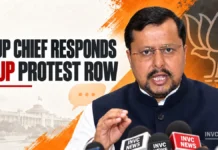
Chief Justice Says Issues Are Already Pending Before the Supreme Court; Opposition Leaders Can Approach the Court Through a Petition to Protect Fundamental Rights
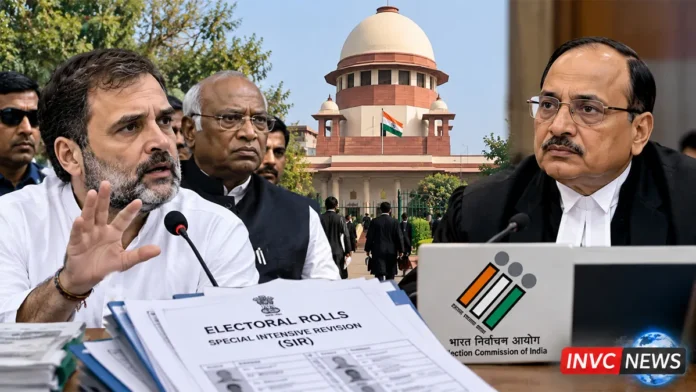
NEW DELHI, October 12, 2026: Chief Justice of India Surya Kant has declined a meeting request from Congress leader and Leader of the Opposition in the Lok Sabha Rahul Gandhi to discuss the Special Intensive Revision (SIR) of electoral rolls, citing the fact that related issues are already pending before the Supreme Court, according to a report by LiveLaw.
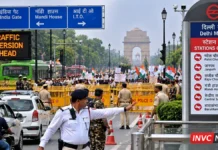
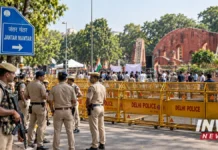
The development comes amid opposition demands for the withdrawal of the SIR process and the resignation of Chief Election Commissioner Gyanesh Kumar. Gandhi had announced plans for opposition leaders to march to the Supreme Court on Monday and submit a memorandum outlining their concerns.
According to the report, the Chief Justice responded to Gandhi’s official email on October 11, explaining why a separate meeting would not be appropriate while related matters remain under judicial consideration.
Why Did CJI Surya Kant Decline the Meeting?
According to LiveLaw, Surya Kant said the issues Gandhi wanted to raise were already being considered by the Supreme Court. In that context, a separate meeting to discuss the same matters would not be appropriate.
The reported response highlights the distinction between raising concerns through a formal judicial process and seeking a separate meeting with the head of the judiciary about matters pending before the court.
The available information does not establish that the Chief Justice rejected the opposition’s concerns on their merits. Rather, the stated reason for declining the meeting was the pending litigation.
Can the Opposition Approach the Supreme Court?
The Chief Justice reportedly indicated that opposition leaders could file a petition in court to protect their fundamental rights.
According to the report, if such a petition is filed, it could potentially be taken up on Tuesday alongside other cases related to the SIR process.
However, a possible hearing would depend on the filing of an appropriate petition and the court’s procedural decisions. The available information does not confirm that a new opposition petition has already been filed or scheduled for hearing.
The distinction is important: the option to approach the court does not itself mean that the court has accepted the opposition’s claims or granted any relief.
What Is Rahul Gandhi Seeking?
Gandhi announced on Sunday that opposition parties would march to the Supreme Court on Monday and submit a memorandum.
The demands outlined in the supplied report include:
- Withdrawal of the Special Intensive Revision process.
- Resignation of Chief Election Commissioner Gyanesh Kumar.
- Consideration of the opposition’s concerns over electoral procedures and related police action.
These demands reflect the opposition’s position. Their allegations and requests should not be treated as judicial findings.
What Is the SIR Controversy About?
The Special Intensive Revision is a process for reviewing and updating electoral rolls. The controversy described in the report centers on the Election Commission’s authority to conduct the exercise and the opposition’s objections to its implementation.
According to LiveLaw, a Supreme Court bench led by Surya Kant upheld the Election Commission’s authority to conduct the SIR process in May 2026.
The report also refers to pending petitions challenging certain decisions of the Chief Election Commissioner, with allegations that some decisions were taken without the agreement of the other election commissioners.
Those allegations remain subject to the relevant legal proceedings. The existence of pending petitions does not, by itself, establish that the challenged decisions were unlawful.
What Happens Next?
The next significant development will be whether opposition leaders pursue a formal legal challenge and whether the Supreme Court lists any such petition alongside the other SIR-related cases.
For now, the reported refusal to hold a separate meeting does not prevent opposition leaders from seeking judicial remedies through the prescribed legal process.
The case also underscores the importance of distinguishing between political demands, allegations made by parties and conclusions reached by a court.