INVC NEWS | Washington | October 16, 2026
The United States has imposed fresh sanctions on individuals and entities accused of helping Iran evade financial restrictions, move oil revenues and access international banking channels. Announced by the US Department of the Treasury on October 15, the measures target Iran-linked financial networks, offshore banks, oil intermediaries and foreign-exchange operators. The action is part of Washington’s broader campaign to restrict Tehran’s access to international finance and disrupt revenue streams that US officials say support Iran’s military and regional proxy groups.
Treasury Secretary Scott Bessent said the administration would continue targeting the financial channels it believes sustain the Iranian government. The department described the latest action as part of Operation Economic Outcast, a campaign aimed at dismantling networks allegedly used to bypass sanctions and transfer funds across borders.
The announcement comes amid heightened tensions between Washington and Tehran, including concerns over shipping and security around the Strait of Hormuz. The US government says its strategy is to increase economic pressure by targeting the institutions and intermediaries that help Iran conduct international transactions.
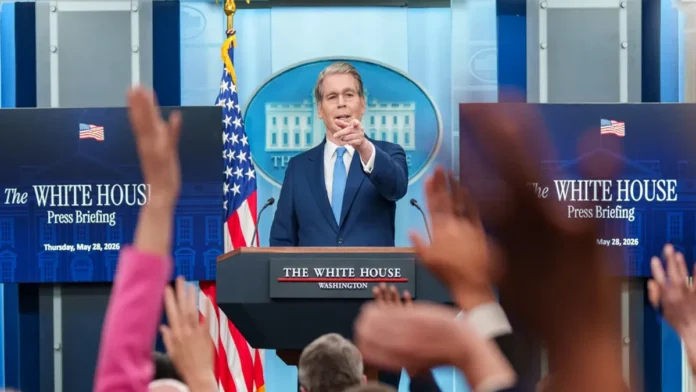
Scott Bessent Says Pressure on Iran’s Economy Is Increasing
Bessent said the US Treasury would not ease its campaign until the Iranian government’s financial resources and the channels supporting its military activities had been substantially disrupted.
“The noose is tightening around Iran’s economy, and not even Iran’s so-called allies can save it,” Bessent said in the Treasury Department’s October 15 announcement.
He added that the department would continue working to cut off financial lifelines that, according to Washington, sustain the Iranian government’s military capabilities.
The remarks signal that the US administration intends to maintain pressure not only on Iranian institutions but also on foreign banks, financial intermediaries and businesses accused of facilitating transactions for sanctioned entities.
What Is Operation Economic Outcast?
Operation Economic Outcast is the US Treasury’s broader initiative to restrict Iran’s access to international financial networks and disrupt revenue sources linked to oil exports, foreign-exchange transactions and alleged sanctions evasion.
According to the Treasury Department, Iran relies on complex networks operating across multiple jurisdictions to move money, obtain foreign currency and transfer proceeds from oil sales. US officials allege that these arrangements include offshore financial institutions, shell companies and intermediaries operating across the Middle East and Asia.
The department says the networks help Iran access international banking services despite existing US restrictions.
The latest measures were imposed under Executive Order 13902, which authorizes sanctions targeting specified sectors of Iran’s economy, including its financial and petroleum sectors.
Iraqi Bank Accused of Helping Iran Access US Dollars
One of the key targets is the Iraq-based International Development Bank for Investment and Finance, known as IDB.
The Treasury Department alleges that the bank provided financial services and US-dollar access to Iran while maintaining connections with Iranian government entities and Iran-aligned militia groups operating in Iraq.
According to US officials, the bank used its financial access to facilitate transactions involving Iranian capital and transfer profits back to Iran. The department also alleged that the institution had links to Iranian interests established to support Tehran’s access to US dollars.
The US government has designated the bank under Executive Order 13902.
These allegations are the US government’s stated basis for the sanctions and should not be interpreted as independent judicial findings.
Two Iranian Offshore Banks Also Targeted
The sanctions also cover two Iran-based offshore banking institutions:
- Jazireh International Bank Company, which the Treasury Department says is affiliated with Bank Mellat.
- Chabahar International Bank Overseas Company, which the department says is affiliated with Bank Shahr.
US officials allege that these offshore institutions form part of Iran’s efforts to conduct foreign-currency transactions through financial arrangements outside the country’s conventional banking system.
The Treasury Department says the banks were designated for operating in Iran’s financial sector and allegedly helping facilitate sanctions evasion.
Oil Intermediary Accused of Moving Revenue Through Hidden Networks
The US action also targets Iranian national Sayyed Ruhollah Razavi, whom the Treasury Department identifies as an oil intermediary involved in selling Iranian petroleum and arranging the return of proceeds through covert financial networks.
According to the department, Razavi previously helped arrange overseas shipments of millions of barrels of oil each month on behalf of the National Iranian Oil Company and its subsidiary, Naftiran Intertrade Company.
Treasury officials allege that revenue from these transactions moved through shell companies, cash and gold couriers, and financial channels operating across several countries.
The department further alleges that Razavi’s network used routes connecting Hong Kong, the United Arab Emirates and Türkiye to convert funds into gold and cash before moving them onward.
Razavi has been designated under Executive Order 13902 for activities in Iran’s petroleum sector.
Two Companies Linked to Razavi Also Sanctioned
The Treasury Department has also designated two Iranian companies it says are managed or controlled by Razavi:
- Tejarat Gostar Atlas Parsian Kish Company
- Farzanegan Energy Pars Company
According to US officials, the companies were targeted because of their alleged links to Razavi and his oil-related activities. The department also says Farzanegan Energy Pars Company is developing a gas-condensate refinery in Iran’s Bushehr Province.
The sanctions are intended to restrict the companies’ access to the US financial system and prevent transactions involving their blocked property or interests in property under US jurisdiction.
Seven Employees Accused of Coordinating Foreign-Exchange Transactions
Another part of the action targets seven employees of Farab Sorough Qeshm Company, an entity the Treasury Department describes as affiliated with Iran’s Shahr Bank.
The department alleges that the employees helped coordinate foreign-exchange transactions involving Iranian oil-selling companies and brokers. It says the transactions were routed through networks of shell companies in Hong Kong and the United Arab Emirates.
The seven individuals named in the Treasury announcement are Zhila Mohammadi, Milad Katebi, Amir Sabeti, Nazanin Borji, Fatemeh Vasighi Meraji, Azadeh Abdolalipur and Farzad Allahyar.
Treasury officials allege that their activities supported financial transactions linked to Iran’s oil trade and helped sanctioned networks move money across borders.
The department also identified Hong Kong-based Elitesphere Trading Co. Limited as a target, alleging that it had been used to move funds through the network.
What Do the Sanctions Mean?
Under US sanctions rules, the property and interests in property of designated persons that fall within US jurisdiction or the possession or control of US persons are generally blocked and must be reported to the relevant authorities.
Transactions involving designated individuals and entities are generally prohibited for US persons unless an exemption or authorization applies. Restrictions can also create significant compliance risks for foreign financial institutions and companies dealing with sanctioned parties.
The Treasury Department has warned that certain transactions involving designated persons may expose foreign financial institutions to secondary sanctions or restrictions on their access to US correspondent banking services.
The practical impact will depend on how financial institutions, international businesses and other jurisdictions respond to the new designations.
Why the Action Matters
The latest sanctions reflect Washington’s effort to target the financial infrastructure that it says allows Iran to continue earning revenue and moving funds despite existing restrictions.
Rather than focusing only on major Iranian institutions, the action targets a broader network of banks, oil intermediaries, currency specialists and companies operating across several jurisdictions.
For international banks and businesses, the announcement is another reminder of the compliance risks associated with transactions involving sanctioned Iranian entities. Financial institutions may face increased pressure to screen customers, review payment routes and identify indirect links to designated individuals and companies.
The measures could also complicate some financial transactions involving the named institutions. However, the overall economic effect will depend on enforcement, the availability of alternative channels and the willingness of foreign intermediaries to continue doing business with Iran.
Bottom Line
The United States announced new sanctions on October 15 against Iran-linked financial and oil networks as part of Operation Economic Outcast. The Treasury Department says the measures are designed to disrupt alleged sanctions-evasion arrangements, restrict access to US dollars and reduce the flow of oil revenue through offshore financial channels.
Bessent has pledged to maintain pressure on Tehran. The next test will be whether the new restrictions significantly disrupt the financial networks identified by Washington and how foreign institutions respond to the heightened sanctions risk.