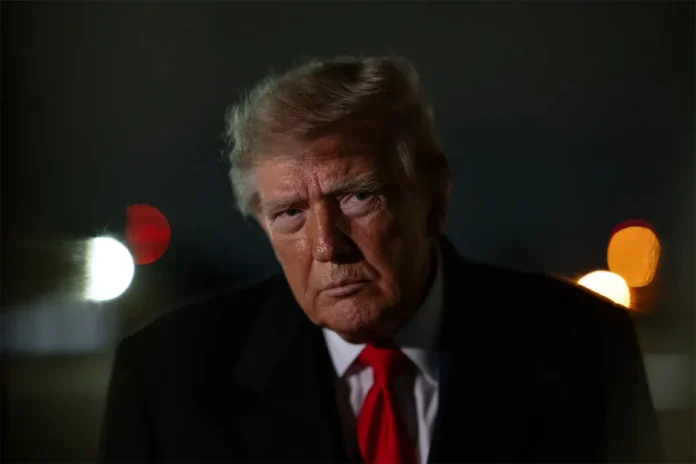
Control of either chamber of Congress could give Democrats greater power to investigate financial firms, scrutinize prediction markets and challenge the Trump administration’s regulatory policies, with potential implications for India-US trade.
WASHINGTON, D.C. | October 15, 2026 – The November 3 US midterm elections could reshape President Donald Trump’s ability to advance his economic and regulatory agenda, particularly in areas such as cryptocurrency, Wall Street banking, artificial intelligence and prediction markets. If Democrats gain control of either the House of Representatives or the Senate, they would have greater opportunities to investigate administration policies, summon executives for congressional hearings and challenge the direction of financial regulation.
The stakes extend beyond Washington. The outcome could influence the regulatory environment for US technology and financial companies, the implementation of trade policies and congressional debates over immigration and international security. For India, developments in Washington could have implications for technology services, H-1B visas, tariffs and the broader economic relationship with the United States.
Democratic gains would not automatically overturn Trump’s policies. However, control of a congressional chamber would give the opposition party greater influence over committee investigations, legislative priorities and oversight of the executive branch. Reuters has reported that Wall Street firms, cryptocurrency companies and prediction-market operators are preparing for increased scrutiny if Democrats gain ground in November.
Why the Midterm Elections Matter for Trump
The November 2026 elections will determine all 435 seats in the House of Representatives and roughly one-third of the Senate’s 100 seats. The elections take place halfway through the presidential term and are widely viewed as an important test of the administration’s performance.
The party holding the presidency has historically faced the possibility of losing congressional seats in midterm elections, although the scale of those losses varies from one election to another. Economic concerns, public approval of the president, local races and voter turnout can all influence the outcome.
For Trump, the results will help determine how much room his administration has to pursue its legislative priorities during the remainder of his term.
If Democrats take control of the House, they could use committee leadership and investigative authority to examine administration decisions, federal regulatory changes and the business interests of companies operating in sectors affected by government policy.
A Democratic-controlled Senate could similarly increase oversight of financial regulators and influence legislation, nominations and other matters that fall within the chamber’s constitutional responsibilities.
Congressional control, however, does not give either party unlimited authority. Legislation must pass the required stages, the president retains veto power, and the ability to enact major changes depends on the specific measure and the balance of support in both chambers.
Cryptocurrency Firms Face Potential Congressional Scrutiny
The cryptocurrency industry is among the sectors closely watching the election. The Trump administration has supported policies intended to encourage digital-asset innovation and establish the United States as a major center for cryptocurrency businesses.
Democratic lawmakers have raised concerns about consumer protection, money laundering, financial stability and possible conflicts of interest involving political figures and digital-asset companies.
If Democrats gain control of a congressional chamber, they could expand investigations into the relationship between crypto businesses and policymakers, examine the implementation of recently enacted legislation and seek additional safeguards for consumers and the financial system.
Representative Sean Casten, a Democrat from Illinois who has criticized aspects of the cryptocurrency industry, is one of the lawmakers whose potential influence has attracted attention. Reuters has reported that Casten could seek a leadership role on the House Financial Services Committee, a position that could increase his influence over the congressional agenda for financial regulation.
His approach could place cryptocurrency companies under closer examination, particularly on questions involving anti-money-laundering safeguards, regulatory oversight and the risks digital assets may pose to consumers.
That possibility does not mean a broad crackdown would automatically follow a Democratic victory. The scope of any new restrictions would depend on committee priorities, the legislation introduced, support among lawmakers and the administration’s response.
For businesses, however, even the prospect of congressional investigations can create additional legal, compliance and reputational costs.
Wall Street Banks Could Face Tougher Questions
Large banks could also face increased scrutiny if Democrats gain control of either chamber.
Potential areas of investigation include lending practices, consumer fees, financial stability, regulatory changes and the circumstances under which banks deny or terminate services for customers. Lawmakers could also examine how federal agencies enforce existing rules and whether recent regulatory decisions adequately protect consumers.
Democratic lawmakers have argued that financial oversight should address risks to ordinary Americans and prevent powerful institutions from receiving preferential treatment. Republican lawmakers and the Trump administration have generally emphasized reducing regulatory burdens and encouraging business activity.
The competing approaches could shape debates over bank supervision, capital requirements, consumer finance and the treatment of cryptocurrency-related businesses.
A change in committee leadership would not, by itself, rewrite banking regulations. But congressional hearings, requests for documents and investigations could increase pressure on financial institutions to explain their practices and demonstrate compliance with federal law.
Banks could also become part of broader investigations into the administration’s financial policies, particularly where lawmakers raise questions about the relationship between government decisions and private business interests.
Elizabeth Warren and the AI Industry
Artificial intelligence companies could face another round of scrutiny from Democratic lawmakers, particularly Senator Elizabeth Warren, a prominent critic of concentrated corporate power and financial deregulation.
Warren has raised concerns about the influence of large companies over public policy and has questioned whether existing safeguards adequately address risks to consumers and the financial system. Her criticism of the administration’s approach to cryptocurrency and banking has also included concerns about potential conflicts of interest.
If Democrats gain control of the Senate, Warren could have greater influence over banking-related investigations and legislative priorities, depending on committee assignments and leadership decisions.
For AI companies, congressional scrutiny could focus on corporate concentration, consumer protection, competition, data practices and the relationship between technology firms and federal agencies. The precise agenda would depend on the issues lawmakers choose to prioritize.
Greater oversight would not necessarily translate into immediate restrictions on AI development. Congressional investigations can expose concerns and shape public debate, but binding policy changes generally require further legal or regulatory action.
Technology companies and their investors will therefore be watching not only which party controls Congress but also which committees gain new leadership and which proposals attract bipartisan support.
Prediction Markets Enter the Political Debate
Prediction markets, which allow users to trade contracts tied to the outcomes of future events, have expanded their visibility in political and financial discussions. Their growth has also raised questions about market integrity, consumer protection, regulatory jurisdiction and the potential use of nonpublic information.
Democratic lawmakers could use congressional oversight to examine whether existing rules adequately address these risks and whether companies operating prediction markets have sufficient safeguards in place.
The issue may become particularly sensitive when markets involve elections, government decisions or events connected to people with access to confidential information.
A Democratic-controlled committee could seek testimony from executives, request company records or hold hearings on how these platforms operate. Such actions could increase pressure on companies to explain their compliance systems and the measures they use to prevent manipulation.
But the election alone would not determine the legal status of prediction markets. Their treatment would continue to depend on applicable federal law, regulatory decisions and any legislation Congress ultimately adopts.
How Midterm Results Could Affect India-US Relations
The effects of the election could reach beyond the United States, including India’s technology industry and export-oriented businesses.
India and the United States have maintained significant economic, technology and security ties under both Democratic and Republican administrations. A change in congressional control would not automatically reverse that relationship, but it could influence the debate surrounding tariffs, immigration policy, technology cooperation and international security.
H-1B visas and India’s technology sector
H-1B visa rules are particularly important for Indian technology companies and professionals working in the United States. Congressional hearings or proposed legislation could bring renewed attention to visa eligibility, employer compliance, wage requirements and the wider US approach to skilled immigration.
However, changes to immigration rules would depend on the specific legal and administrative process involved. A Democratic gain in Congress would not automatically relax or tighten H-1B requirements.
For Indian IT services companies, the key issue will be whether changes in US policy affect their ability to deploy skilled workers, serve American clients and manage operating costs.
Tariffs and trade policy
Tariffs are another area of potential significance. Congress could debate the economic effects of trade restrictions, scrutinize the administration’s approach and consider legislation intended to change or constrain particular policies.
The president retains substantial authority in several areas of trade policy under existing laws, so a shift in congressional control would not necessarily produce an immediate change in tariff rates.
Nevertheless, hearings, legislative proposals and negotiations could influence the political environment surrounding US trade relations with India. Indian exporters and companies with substantial exposure to the American market will be watching for any changes that affect prices, market access or supply chains.
Defence and strategic cooperation
The Senate plays a significant role in considering treaties and confirming many senior diplomatic and national security appointments. Congress also exercises important powers over federal spending, including defence appropriations.
A change in congressional control could affect debates over military assistance, defence spending and international partnerships. The practical impact on India-US strategic cooperation would depend on the specific decisions taken by lawmakers and the administration.
The bilateral relationship involves several areas of cooperation, and changes in congressional priorities would not necessarily translate into a fundamental shift in the two countries’ overall ties.
What a Democratic Victory Would—and Would Not—Change
A Democratic gain in either chamber would create additional opportunities for oversight, but it would not automatically allow the party to enact its entire policy agenda.
Control of the House would give Democrats greater authority over committee investigations and the chamber’s legislative schedule. Control of the Senate would provide influence over its committees, legislative proceedings and many nominations, subject to applicable rules and voting requirements.
If Democrats control only one chamber, divided control of Congress could make major legislation more difficult to pass. If the party controls both chambers, it could pursue a broader legislative agenda, although presidential vetoes, procedural requirements and internal disagreements could still limit what becomes law.
For cryptocurrency firms, banks, AI companies and prediction-market operators, the immediate concern may therefore be increased oversight rather than an instant change in regulations.
For India, the consequences are likely to depend on the specific policy areas that emerge as priorities after the election, rather than on party control alone.
Conclusion
The November 3, 2026, midterm elections will determine the balance of power in Congress for the next two years and could shape the extent of scrutiny facing the Trump administration and major US industries.
A Democratic majority in either chamber would provide new avenues to investigate financial firms, examine cryptocurrency regulation, question technology companies and challenge aspects of the administration’s economic policies. The scale of any changes would depend on congressional priorities, the legal authority available and the ability to build support for specific measures.
The implications could extend to India through debates over skilled-worker visas, tariffs, technology and strategic cooperation. For now, businesses and international partners will be watching the election closely, while the ultimate policy consequences remain contingent on the results and the decisions that follow.