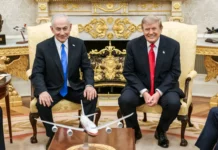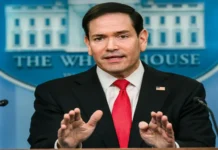
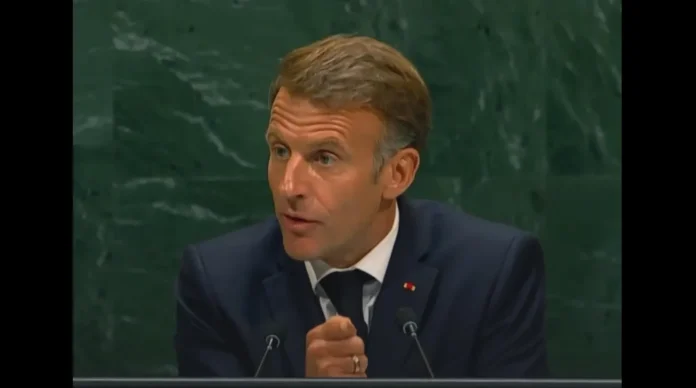
PARIS, October 22, 2026 — French President Emmanuel Macron has criticised foreign leaders over their comments on France’s recent violence and looting, accusing some of using the unrest to advance their political agendas. His remarks came after US President Donald Trump blamed immigration for the turmoil and Israeli Prime Minister Benjamin Netanyahu linked the situation to what he described as an “invasion of extremist Islam.”
Speaking to journalists in Doha, Qatar, on Wednesday, Macron also warned that AI-generated images showing events that had not actually occurred in France were circulating online. He said the spread of misleading material had contributed to what he described as irresponsible comments by foreign politicians.
The dispute has added an international dimension to France’s domestic unrest, which erupted during protests over the rising cost of living and other public grievances. French authorities have faced pressure to restore order following clashes, looting and damage to public property in several cities.
60-Second Brief
- Macron’s objection: The French president accused some foreign leaders of exploiting France’s unrest for political gain.
- Trump’s claim: The US president blamed immigration for the violence and criticised Macron’s approach to border controls.
- Netanyahu’s position: The Israeli prime minister described the situation as an “invasion of extremist Islam.”
- AI misinformation: Macron said AI-generated images had depicted scenes that never happened in France.
- Security response: French authorities have reported large-scale arrests and introduced targeted curfews in areas affected by unrest.
What Did Macron Say About Foreign Leaders?
Macron did not initially name the leaders he was criticising during his remarks in Doha. However, when a journalist asked whether his comments referred to Trump, the French president answered, “Among others.”
He said some politicians, both in the Middle East region and across the Atlantic, were in campaign mode and using France’s difficulties to support their own political messaging.
Macron argued that the unrest had been followed by foreign manipulation of information, which he said had encouraged inaccurate or exaggerated claims about what was happening in the country.
His criticism was directed not simply at outside commentary, but also at the use of misleading material to portray the unrest as evidence of a wider takeover by migrants or Islamist groups.
The French president said the country’s challenges should not become material for political campaigns abroad. He also defended France against claims that migrants and Islamists had entered the country in overwhelming numbers during the unrest.
Why Did Trump Blame Immigration?
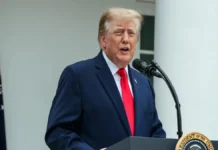
Trump said France’s recent violence was linked to immigration rather than problems involving schools or other domestic issues. He criticised Macron for allowing people to enter France and claimed that Paris could eventually become a Muslim city.
The US president also drew comparisons between the unrest in France and the potential consequences of political choices facing American voters, using the situation to reinforce his criticism of immigration policies.
Macron rejected the suggestion that the events demonstrated a migrant or Islamist takeover of France. He said the claims being circulated did not accurately reflect what had happened.
The competing statements highlight a broader political disagreement over how immigration, public order and social tensions should be interpreted. While Trump has presented immigration as the central explanation for the violence, Macron has warned against drawing sweeping conclusions from unrest that also unfolded amid protests over living costs and public services.
What Did Netanyahu Say?
Netanyahu also weighed in on the French situation, describing the unrest as an “invasion of extremist Islam” and criticising the French government.
His remarks drew Macron’s wider objection to foreign politicians who, in the French president’s view, were using the events to advance their own political narratives.
The disagreement comes amid heightened political activity in both the United States and Israel. Macron suggested that leaders focused on upcoming elections were more willing to repeat claims circulating online without adequately checking whether the material was genuine.
However, Macron’s criticism did not establish that foreign governments had organised the violence itself. He said he did not see clear evidence of foreign interference behind the events in France, while warning that information manipulation followed the unrest.
How Were AI-Generated Images Involved?
Macron said images created using artificial intelligence had circulated online, depicting scenes that had never taken place in France.
He specifically rejected claims that the country had been overwhelmed by large numbers of migrants and Islamists. According to Macron, misleading imagery and narratives had helped fuel inaccurate descriptions of the situation.
The episode underlines a growing challenge for governments and the public: AI-generated images can make fabricated scenes appear convincing, particularly when they are shared during fast-moving events and without reliable context.
Macron did not identify every image he was referring to or publicly detail the process used to verify the material. His remarks nevertheless highlighted the importance of checking the origin and authenticity of images before treating them as evidence of events on the ground.
French Foreign Minister Jean-Noël Barrot said his ministry could provide clarification to countries concerned to help prevent the spread or amplification of false information and unsupported claims on social media.
What Is Happening on the Ground in France?
France has experienced serious violence and looting alongside demonstrations over the cost of living and other public concerns. Authorities have reported thousands of arrests and damage to businesses and public buildings.
The government has moved to reinforce security and use targeted curfews in affected areas. Officials have also faced questions over the police response and the authorities’ ability to contain the unrest.
Macron has drawn a distinction between people expressing legitimate grievances and those involved in destruction, clashes or looting. The distinction matters because the presence of violence during demonstrations does not, by itself, establish that all protesters share the same motives or political objectives.
The government’s immediate challenge is to restore public order while addressing the underlying grievances and ensuring that security measures are proportionate.
Why the Dispute Matters
The disagreement between Macron, Trump and Netanyahu shows how domestic unrest can become part of international political debate. Statements by prominent leaders can influence how events are understood abroad, particularly when those statements are amplified through social media.
It also raises questions about accountability in the use of AI-generated material. When fabricated images are presented as real, they can distort public understanding, intensify social tensions and complicate efforts to establish what actually happened.
For France, the immediate priorities remain public safety, the protection of property and an accurate assessment of the causes of the unrest. For audiences outside the country, the competing claims underline the need to distinguish verified events from political interpretation.
What Happens Next?
French authorities are expected to continue assessing the violence, reviewing security arrangements and responding to further demonstrations where necessary. The government also faces pressure to explain how the unrest developed and how public order can be restored without dismissing the concerns that brought people onto the streets.
Macron’s remarks in Doha have widened the debate beyond France’s domestic response. Whether the diplomatic dispute escalates will depend in part on how foreign leaders respond and whether misleading claims continue to circulate online.
Bottom Line: Macron has accused foreign politicians of using France’s unrest for political advantage and warned that AI-generated images have helped spread false narratives. Trump has blamed immigration, while Netanyahu has linked the crisis to extremist Islam. The central challenge for France remains establishing the facts, restoring public order and addressing the grievances behind the protests without allowing unverified claims to define the crisis.