NEW DELHI, India | September 9, 2026 —
The Lamajjaka Medicinal Plant has been used in Ayurveda and traditional healing practices for generations, particularly in remedies associated with fever, joint discomfort, body pain and certain skin complaints. However, traditional use should not be confused with proven medical treatment, and experts recommend identifying the plant correctly and seeking professional advice before using any medicinal herb.
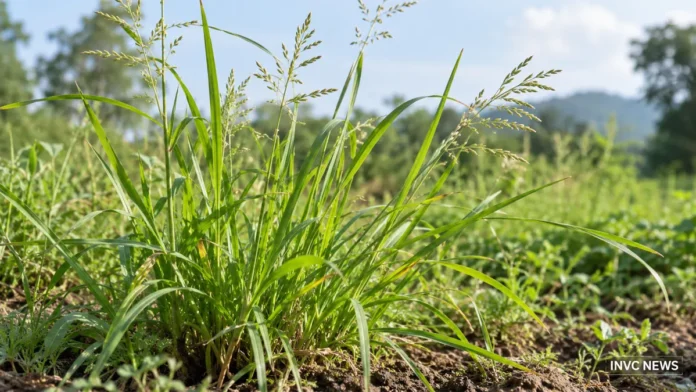
The National Medicinal Plants Board, which works under the Ministry of Ayush, has highlighted Lamajjaka as a perennial medicinal herb. A perennial plant can survive for several years and may continue growing season after season when soil, climate and other conditions remain favorable.
Lamajjaka belongs to the grass family, or Poaceae. Because several medicinal grasses can look similar, accurate identification becomes especially important before the plant is collected, cultivated or used for health purposes.
Lamajjaka Has a Long History in Traditional Medicine
Ayurveda and folk medicine have traditionally used Lamajjaka in preparations associated with fever and excessive body heat.
Traditional practitioners have regarded the herb as cooling in nature. However, people should not use that description as evidence that Lamajjaka can treat the medical cause of a fever.
Fever can occur because of viral infections, bacterial illnesses, inflammatory conditions and several other medical problems. A high, recurring or persistent fever therefore requires appropriate medical evaluation rather than relying solely on herbal remedies.
This distinction is particularly important for children, older adults and people living with chronic health conditions or taking regular medication.
Traditional Use for Gout, Rheumatism and Body Pain
Lamajjaka has also appeared in traditional remedies used for joint discomfort, gout, rheumatic complaints and generalized body pain.
Gout develops when uric acid crystals accumulate around joints and can cause sudden episodes of intense pain, swelling and redness. Rheumatic conditions, meanwhile, cover a much wider range of disorders affecting joints, muscles and connective tissues.
For that reason, similar symptoms do not always have the same cause.
While folk medicine may have used Lamajjaka in these conditions, anyone experiencing persistent joint pain, swelling, stiffness or repeated attacks should seek a medical diagnosis. Proper treatment depends on the underlying condition.
Using an herb without knowing the cause of pain can delay appropriate care.
Lamajjaka and Traditional Skin Care
Traditional medicine has also used Lamajjaka in connection with certain skin problems.
That does not mean every preparation containing the herb will be safe for direct application to the skin. Plant extracts, essential oils and herbal pastes contain naturally occurring compounds that may trigger irritation or allergic reactions in some people.
People with sensitive skin should take particular care.
Anyone considering a topical herbal preparation should check its ingredients and concentration and seek advice from a qualified healthcare or traditional-medicine professional where appropriate.
A worsening rash, severe itching, swelling, blistering or breathing difficulty requires medical attention.
When Is Lamajjaka Planted?
Available traditional cultivation information places the main planting period for Lamajjaka around June and July, broadly coinciding with the monsoon period in many parts of India.
However, growers should treat this as general guidance rather than a universal planting calendar.
Actual planting time can vary depending on rainfall, temperature, soil type, irrigation availability and local growing conditions. Farmers or home growers planning to cultivate medicinal plants should therefore consult regional horticulture, agriculture or medicinal-plant specialists.
Correct propagation material also matters because medicinal value and plant characteristics can vary between species and varieties.
Correct Identification Is Especially Important
One of the biggest precautions with medicinal plants is correct botanical identification.
Common and Sanskrit names can sometimes apply to plants that look similar or have overlapping traditional uses. Collecting an unidentified wild plant on the assumption that it is Lamajjaka can therefore create unnecessary health risks.
Consumers should obtain medicinal herbs from reliable sources and check the botanical identification whenever possible.
This becomes even more important when people plan to consume a preparation rather than simply grow the plant.
Natural Does Not Automatically Mean Risk-Free
Interest in Ayurveda and medicinal plants continues to grow, but “natural” does not automatically mean “safe for everyone.”
Herbal substances can interact with medicines, trigger allergies or produce unwanted effects when taken in inappropriate quantities. Their safety can also depend on the plant part used, method of preparation, dose and an individual’s health condition.
Pregnant people, people who are breastfeeding, children, older adults and anyone taking prescription medicines should be particularly cautious about using herbal remedies without professional guidance.
People should also avoid replacing treatment for a diagnosed medical condition with Lamajjaka or any other herb unless a qualified healthcare professional advises them to do so.
What Consumers Should Remember
Lamajjaka remains an interesting medicinal plant because of its long-standing role in Ayurveda and folk traditions. Its traditional applications include remedies associated with fever, joint discomfort, body pain and skin complaints.
At the same time, traditional knowledge and modern clinical evidence are not the same thing.
Anyone interested in using Lamajjaka should focus first on correct plant identification, safe preparation and appropriate professional guidance. Persistent fever, severe joint pain, recurring gout attacks or unexplained skin problems should always receive proper medical evaluation.