

By Team INVC | INVC NEWS
Published: August 30, 2026 |12 : 00 PM IST
NEW DELHI, India | August 30, 2026 —
Kajari Teej 2026 will be observed on Monday, August 31, bringing another important Teej festival for devotees, particularly married women observing traditional vrat and puja customs across Rajasthan, Uttar Pradesh, Madhya Pradesh, Bihar and several other parts of North India.
The festival falls on Krishna Paksha Tritiya of the Bhadrapada month according to the North Indian calendar.
In 2026, Tritiya Tithi begins at approximately 9:36 AM on August 30 and ends at approximately 8:50 AM on August 31.
This means devotees following tithi-based morning worship should pay special attention to the early hours of August 31.
Kajari Teej is also known in different regions as Kajali Teej, Kajri Teej, Badi Teej and Satudi Teej.
Kajari Teej 2026 Date and Tithi Timing
Festival: Kajari Teej 2026
Date: Monday, August 31, 2026
Tritiya Tithi Begins: August 30 at approximately 9:36 AM
Tritiya Tithi Ends: August 31 at approximately 8:50 AM
Paksha: Krishna Paksha
Month: Bhadrapada under the North Indian calendar
Kajari Teej comes after Hariyali Teej and forms part of the major Teej festival cycle observed during the monsoon season.
Also Read – : Aaj Ka Panchang August 30, 2026: Rahu Kaal, Nakshatra and Shubh Muhurat
What Is the Best Time for Kajari Teej Puja?
Because Tritiya Tithi ends at approximately 8:50 AM on August 31, devotees who follow a tithi-based morning ritual may prefer completing the main traditional worship after sunrise and before the Tritiya period ends.
However, there is no single universal Kajari Teej puja timing followed by every family or region.
Local traditions differ, and devotees performing a specific religious ritual should follow the custom practiced by their family, priest or regional Panchang.
Why Is Kajari Teej Celebrated?
Kajari Teej is traditionally associated with marital harmony, family well-being and prayers for a happy married life.
Married women in several communities observe a vrat and offer prayers for the health and longevity of their husbands and the prosperity of the family.
Unmarried women also observe Teej traditions in some regions while praying for a compatible life partner and a harmonious married life.
The festival carries particularly strong cultural importance in Rajasthan and parts of Uttar Pradesh, Bihar and Madhya Pradesh.
Kajari Teej Vrat Rules
Customs vary considerably between families and regions. However, common traditional practices may include:
- Taking a bath early in the morning
- Wearing clean or traditional clothes
- Taking a sankalp for the vrat
- Worshipping according to family tradition
- Listening to or reading the Kajari Teej vrat katha
- Offering flowers, fruits and other traditional puja items
- Seeking blessings from elders
- Performing charity according to personal capacity
Some women observe a strict fast, while others follow a fruit-based or simplified vrat depending on their health, age and family tradition.
Fasting should never be allowed to create a medical risk.
Kajari Teej Puja Samagri
A traditional puja thali may include:
- Diya
- Roli
- Akshat
- Flowers
- Fruits
- Sweets
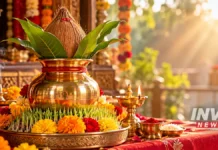
- Kalash
- Clean water
- Incense
- Traditional offerings followed by the family
There is no requirement to purchase expensive puja material.
Devotion, cleanliness and sincere prayer remain more important than the monetary value of offerings.
Kajari Teej and Married Women
Kajari Teej has traditionally been closely connected with married women.
In many households, women dress in traditional clothes, apply mehendi, wear bangles and participate in family or community rituals.
The exact form of observance varies across regions.
The festival should therefore be understood both as a religious occasion and as a celebration of family, relationships and traditional monsoon culture.
Is Kajari Teej the Same as Hariyali Teej?
No.
Hariyali Teej and Kajari Teej are separate festivals.
Hariyali Teej occurs earlier in the monsoon festival cycle, while Kajari Teej follows later during Krishna Paksha.
Another major festival, Hartalika Teej, occurs later.
Kajari Teej itself is also known as Badi Teej, while Hariyali Teej may be referred to as Chhoti Teej in some traditions.
Kajari Teej Vrat Katha
The vrat katha associated with Kajari Teej varies according to regional and family traditions.
The broader message generally emphasizes devotion, commitment, marital harmony, faith and perseverance.
Rather than mixing different regional versions into one account, devotees should ideally follow the katha traditionally used in their household or local temple.
What Can Be Donated on Kajari Teej?
Those wishing to perform daan may consider useful items such as:
- Food grains
- Fruits
- Clothes
- Essential household items
- Food for someone in need
- Educational supplies for children
Donation should always remain voluntary and within one’s financial capacity.
Also Read – : Horoscope Today August 30, 2026: Predictions for All 12 Zodiac Signs
Kajari Teej 2026: What Devotees Should Remember
The most important timing to remember this year is that Krishna Tritiya ends at approximately 8:50 AM on Monday, August 31.
Devotees following the traditional tithi should therefore organize their morning worship accordingly.
At the same time, regional customs must be respected because Kajari Teej rituals are not identical across India.
The festival is ultimately centered on faith, marital harmony, family well-being, prayer and the cultural traditions surrounding Teej.









Comments are closed.