NEW DELHI, INDIA | August 27, 2026 —
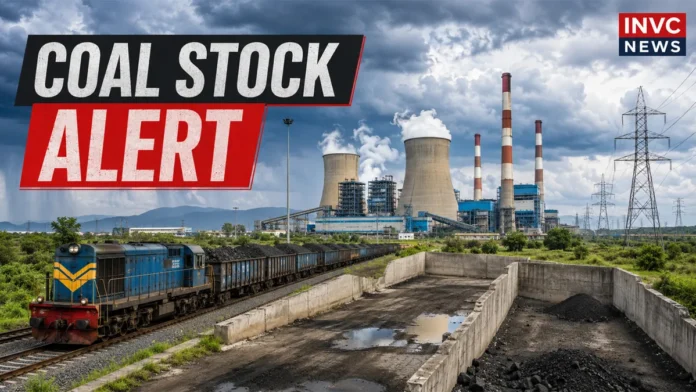
India coal power plant stocks have fallen to critical levels at dozens of thermal stations as heavy rain disrupts mining and transportation while unusually warm weather keeps electricity demand elevated across parts of the country.
Government data available through August 25 shows that 45 coal-fired power plants are operating with coal inventories below prescribed levels or with critically low stocks. That is a sharp increase from 31 plants at the end of July.
Of the affected facilities, 40 are domestic coal-based power plants, highlighting growing pressure on fuel movement during the monsoon season.
The development does not automatically mean widespread power cuts are imminent. However, declining inventories have increased pressure on coal suppliers, rail transportation and power producers to maintain adequate fuel availability.
Coal Stocks Fall as Monsoon Disrupts Mining
Heavy rainfall in major coal-producing states including Odisha, Jharkhand and Chhattisgarh has affected mining operations and slowed transportation to thermal power stations.
Coal inventories across power plants have fallen sharply during August.
Industry estimates place total stocks at around 30.95 million tonnes, equivalent to approximately 10 days of operational requirement, compared with roughly 12 days previously.
Coal inventories are estimated to have declined around 19% from end-July levels.
Some thermal plants are also receiving fewer railway coal rakes than required, adding to the supply pressure.
Why Electricity Demand Is Still High
Normally, stronger monsoon rainfall can reduce electricity demand by bringing temperatures down and lowering air-conditioning use.
However, rainfall has been uneven this year.
India has received roughly 12% less rainfall than normal so far this monsoon season, while hotter conditions in several regions have maintained demand for cooling.
This has increased reliance on thermal generation, particularly during evening and nighttime hours when solar generation falls but air-conditioning demand can remain elevated.
Coal continues to play a major role in India’s electricity system, which means sustained pressure on inventories can become an important grid-management issue.
Also Read – : Suzlon Makes ₹10,000 Crore Andhra Pradesh Bet: 1,325 MW Wind Projects and 4,000 Jobs
Are Power Cuts Likely?
For consumers, the crucial question is whether low coal inventories could lead to electricity shortages.
At present, the available data does not establish that nationwide power cuts are about to occur.
India’s electricity grid draws power from multiple sources, including coal, solar, wind, hydro, nuclear and gas. Fuel stocks also vary significantly between individual thermal stations.
However, plants with extremely low inventories have less flexibility if coal deliveries are delayed further or electricity demand suddenly rises.
The situation is therefore being closely monitored.
The Power Ministry has reportedly asked some coal-fired stations to postpone scheduled maintenance until the supply situation becomes clearer, helping keep more generating capacity available.
What Does ‘Critical Coal Stock’ Mean?
The Central Electricity Authority monitors coal availability at thermal power stations against prescribed stocking requirements.
Plants whose inventories fall significantly below required levels can be classified as facing critical stock conditions, allowing coal supplies and railway deliveries to be prioritized where necessary.
Some plants currently have inventories capable of supporting only a few days of generation.
However, a low stock number alone does not necessarily mean a plant will immediately stop operating. Coal supplies continue arriving daily, meaning the situation depends heavily on the pace of incoming deliveries relative to consumption.
Renewable Energy Becomes Increasingly Important
The latest coal-supply pressure also highlights the importance of India’s broader effort to diversify electricity generation.
India is rapidly adding solar and wind power as it works toward 500 GW of non-fossil-fuel electricity capacity by 2030.
Greater renewable capacity can reduce dependence on coal during parts of the day, although storage, transmission infrastructure and round-the-clock power availability remain critical challenges.
Also Read – : Renewable Energy Stocks 2026: Adani Green, Tata Power and Suzlon Lead India’s Clean Energy Push
India is simultaneously dealing with pressure elsewhere in its energy system. Expensive imported gas and geopolitical disruption have recently increased LNG procurement costs, reinforcing the importance of diversified domestic energy supplies.
Also Read – : India Buys Costliest LNG Since 2022 as Iran War Disrupts Supplies
What Happens Next?
The next few weeks will depend heavily on rainfall, coal production and the ability of Indian Railways and mining companies to accelerate fuel deliveries.
If coal supplies improve while temperatures moderate, inventories could stabilize.
However, prolonged mining disruptions combined with high electricity demand could keep individual thermal stations under pressure.
For now, the data points to a fuel-supply challenge requiring close management rather than evidence of an immediate nationwide electricity crisis.