NEW DELHI, October 14, 2026
India and Canada Step Up CEPA Negotiations After Ottawa Talks
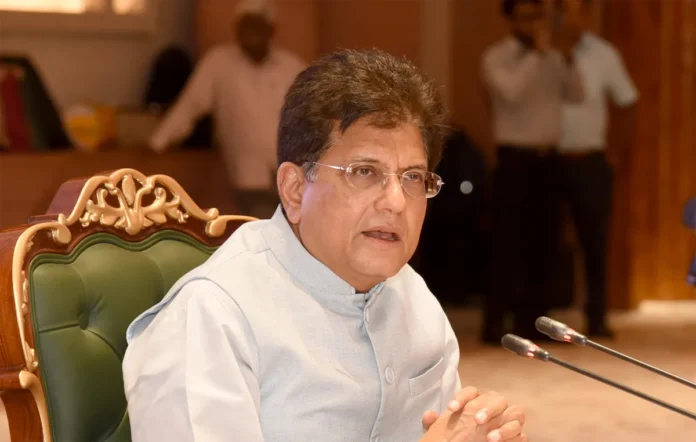
India and Canada are intensifying negotiations on a proposed comprehensive economic partnership agreement (CEPA), with both countries seeking to conclude a mutually beneficial India-Canada trade deal by the end of 2026. The renewed push follows the fifth round of negotiations held in Ottawa from October 5 to 9 and a meeting between Canadian International Trade Minister Maninder Sidhu and Indian Commerce and Industry Minister Piyush Goyal in New Delhi.
According to Global Affairs Canada, the ministers reviewed progress on the negotiations during the Team Canada Trade Mission to India. The meeting was the ninth between Sidhu and Goyal since May 2025, underscoring sustained ministerial engagement on trade and investment priorities.
In a statement issued on October 13, the Canadian government said both countries were intensifying their efforts to finalize an agreement that would benefit both sides. However, the statement did not detail the remaining differences between negotiating teams or announce a date for the next round of talks. The agreement remains under negotiation and has not been finalized.
Canadian Trade Mission Brings Nearly 300 Representatives to India
The negotiations are taking place alongside a major Canadian business outreach initiative. Running from October 12 to 17, the Team Canada Trade Mission is bringing approximately 300 representatives to India, with activities in Mumbai and Bengaluru.
The delegation is exploring investment opportunities, commercial partnerships and ways to expand cooperation between Canadian and Indian companies. It is described by the Canadian government as the country’s largest trade delegation to India in more than three decades.
Participating companies are looking for opportunities across several industries, including energy, critical minerals, aerospace, artificial intelligence and advanced manufacturing. These sectors could become important areas of cooperation as the two countries work to broaden their economic relationship.
Sidhu thanked Goyal for supporting the mission and helping Canadian businesses connect with Indian counterparts. The initiative also supports Canada’s broader effort to strengthen commercial relationships across the Indo-Pacific region.
$70 Billion Annual Trade Target by 2030
A central objective of the proposed India-Canada trade deal is to increase annual two-way trade to $70 billion by 2030. Canada’s government says the target is part of its wider strategy to diversify exports and reduce its dependence on the United States as its principal trading partner.
Bilateral trade in goods and services totaled $30.4 billion in 2025, according to Canadian government figures. Reaching $70 billion annually would therefore require trade to more than double from that level within five years.
The target is an objective, not a guaranteed outcome. Its achievement would depend on the eventual terms of the agreement, market demand, business investment and the ability of companies in both countries to expand their commercial activity.
For Canada, India represents a major market for goods, services, energy and investment. Ottawa has linked closer economic engagement with India to its Indo-Pacific strategy and its goal of expanding exports to markets beyond the United States.
For India, a comprehensive agreement could provide improved access to Canadian markets and support cooperation in energy, minerals, technology and other strategic industries. The final benefits would depend on the commitments negotiated by both governments.
What the Trade Figures Show
Canadian merchandise exports to India reached $3.9 billion in 2025, with vegetables, mineral fuels and oils, and wood pulp among the leading categories. Canadian merchandise imports from India totaled $9.7 billion, led by precious stones and metals, machinery, and pharmaceutical products.
These figures cover merchandise trade rather than the full goods-and-services relationship. The broader bilateral total of $30.4 billion includes services as well as goods.
The figures illustrate the existing commercial relationship and the potential for further expansion. They also highlight the importance of market access, sector-specific opportunities and the eventual terms of any trade agreement.
Diplomatic Reset and Economic Cooperation
The renewed negotiations form part of wider efforts to improve relations between New Delhi and Ottawa following a prolonged period of diplomatic strain. Both governments are seeking to strengthen economic ties while continuing engagement on security and law-enforcement issues.
Trade has emerged as a key area in which the two countries can pursue practical cooperation. Business delegations, ministerial meetings and successive negotiating rounds provide channels for identifying opportunities and addressing commercial concerns.
The fifth round in Ottawa followed four earlier rounds intended to narrow differences and establish a framework for a mutually beneficial agreement. The latest ministerial meeting builds on discussions held during the G20 trade ministers’ meeting in Milwaukee earlier in October.
While the pace of engagement has increased, the two governments have not publicly disclosed all outstanding negotiating issues. The absence of a confirmed date for the next round also means the timetable for completing the agreement will depend on the progress of further discussions.
What Happens Next?
The immediate priority is to sustain momentum following the Ottawa negotiations and determine whether the remaining issues can be resolved in time for a year-end conclusion. The Team Canada mission is also expected to help businesses explore partnerships that could support a wider trade relationship.
A final CEPA could shape commercial opportunities across goods, services and investment, but the scope and impact will depend on the text agreed by both countries. Until negotiations conclude and the agreement is formally finalized, the proposed terms and trade target should be treated as objectives rather than completed outcomes.
For now, the latest meeting between Sidhu and Goyal signals that both governments remain engaged in advancing negotiations. Whether that momentum produces a deal by the end of 2026 will become clearer as the negotiating teams continue their work.