Macron Pushes Back Against Claims Linking France’s Unrest to Muslim Migrants; Student Protests Reflect Wider Anger Over Education, Housing and Living Costs Across Europe
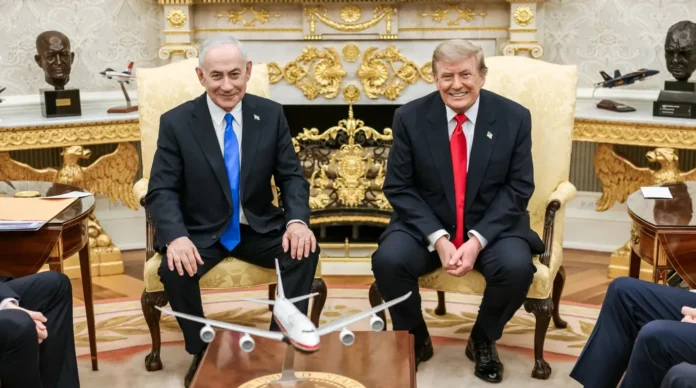
PARIS, October 22, 2026 — An unusual phrase spreading through student demonstrations in France has become a flashpoint in a wider European debate over immigration, Islam, policing and the political use of social unrest. The slogan, “Bismillah, c’est les ténèbres,” has drawn international attention as US President Donald Trump and Israeli Prime Minister Benjamin Netanyahu have linked France’s unrest to immigration and radical Islam, while French President Emmanuel Macron has rejected what he calls misleading and politically motivated claims.
The controversy comes amid a broader wave of demonstrations over rising living costs, education funding, housing pressures and public services. Similar concerns have brought students and teachers onto the streets in Greece, while protests in Albania have taken on a wider anti-government dimension.
The 60-Second Brief
- A viral slogan: “Bismillah, c’est les ténèbres” combines an Arabic religious expression with a French phrase meaning “it is darkness.” Its literal meaning is unclear, but students have adopted it as a satirical protest slogan.
- The source remains unverified: The phrase reportedly appeared in a Snapchat message that students suspected was an attempt to infiltrate protest chat groups. That allegation has not been independently established.
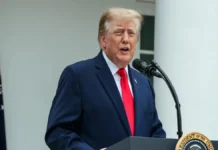
- Trump’s claim: The US president has blamed Muslim migrants for France’s unrest and urged Macron to tighten border controls.
- Macron’s response: The French president has called foreign leaders’ comments “unacceptable” and “stupid,” warning against misinformation and political exploitation.
- A wider European picture: Demonstrations in Greece and Albania highlight anger over education, housing, living costs and governance, though these protests have distinct local causes.
What Does “Bismillah, C’est Les Ténèbres” Mean?
The expression brings together two phrases from different linguistic contexts. “Bismillah,” an Arabic expression meaning “in the name of God,” is commonly used by Muslims before beginning an activity. “C’est les ténèbres” translates roughly as “it is darkness.”
Taken literally, the combination does not convey a clear, coherent message. Its significance comes instead from the circumstances in which it reportedly emerged and the meaning protesters have since attached to it.
Accounts of the slogan trace it to a screenshot of a Snapchat conversation circulated online in early October. In the message, a user reportedly sought access to a group used by students to coordinate demonstrations and school blockades. The wording mixed Arabic expressions, French slang and a reference to breaking things. Some versions also displayed Algerian flag emojis.
Some students suspected the message had been sent by someone attempting to enter the protest movement’s private chats under false pretences. The claim that the account belonged to an undercover police officer has not been verified, and authorities have not publicly confirmed that explanation.
The phrase nevertheless caught on. Protesters began using it ironically, turning what they regarded as an awkward or stereotyped imitation of youth language into a joke about surveillance, policing and official perceptions of young people. It has since appeared on placards and social media, including in demonstrations beyond France.
The distinction matters: the slogan’s popularity does not, by itself, establish the identity or intentions of the person who first posted it.
Trump Blames Immigration; Macron Rejects the Narrative
The debate escalated after Trump argued that immigration, rather than the grievances cited by students and other demonstrators, was behind France’s unrest. He urged Macron to close France’s borders and regain control of the situation.
Macron responded on Wednesday, October 21, accusing foreign leaders of using France’s tense social climate to advance their own political agendas. He described comments by several leaders as “unacceptable” and “stupid.” Asked whether he was referring to Trump, Macron replied that he meant others as well.
The French president also raised concerns about misleading information circulating online, including AI-generated images purporting to show scenes that had not taken place in France. He argued that exaggerated or fabricated portrayals of the unrest risked distorting the public debate.
The disagreement reflects a fundamental difference in how the crisis is being framed. Trump has used the violence to argue for a tougher immigration stance. Macron has said that claims portraying France as overrun by migrants and Islamists are false and that outside political figures should not exploit the situation.
The distinction is important because the demonstrations have included demands related to education, living costs and public services, alongside episodes of violence and looting. Establishing responsibility for individual crimes requires evidence; the actions of some people cannot automatically be attributed to an entire religious or migrant community.
Netanyahu’s Criticism Adds an International Dimension
Israeli Prime Minister Benjamin Netanyahu has also framed France’s unrest as a failure to confront radical Islam. In comments attributed to him in French media, Netanyahu criticised the French government’s response and argued against what he described as appeasement of extremist movements.
He has previously warned European leaders about the security threat posed by armed Islamist groups, invoking the Hamas-led attacks on Israel on October 7, 2023. Such arguments have become part of a wider international debate over terrorism, integration, migration and the limits of state security policy.
Netanyahu’s position also comes against a difficult diplomatic backdrop. France formally recognised the State of Palestine in September 2025, a move opposed by the Israeli government. The timing adds political context to the exchange, although it does not by itself establish the motivation behind any particular statement.
Claims that France’s unrest represents an attack by radical Islam should be treated as political assessments, not as a settled explanation for all the protests or violence. The available accounts point to a mixture of social grievances, public-order concerns and competing political interpretations.
Greece: 10,000 Demonstrate Over Education and Living Costs
The unrest in France has resonated with demonstrators elsewhere in Europe, but shared slogans do not mean every movement has the same cause.
In Athens, around 10,000 students, school pupils and teachers marched on October 21, according to police figures reported by Greek media. Protesters called for greater public investment in education, safer school buildings, better facilities, smaller classes and improved teachers’ pay.
Housing costs have also become a major concern for students, many of whom say available rent support does not match the cost of accommodation. Demonstrators gathered near Parliament and set up tents in Syntagma Square before the march.
One slogan linked the movements directly: “From Greece to France, we want public, free education.”
The demonstrations put pressure on Greece’s government ahead of elections expected in mid-2027. The country has recovered from its 2009–2018 debt crisis, but stagnant wages, rising rents and energy costs continue to weigh on households.
Albania’s Protests Take on a Wider Political Dimension
In Albania, student-led demonstrations in Tirana have merged with broader anti-government anger. Protesters have raised concerns about education, employment, corruption and the cost of living, while some have demanded the resignation of Prime Minister Edi Rama.
Rama has rejected calls to step down and argued that the unrest risks damaging Albania’s ambitions to join the European Union. The demonstrations have included clashes and confrontations with police, making the situation different from the largely peaceful education march reported in Athens.
The Albanian protests underline how economic pressure and distrust in political institutions can turn specific grievances into broader challenges to a government. They should not, however, be treated as evidence that the French slogan or the debate over Islam is driving every protest across the continent.
Why This Controversy Could Shape European Politics
The political stakes extend beyond one phrase. France’s unrest has created an opening for politicians who want to make immigration and national identity central election issues. At the same time, protesters’ demands over schools, housing and living costs challenge governments to address material concerns that cannot be resolved through security measures alone.
Three developments will matter in the weeks ahead:
First, the facts behind the unrest. Investigations into violence, looting, police conduct and misleading online material will help determine which claims stand up to scrutiny.
Second, the government response. Macron’s administration faces pressure to restore public order while responding to legitimate concerns about education, prices and public services. An approach seen as either ineffective or excessively heavy-handed could deepen public frustration.
Third, the political framing. If foreign leaders and domestic parties continue to present the crisis primarily as a story about migration or religion, the debate could intensify divisions. If economic and educational grievances remain central, governments may face greater pressure to deliver practical reforms.
The Bottom Line
“Bismillah, c’est les ténèbres” has become more than an odd phrase circulating online. It is now part of a wider contest over who gets to define France’s unrest: protesters focused on social and economic conditions, authorities confronting violence, or political leaders using the crisis to argue about immigration and Islam.
The controversy is likely to influence Europe’s political debate, particularly where elections are approaching and living costs remain high. But the slogan itself cannot explain the continent’s discontent. The more consequential questions are whether governments can restore public confidence, address the pressures facing younger generations and prevent unverified online claims from hardening into political facts.