US president accuses Ukrainian leader of failing to end the war sooner as Zelensky urges Washington and Europe to maintain pressure on Russia
WASHINGTON | October 20, 2026 | INVC NEWS
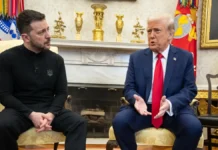
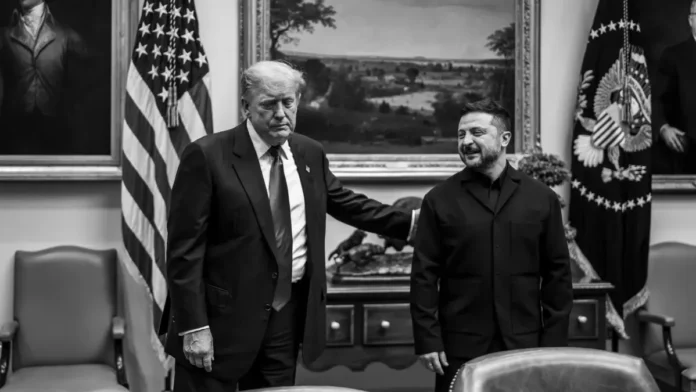
US President Donald Trump has renewed his criticism of Ukrainian President Volodymyr Zelensky, arguing that Ukraine should consider appointing someone else to negotiate an end to its war with Russia. Trump claimed that millions of lives could have been saved if Zelensky had accepted his approach earlier, while accusing the Ukrainian leader of doing too little to bring the conflict to an end.
Speaking to reporters on Monday, Trump said Zelensky should have reached an agreement much earlier and suggested that a different representative might now be better placed to negotiate on Ukraine’s behalf.
“Zelensky is a man who should have had this war settled a long time ago,” Trump said. He added that if Zelensky had listened to him, Ukraine could have secured a better deal earlier and more lives could have been saved.
Trump’s comments mark another public disagreement between Washington and Kyiv over how to end Russia’s full-scale war against Ukraine. The remarks were reported on October 19 and circulated in media coverage on Tuesday, October 20.
Trump Questions Zelensky’s Role in Peace Negotiations
Trump said he supported ending the war but argued that Zelensky was not helping the process sufficiently.
“I’m supporting stopping the war between Russia and Ukraine,” Trump said, adding that he wanted the fighting to end and people to stop dying.
He also suggested that Zelensky did not genuinely want to end the conflict, although he offered no independent evidence to establish that claim.
The US president’s remarks came amid growing disagreements over Washington’s approach to Moscow, including sanctions policy and the conditions under which peace negotiations should proceed.
Trump has argued that additional economic pressure on Russia could discourage Moscow from participating in negotiations. On his Truth Social platform, he said he did not want to take steps that might push Russia away from the negotiating table.
His position reflects an emphasis on keeping diplomatic channels open, even as Ukraine continues to call for stronger measures against Russia.
Zelensky Urges Washington to Increase Pressure on Moscow
Zelensky, meanwhile, has urged the United States and European countries to maintain support for Ukraine and increase pressure on Russia while Russian attacks continue.
He has called on Washington to move forward with the proposed Lindsey Graham sanctions legislation and has asked European partners to sustain their assistance.
Zelensky’s position is that sanctions should remain in place while Russia continues its war and attacks that kill civilians. He has argued that easing economic pressure could weaken efforts to persuade Moscow to end its military campaign.
The disagreement highlights a central divide in the diplomatic debate: Trump has emphasised avoiding measures that could derail negotiations, while Kyiv wants Russia to face greater economic and political costs for continuing the war.
Sanctions Become a Point of Tension
The dispute over sanctions has added to wider tensions between the Trump administration and the Ukrainian government.
Trump has said that his administration is working toward a negotiated settlement and has cautioned against actions that could cause Russia to withdraw from talks. Zelensky, by contrast, has argued that sustained pressure is necessary to prevent Moscow from continuing its military operations without facing additional consequences.
The proposed Lindsey Graham legislation has become part of that debate. Zelensky has called for action on the measure, which is intended to strengthen economic pressure on Russia and those supporting its war effort.
The question is whether Washington can preserve a credible negotiating process while maintaining enough leverage to influence Moscow’s decisions.
War Continues to Take a Heavy Toll
The diplomatic disagreement comes as Russia’s attacks on Ukraine continue to affect civilians and critical infrastructure.
Ukraine has repeatedly appealed for stronger international support, particularly as Russian missile and drone attacks threaten energy facilities and other essential services. Zelensky has maintained that protecting lives must remain the priority and that Ukraine needs continued assistance from its partners.
Trump has cited the human cost of the conflict as a reason to pursue an end to the fighting. However, his assertion that Zelensky does not want the war to end remains his own assessment and is disputed by Kyiv’s continued calls for international support and a negotiated resolution on acceptable terms.
Any agreement would involve difficult questions about territory, security guarantees, sanctions and the future relationship between Ukraine and Russia.
What Happens Next?
Trump’s suggestion that someone else should negotiate on Ukraine’s behalf raises questions about the future of diplomatic efforts and the relationship between Washington and Kyiv. He has also indicated a willingness to consider broader discussions involving Russian President Vladimir Putin and Chinese President Xi Jinping.
No change in Ukraine’s negotiating representation was announced in the remarks cited here. Zelensky remains Ukraine’s president, and the practical implications of Trump’s comments will depend on subsequent diplomatic decisions.
For Kyiv, the immediate priorities remain securing international support, defending the country against Russian attacks and pressing for conditions it considers necessary for a sustainable peace.
The bottom line: Trump says Zelensky missed earlier opportunities to secure a deal and argues that someone else should negotiate for Ukraine. Zelensky is urging Washington and European partners to maintain pressure on Moscow. The disagreement underscores the challenge of ending the war while reconciling diplomatic efforts, Ukraine’s security demands and the continuing human cost of the conflict.