WASHINGTON, United States | September 27, 2026 —
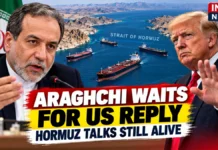
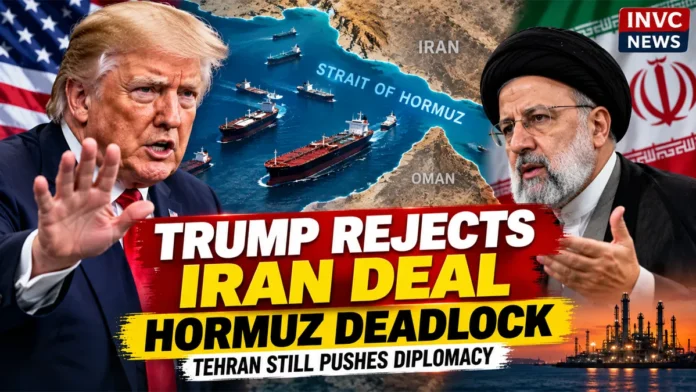
President Donald Trump has rejected an Iranian proposal that sought to reopen the Strait of Hormuz, halt regional fighting and restart negotiations with the United States, but Tehran says it is still waiting for a formal response through mediators and insists that diplomacy remains the only viable way out of the conflict.
Iran had proposed a seven-day roadmap under which the strategic waterway could reopen if Washington met a series of conditions, including easing the naval blockade on Iranian ports, allowing Iranian oil sales, releasing frozen Iranian assets and agreeing to a wider ceasefire framework.
Trump rejected the proposal publicly on Saturday, saying Iran wanted a deal because it was under pressure and arguing that the terms were unacceptable.
Iranian Foreign Minister Abbas Araqchi responded on Sunday by saying Tehran’s conditions remained unchanged and that only a negotiated settlement could resolve the current deadlock.
THE 60-SECOND BRIEF
Iran’s proposal: Reopen the Strait of Hormuz within seven days and resume negotiations.
Trump’s response: Publicly rejected the proposal.
Iran’s conditions: Relief from the U.S. naval blockade, sanctions adjustments, access to frozen assets and a regional ceasefire framework.
Tehran’s position: Diplomacy remains the only workable solution.
Important nuance: Iran says mediators have not yet formally conveyed a definitive U.S. rejection.
Why it matters: The Strait of Hormuz remains central to global oil and gas flows and the wider Middle East conflict.
What Iran Offered
Iran presented the proposal during the United Nations General Assembly in New York and said it transmitted the plan to Washington through Qatari mediators.
The roadmap envisioned reopening the Strait of Hormuz within seven days if the United States agreed to specific conditions.
Those conditions included lifting or easing the U.S. naval blockade of Iranian ports, allowing greater Iranian oil exports, releasing roughly $12 billion in frozen Iranian assets and observing a ceasefire extending beyond Iran to other regional fronts.
Iran also proposed that nuclear negotiations restart after the initial seven-day process.
Trump Says the Deal Is Not Acceptable
Trump rejected the proposal while speaking to reporters at the White House.
He said Iran wanted an agreement because it was under severe pressure and added that while he remained open to a deal, the proposal Tehran had put forward was unacceptable.
His comments made clear that Washington was not prepared to accept Iran’s package in its current form.
Iran Says It Is Still Waiting for a Formal Answer
Despite Trump’s public rejection, Iran says the diplomatic process is not formally over.
Foreign Minister Abbas Araqchi said the mediators handling the talks had not yet conveyed a definitive U.S. response to Tehran.
Iran therefore continues to wait for an official message before deciding its next move.
Araqchi also said Iran’s conditions for reopening the Strait of Hormuz remained unchanged.
Tehran Says Only Negotiations Can Break the Deadlock
Iran’s leadership continues to argue that military pressure will not resolve the conflict.
Araqchi said only a negotiated settlement could break the current impasse.
President Masoud Pezeshkian has also said Iran remains prepared for diplomacy, although he has expressed deep distrust of Washington after previous negotiations were followed by renewed military pressure and sanctions.
Why the Strait of Hormuz Matters So Much
The Strait of Hormuz is one of the most strategically important shipping routes in the world.
A major share of global oil and liquefied natural gas exports passes through the narrow waterway linking the Persian Gulf with the Gulf of Oman.
Any prolonged disruption can affect tanker traffic, shipping costs, insurance rates and global energy prices.
That is why reopening Hormuz has become one of the central issues in U.S.-Iran negotiations.
The Proposal Was Designed as a Phased Deal
Recent negotiations between U.S. and Iranian representatives have focused on a phased arrangement rather than a single comprehensive agreement.
The concept under discussion involved Iran reopening the Strait of Hormuz while Washington gradually eased parts of its blockade and sanctions regime.
Nuclear negotiations would then resume as part of a broader political settlement.
The discussions show that both sides had been exploring mechanisms to reduce immediate tensions before trying to resolve larger disputes.
Why Washington Rejected the Terms
Trump has not accepted Iran’s conditions as presented.
The administration has maintained pressure on Tehran and has resisted proposals that it believes would give Iran sanctions relief or strategic concessions without sufficient guarantees.
Iran, meanwhile, argues that reopening the strait cannot happen without reciprocal U.S. steps.
The result is a classic negotiating deadlock: both sides say they are open to talks, but neither accepts the other side’s starting conditions.
Iran Says the Waterway Can Reopen Quickly
Tehran says the Strait of Hormuz could reopen within seven days if an agreement is reached.
Iranian officials argue that the closure or restriction of shipping is connected to U.S. military pressure and the blockade of Iranian ports.
Pezeshkian has said normal commercial passage could resume if negotiations produce an end to hostilities.
Washington Is Also Looking Beyond Hormuz
The United States is separately exploring ways to reduce the global energy system’s dependence on the Strait of Hormuz.
The Trump administration has proposed a multibillion-dollar infrastructure initiative with Gulf states aimed at rebuilding energy facilities and developing alternative export routes.
That strategy reflects Washington’s broader concern that future crises involving Iran could again disrupt one of the world’s most important energy corridors.
The Regional Conflict Remains the Bigger Problem
The Hormuz dispute cannot be separated from the wider conflict involving the United States, Iran, Israel and armed groups across the region.
Tehran’s proposal included provisions connected to fighting beyond Iran itself, including Lebanon and Yemen.
That makes negotiations more difficult because any agreement may require coordination across several conflicts and multiple governments.
A deal limited only to shipping may therefore be easier to negotiate than a broader regional ceasefire.
Qatar Remains a Key Mediator
Qatar has played an important role in transmitting proposals between Washington and Tehran.
Iran says its seven-day plan was delivered to the United States through Qatari mediators.
The continued use of intermediaries indicates that direct U.S.-Iran diplomacy remains limited even though both sides continue communicating indirectly.
Nuclear Talks Could Still Return
Iran has linked reopening Hormuz to renewed talks over its nuclear program.
Tehran has repeatedly said it is willing to discuss nuclear issues but will not negotiate under military pressure.
Washington continues to seek restrictions and monitoring that would prevent Iran from obtaining a nuclear weapon.
The nuclear question therefore remains closely linked to any broader ceasefire or maritime agreement.
What Happens Next?
Three developments now matter most.
First, the formal U.S. response. Iran says it is still waiting for mediators to deliver Washington’s definitive position.
Second, the Strait of Hormuz. Any change in shipping access would immediately affect regional tensions and global energy markets.
Third, renewed negotiations. Qatar and other mediators may attempt to narrow the gap between the two sides rather than abandon talks entirely.
For now, however, the core disagreement remains unresolved.
INVC NEWS Bottom Line
President Donald Trump has rejected Iran’s seven-day proposal to reopen the Strait of Hormuz and move toward a broader settlement.
But Tehran is not treating the diplomatic process as finished.
Iran says it is still waiting for a formal U.S. response through mediators and continues to argue that only negotiations can end the current confrontation.
The next phase will depend on whether Washington and Tehran can find a narrower compromise on Hormuz — or whether the dispute returns primarily to military and economic pressure.