WASHINGTON, August 10, 2026
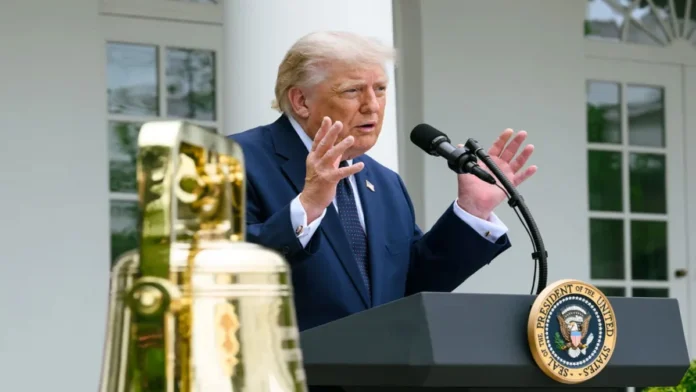
US economic pressure on Iran will eventually force Tehran to make concessions at the negotiating table, according to Mike Waltz, the United States ambassador to the United Nations, who says financial sanctions and restrictions on access to revenue are proving more difficult for Iran than military attacks.
Waltz said the economic campaign led by Treasury Secretary Scott Bessent was having a “devastating” effect on Iran’s economy. He argued that Iranian negotiators were increasingly focused on obtaining cash, recovering frozen assets and gaining access to other financial resources.
Speaking in a television interview, Waltz claimed Tehran could withstand continued bombing more easily than a prolonged financial squeeze. Iranian representatives, he said, repeatedly emphasized “cash, cash, cash” during negotiations.
His comments presented the Trump administration’s assessment of Iran’s negotiating position. They did not constitute confirmation that Tehran had accepted American demands or agreed to make specific concessions.
Meanwhile, Democratic Senator Chris Murphy offered a sharply different assessment of the conflict. Murphy said President Donald Trump had “lost this war” and argued that the United States should accept even an unfavorable agreement if it could end the fighting and restore reliable commercial passage through the Strait of Hormuz.
Key Positions in the Latest US-Iran Debate
| Official | Position |
|---|---|
| Mike Waltz | Economic sanctions and financial restrictions will eventually force Iran to change its negotiating position |
| Scott Bessent and US Treasury | Sanctions are targeting Iranian revenue, oil networks, overseas assets, digital finance and shadow banking |
| Chris Murphy | The continuing war is weakening the United States, strengthening Iran and increasing costs for American consumers |
| Iranian government | Tehran says it supports negotiations but will not surrender its national rights or negotiate solely under pressure |
| Iranian Foreign Ministry | Technical talks with Oman over a safe commercial navigation corridor through Hormuz are continuing |
Waltz Says Iranian Negotiators Are Focused on Cash
Waltz said Iranian officials were seeking access to funds and assets that remain unavailable because of US sanctions and financial restrictions.
According to the ambassador, Tehran’s principal concerns include its weakening currency, high inflation and restricted access to foreign financial resources.
He argued that Iranian leaders were more alarmed by the consequences of Bessent’s financial strategy than by the prospect of additional military action directed by Defense Secretary Pete Hegseth.
Waltz also accused Iran’s leadership of placing the survival of the governing system and its access to money above the welfare of its military personnel and civilian population. That allegation represented Waltz’s political assessment and was not independently established by the remarks themselves.
The central argument behind his comments is that military attacks may damage physical infrastructure, while sustained financial restrictions can affect the government’s ability to move money, maintain trade relationships, support state institutions and finance military operations.
What Is Operation Economic Fury?
The Trump administration’s financial campaign against Iran is known as Operation Economic Fury.
The program uses sanctions and financial-enforcement measures to restrict Iran’s ability to generate, transfer and recover funds. It has targeted oil revenue, shipping networks, foreign intermediaries, digital-asset exchanges, procurement networks and financial institutions accused by Washington of assisting sanctioned Iranian entities.
The US Treasury Department says the campaign is designed to prevent Iran from generating, moving or repatriating funds. Treasury has claimed that its actions have blocked or disrupted access to revenue worth tens of billions of dollars.
Those figures are US government estimates and should be understood as part of Washington’s official assessment of the sanctions campaign.
Treasury has also sanctioned individuals and companies that it says supported weapons procurement for the Islamic Revolutionary Guard Corps and Iran’s Ministry of Defense and Armed Forces Logistics.
A separate Treasury action announced in July targeted a network associated with Iranian financier Babak Zanjani. At the time, Bessent said Iran was paying a significant economic price and pointed to pressure on the rial and inflation.
How Economic Pressure Is Intended to Affect Negotiations
Economic sanctions attempt to create diplomatic leverage by increasing the financial cost of refusing an agreement.
In Iran’s case, Washington is seeking to restrict access to oil revenue, foreign currency, international banking channels and overseas assets. Secondary sanctions may also discourage foreign companies and financial institutions from conducting transactions involving sanctioned Iranian businesses.
The strategy assumes that sustained economic pressure will eventually make a negotiated settlement less costly for Tehran than continued resistance.
Waltz believes that point is approaching. His remarks suggest that US officials interpret Iran’s requests concerning cash and frozen assets as evidence that sanctions are affecting its negotiating calculations.
However, economic distress does not automatically produce political concessions. Iran could pursue alternative trade routes, deepen economic relationships with countries outside the US sanctions system or decide that accepting American conditions would create greater political risks for its leadership.
The eventual result will depend on the terms offered, Iran’s domestic calculations and whether both sides believe an agreement is more beneficial than continued confrontation.
Iran Says It Supports Dialogue but Will Defend Its Rights
Iranian President Masoud Pezeshkian has publicly acknowledged the importance of negotiations while rejecting the idea that Tehran will abandon what it considers its national rights.
In an official statement issued on August 8, Pezeshkian said conditions provided an opportunity to pursue an agreement through dialogue. He added that Iran wanted a political solution but would not compromise its national interests.
The Iranian president said lasting disputes could not be resolved through warfare alone and called for negotiations based on mutual steps.
His comments indicate that Tehran remains open to diplomacy even as it disputes the US argument that sanctions will force it to accept Washington’s terms.
Iran has also been developing alternative commercial routes and expanding economic cooperation through regional and multilateral organizations in an effort to reduce its vulnerability to sanctions and wartime restrictions.
Chris Murphy Says Trump Has ‘Lost This War’
Senator Chris Murphy rejected the administration’s contention that continued pressure was strengthening the United States’ negotiating position.
Murphy said the prolonged conflict had weakened Washington while allowing Tehran to demand increasingly costly terms. He argued that delays in reaching an agreement were raising the economic and strategic price of restoring navigation through the Strait of Hormuz.
The Connecticut Democrat said he would support a deal to end the conflict and restore passage through the strait—even if he considered that agreement a “bad deal.”
Murphy’s statement did not indicate support for Iran’s policies. Instead, he argued that continuing the conflict would produce an even less favorable outcome for the United States.
He warned that the war was increasing prices for American consumers and putting pressure on fuel-dependent industries. In Murphy’s assessment, every additional day of fighting leaves the United States weaker and Iran stronger.
Murphy Has Repeatedly Raised Economic Concerns
Murphy’s latest remarks are consistent with concerns he previously raised in the US Senate.
In an April Senate statement, he argued that disruption in energy markets was increasing fuel, fertilizer and transportation costs.
He also criticized the conflict’s authorization and called for greater congressional oversight.
In another official Senate statement on the economic costs of the war, Murphy said American consumers, small businesses and farmers were carrying much of the financial burden.
The Trump administration disputes Murphy’s broader conclusion and maintains that the combination of sanctions, military pressure and diplomatic isolation has given Washington additional negotiating leverage.
Strait of Hormuz Remains Central to Negotiations
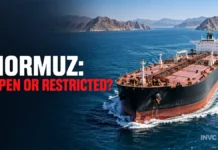
The future of commercial navigation through the Strait of Hormuz remains one of the most important issues in the dispute.
The waterway connects the Persian Gulf with the Gulf of Oman and international shipping routes. Disruption or uncertainty affecting vessel traffic can influence oil markets, maritime insurance, freight costs and global supply chains.
Murphy described reopening the strait as an urgent objective and argued that the price of an agreement was increasing as negotiations failed to deliver a settlement.
Iran has offered a different description of the diplomatic process. Its Foreign Ministry said talks with Oman had been underway for approximately two months to establish a safe navigation corridor for commercial shipping.
According to an August 5 Iranian Foreign Ministry statement, technical, legal, security and environmental aspects of the proposed arrangement had been reviewed.
Iran described those discussions as moving forward and said the geographical parameters of a proposed route had been agreed upon. However, Tehran also said an Iran-Oman understanding alone would not guarantee safe passage while the US blockade and other security disputes remained unresolved.
Murphy and the Iranian government are therefore offering different assessments: Murphy portrays negotiations as failing to produce meaningful progress, while Tehran says technical discussions with Oman continue.
Why Frozen Assets Matter to Iran
Frozen assets can include money or property blocked under sanctions or held within financial systems where transfers cannot proceed without authorization.
Access to such assets could provide Iran with additional foreign currency and improve its ability to pay for imports, stabilize domestic financial operations or support government expenditures.
For Washington, maintaining restrictions on those assets creates bargaining leverage. Releasing or permitting access to funds could become part of a negotiated agreement, potentially tied to security, nuclear, maritime or regional commitments.
Waltz’s emphasis on Iran’s requests for cash suggests that financial relief may be among Tehran’s priorities. The exact requests under discussion, however, have not been fully detailed in the public statements addressed here.
Two Competing Strategies for Ending the Conflict
The debate between Waltz and Murphy reflects two competing approaches.
Waltz supports maintaining pressure until Iran concludes that accepting US conditions is its least damaging option. Under this approach, easing sanctions too early could reduce Washington’s leverage.
Murphy argues that continued fighting is already making the eventual agreement more expensive. In his view, accepting an imperfect settlement now could be less damaging than allowing the conflict, supply disruptions and consumer costs to continue.
Neither position guarantees an agreement.
Economic pressure could encourage compromise, but it could also harden Iran’s position. Similarly, accepting unfavorable terms could end immediate hostilities while leaving unresolved disputes over sanctions, maritime security, Iran’s military capabilities and regional alliances.
What Happens Next?
The next phase will depend on progress across several interconnected issues:
- Access to Iranian funds and frozen assets
- The future of US economic sanctions
- Restrictions affecting Iranian oil and financial networks
- The US blockade and maritime-security arrangements
- Safe commercial passage through the Strait of Hormuz
- Iran’s military and nuclear programs
- The terms and verification provisions of any ceasefire or wider agreement
Waltz’s comments indicate that the Trump administration is prepared to keep relying on economic pressure while negotiations continue.
Murphy’s response demonstrates growing political pressure in Washington for a faster settlement, even if the resulting agreement falls short of US objectives.
Tehran, meanwhile, says it supports a political solution but will not accept a settlement that disregards its stated rights and interests.