NEW DELHI | August 2, 2026
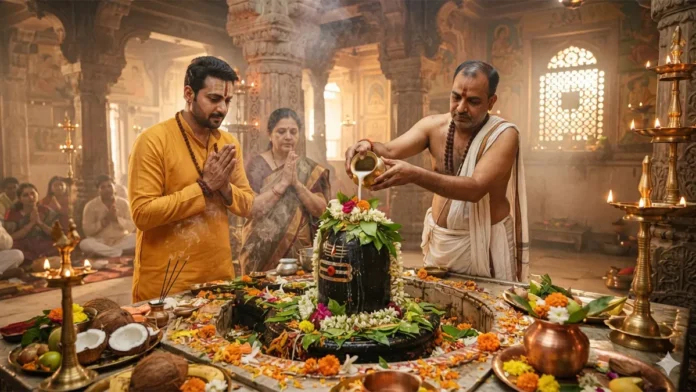
Sawan First Somwar 2026 will be observed on Monday, August 3, 2026, marking one of the most sacred days in the Hindu calendar dedicated to Lord Shiva. Devotees across India observe a day-long fast, perform Jalabhishek (holy water offering), chant Shiva mantras, and visit temples seeking blessings for prosperity, good health, successful marriages, and fulfillment of heartfelt wishes.
According to Pandit Ajay Kaushik, worshipping Lord Shiva with devotion on the first Monday of the holy month of Shravan is believed to remove obstacles, bring peace and harmony, and bless devotees with spiritual growth and family well-being.
Sawan First Somwar 2026: Auspicious Puja Timings
Brahma Muhurat
4:19 AM – 5:01 AM
This sacred early morning period is considered one of the most favorable times for meditation, Shiva worship, and beginning the fast.
Abhijit Muhurat
12:00 PM – 12:54 PM
An auspicious midday period ideal for performing Shiva Abhishek and offering prayers.
Pradosh Kaal
6:26 PM – 7:56 PM
Pradosh is regarded as one of the most significant times for Lord Shiva worship. Special prayers and evening aarti performed during this period are believed to bring divine blessings.
Nishita Kaal
11:33 PM – 12:21 AM
Devotees seeking Lord Shiva’s grace for spiritual growth and fulfillment of wishes may also offer prayers during this late-night auspicious period.
What Should You Offer to Lord Shiva on the First Sawan Monday?
Traditional scriptures recommend offering the following items while performing Shiva Abhishek:
- Holy Ganga water (Gangajal)
- Clean drinking water
- Fresh Bel (Bilva) leaves (ensure they are not torn)
- Shami leaves
- Bhang
- Datura flowers or fruit
- Raw milk
- Honey
- Sandalwood paste
- Akshat (unbroken rice)
- Sesame seeds
- Fresh seasonal fruits
- Incense and ghee lamp
Devotees believe these sacred offerings symbolize purity, devotion, and surrender before Lord Shiva.
Sawan First Somwar 2026 Puja Vidhi (Step-by-Step Rituals)
Follow these traditional steps while observing the first Sawan Monday fast:
1. Clean the Puja Area
Wake up early, take a holy bath, wear clean clothes, and purify the worship area.
2. Take the Vrat Sankalp
Offer prayers to Lord Shiva and formally take the vow to observe the fast with sincerity.
3. Perform Jalabhishek
Offer clean water and Gangajal to the Shiva Lingam while chanting “Om Namah Shivaya.”
4. Perform Panchamrit Abhishek
Prepare Panchamrit using milk, curd, honey, ghee, and sugar, and bathe the Shiva Lingam with it.
5. Chant Shiva Mantras
Recite “Om Namah Shivaya” at least 108 times during the Abhishek.
6. Offer Sacred Items
Offer:
- 21 Bel leaves
- Shami leaves
- Bhang
- Datura
- Sandalwood
- Akshat
- Sesame seeds
- Fruits and grains
7. Worship the Shiva Family
Offer:
- Sindoor and traditional marital items to Goddess Parvati
- Durva grass to Lord Ganesha
8. Perform Shiva Aarti
Light a ghee lamp and conclude the worship with Shiva Aarti and prayers for peace and prosperity.
Important Fasting Rules for Sawan Monday
Devotees observing the fast are advised to follow these traditional guidelines:
- Begin the day with a holy bath and clean attire.
- Consume only satvik (pure vegetarian) food if observing a partial fast.
- Avoid anger, arguments, and negative thoughts.
- Maintain self-discipline and purity throughout the day.
- Offer Bel leaves during Shiva worship.
- Donate food, clothes, or essential items to the needy after completing the puja.
- Avoid oversleeping or sleeping during the daytime.
- Observe the fast with devotion rather than ritual alone.
Spiritual Significance of the First Sawan Monday
According to Hindu tradition, the month of Shravan (Sawan) is especially dear to Lord Shiva. It is believed that Goddess Parvati performed intense penance during this sacred month to win Lord Shiva as her husband. As a result, Mondays during Shravan are considered highly auspicious for devotees seeking:
- Marriage blessings
- Harmony in relationships
- Good health
- Financial stability
- Career growth
- Mental peace
- Fulfillment of wishes
Many devotees also undertake Rudrabhishek, Shiva Chalisa recitation, and Mahamrityunjaya Mantra chanting throughout the holy month.
Shiva Mantras to Chant
Maha Mrityunjaya Mantra
Om Tryambakam Yajamahe Sugandhim Pushtivardhanam
Urvarukamiva Bandhanan Mrityor Mukshiya Maamritat.
Panchakshari Mantra
Om Namah Shivaya
Shiva Gayatri Mantra
Om Tatpurushaya Vidmahe Mahadevaya Dheemahi
Tanno Rudrah Prachodayat.
Reference Links
Official Sources
- Ministry of Culture, Government of India
https://indiaculture.gov.in/ - National Portal of India – Festivals & Culture
https://www.india.gov.in/
Additional Religious References
- ISKCON Educational Resources
https://iskconeducationalservices.org/ - Britannica – Shiva
https://www.britannica.com/topic/Shiva