WASHINGTON, D.C. | August 2, 2026
US Missile Stockpile Warning has emerged as a major defense concern after reports indicated that a senior U.S. military commander cautioned Pentagon officials about mounting pressure on America’s missile defense resources during the ongoing conflict involving Iran.
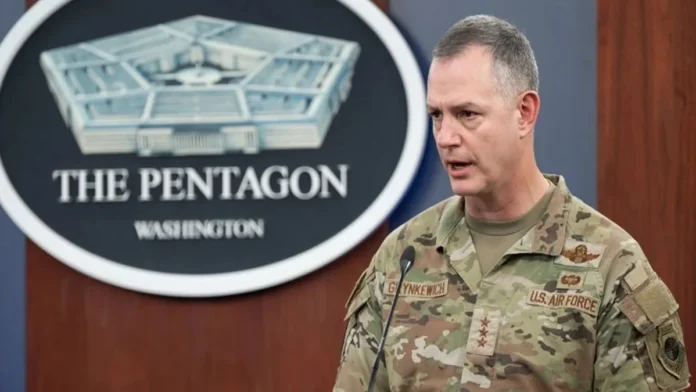
According to reports, Gen. Alexus Grynkewich, Commander of U.S. European Command (EUCOM), has warned that the U.S. Navy may soon face difficult operational choices if additional naval assets are not deployed to the Middle East. The reported warning comes as U.S. forces continue supporting regional missile defense operations amid the prolonged conflict.
General Reportedly Requests Additional Navy Destroyer
According to reports citing officials familiar with the matter, Gen. Grynkewich requested the deployment of another U.S. Navy guided-missile destroyer to the Mediterranean region.
The reported concern is that, without additional naval resources, the United States could eventually face difficult decisions about allocating missile-defense capabilities between protecting U.S. homeland interests and supporting regional allies such as Israel.
Officials also noted that requests for additional military assets are not unusual during active operations and form part of routine defense planning.
Missile Defense Systems Reportedly Under Pressure
Defense analysts have expressed concern that sustained operations have increased demand for several advanced missile-defense systems.
Reports indicate pressure on inventories that include:
- THAAD interceptors
- Patriot air-defense missiles
- SM-3 and SM-6 interceptors
- Tomahawk cruise missiles
- Joint Air-to-Surface Standoff Missiles (JASSM)
- Precision Strike Missile (PrSM)
Some independent defense assessments have suggested that replenishing certain precision-guided weapons could require several years because of complex manufacturing timelines and production capacity.
U.S. Forces Have Played a Major Defensive Role
According to reports, U.S. naval forces have played a significant role in intercepting ballistic missile threats during the conflict, including those directed toward regional allies.
Guided-missile destroyers equipped with advanced radar and interceptor systems have become central components of regional missile-defense operations.
Why Naval Resources Matter
Modern U.S. Navy destroyers perform multiple strategic missions simultaneously, including:
- Ballistic missile defense
- Air-defense operations
- Maritime security
- Protection of commercial shipping
- Support for allied defense operations
Because these ships operate continuously during periods of conflict, maintenance schedules and fleet readiness can become increasingly challenging over time.
Experts Warn About Long-Term Readiness
Defense experts note that advanced interceptor missiles require sophisticated manufacturing processes and cannot be replaced quickly.
If military operations continue at a high operational tempo, replenishing inventories may take years rather than months, potentially affecting readiness for future crises.
Potential Strategic Challenges
Analysts say that if additional security crises emerge elsewhere while Middle East operations continue, U.S. military planners could face increased pressure in balancing global commitments.
Military officials have not announced any immediate operational changes, but the reported discussions highlight the importance of maintaining sufficient naval and missile-defense capacity across multiple regions.
Conclusion
The reported US Missile Stockpile Warning underscores the logistical and strategic challenges that can arise during prolonged military operations. While no official announcement has indicated an immediate reduction in U.S. defensive capabilities, reports suggest senior military leaders are seeking additional resources to sustain regional operations and preserve long-term readiness.
Reference Links
- U.S. Department of Defense: https://www.defense.gov/
- U.S. European Command (EUCOM): https://www.eucom.mil/
- Center for Strategic and International Studies (CSIS): https://www.csis.org/