
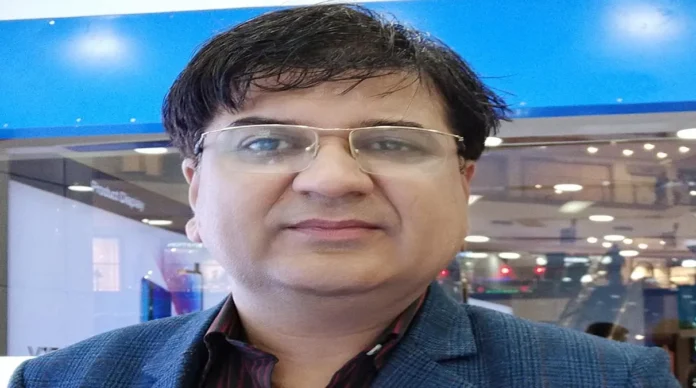
Geneva, October 17, 2026: Prof. D. P. Sharma, identified in the announcement as a UNESCO lead author and international digital diplomacy expert, has been selected among seven fellows for the 2026 Internet Governance Forum (IGF) fellowship program focused on accessibility and disability inclusion.
The selection follows a competitive process that attracted more than 230 applications from around the world. It highlights the importance of ensuring that people with disabilities can participate meaningfully in digital life and in decisions shaping the future of the internet.
The fellowship is associated with the Internet Governance Forum’s Dynamic Coalition on Accessibility and Disability (DCAD), which works to bring accessibility and disability inclusion into global internet governance discussions.
Seven Fellows Selected From More Than 230 Applicants
The 2026 selection brings together seven participants with different backgrounds and perspectives. The official DCAD announcement lists Durga Prasad Sharma among the selected fellows and says the group will take part in DCAD sessions at IGF 2026.
According to DCAD, the fellows are expected to participate in discussions on accessibility and disability inclusion, complete the Internet Society’s online course on disability leadership in internet governance and digital rights, and report on their participation and subsequent engagement in internet governance.
The selection process was competitive, with limited funding available for applicants seeking support to participate in the international forum.
Why Digital Accessibility Matters
Digital accessibility is increasingly important as education, employment, public services, banking and communication move online. Websites, mobile applications and digital platforms that are not designed for different access needs can exclude people with disabilities from essential services and opportunities.
Accessibility involves more than providing an internet connection. Digital services also need to be usable by people with different physical, sensory and cognitive needs. This can include compatibility with screen readers, keyboard navigation, captions, accessible documents, clear interface design and support for assistive technologies.
The issue has gained further urgency as artificial intelligence and other emerging technologies become more widely used. If accessibility is not considered during design and development, new systems may reproduce existing barriers or create additional forms of digital exclusion.
Sharma’s Expected Role in Global Policy Discussions
The announcement describes Sharma as an academic and digital diplomacy specialist whose work spans digital technology, inclusive development, internet governance and responsible artificial intelligence.
His expected participation in DCAD sessions is intended to contribute to international discussions about digital democracy, accessibility, disability rights and inclusive internet governance.
These discussions bring together policymakers, researchers, technology specialists, civil society groups and advocates working to ensure that people with disabilities have a meaningful voice in decisions about digital systems and online services.
The fellowship aims to strengthen participants’ leadership, expertise and advocacy by supporting their engagement with international policy discussions. It also provides an opportunity to connect academic research with practical approaches to digital inclusion.
An International Academic and Research Background
The supplied announcement describes Sharma as an international academic, researcher and digital diplomacy expert who has worked with United Nations agencies in lead-author, advisory and research roles.
It also says he has contributed to research advisory activities involving universities in Ethiopia, France, Kenya, Belgium, Germany, South Africa and India.
According to the announcement, his research and publications cover emerging technologies, artificial intelligence, digital transformation and digital governance. It cites more than 25 years of experience in computing and information technology, along with research publications and books focused on the responsible, ethical and inclusive use of technology.
These professional-background details are drawn from the announcement and should be confirmed against the relevant institutional biographies and publication records before independent publication as verified credentials.
Vint Cerf and Google Support the Fellowship
DCAD has acknowledged support from internet pioneer Vint Cerf and Google LLC for its 2026 fellowship program. The initiative is designed to help people with disabilities and disability advocates participate in the Internet Governance Forum and related digital policy discussions.
Participation support can help address practical barriers, including travel, accommodation, sign-language interpretation, personal assistance and costs associated with remote participation.
The broader objective is to ensure that disability perspectives are represented in global internet governance, rather than treated as a separate or secondary issue. Meaningful participation can help policymakers and technology developers identify accessibility barriers and consider more inclusive approaches when designing digital services.
What IGF 2026 Could Mean for Digital Inclusion
The 2026 Internet Governance Forum is scheduled to take place in Nairobi, Kenya, from December 14 to 18. Its discussions will provide an international setting for stakeholders to examine questions affecting the future of the internet.
For digital accessibility advocates, the challenge is to translate broad commitments into practical improvements: accessible public-service platforms, inclusive online education, fairer digital employment opportunities, stronger protection of digital rights and more accountable AI systems.
The participation of disability advocates and accessibility specialists can help ensure that these concerns are considered across internet governance discussions, including those involving emerging technologies, privacy and security.
The Bottom Line
Prof. D. P. Sharma’s inclusion among the seven IGF 2026 fellows places digital accessibility and disability inclusion at the center of his planned international engagement. The fellowship offers an opportunity to contribute to discussions on how the internet and emerging technologies can become more accessible, inclusive and equitable.
As digital services continue to shape everyday life, meaningful participation by people with disabilities will remain essential to building a digital future that serves a wider range of users.