New Delhi, India | October 25, 2026 – India is set to host the 12th BRICS Parliamentary Forum on October 26–27, bringing parliamentary leaders from BRICS member and partner countries to New Delhi for discussions on people-centric development, institutional resilience, ethical artificial intelligence and global governance reform.
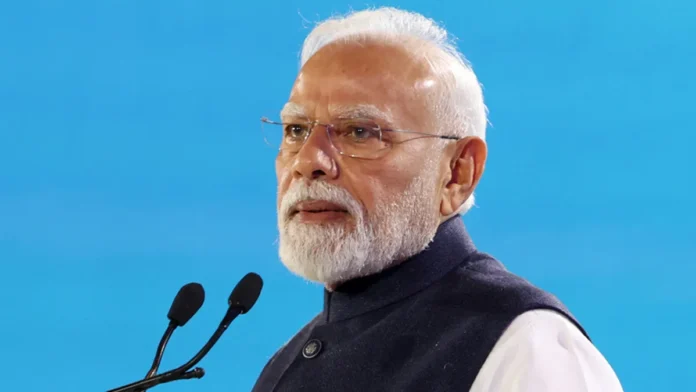
The two-day conference will take place in the Central Hall of Samvidhan Sadan, the former Parliament building, under India’s chairship. Prime Minister Narendra Modi is scheduled to attend the event and meet the leaders of visiting delegations, Lok Sabha Speaker Om Birla has announced.
The gathering comes as countries face shared challenges involving technological change, sustainable development, international cooperation and the effectiveness of public institutions. The forum will provide a platform for parliamentary leaders to exchange views, discuss common priorities and explore ways to strengthen cooperation between legislatures.
Russia’s State Duma Chairman Vyacheslav Volodin has already arrived in New Delhi to participate in the meeting, according to the Russian Embassy in India.
What Is the 12th BRICS Parliamentary Forum?
The BRICS Parliamentary Forum brings together legislators and parliamentary leaders from member and partner countries to discuss issues of mutual interest and strengthen cooperation between their legislatures.
India is hosting the 12th edition under its chairship, with the central theme “Strengthening Parliaments for People-Centric Development.”
Announcing the programme at a press conference on October 22, Om Birla described the event as an important chapter in India’s parliamentary diplomacy. The gathering is expected to include presiding officers of parliaments, parliamentary leaders, Union ministers, members of Parliament, representatives of state legislatures and other dignitaries.
The conference will be inaugurated on Monday, October 26, and conclude on Tuesday, October 27.
The agenda is designed to examine how parliaments can help make public institutions more effective, promote inclusive development and respond to emerging global challenges.
PM Modi to Meet Visiting Parliamentary Leaders
Prime Minister Narendra Modi is scheduled to attend the forum and interact with the heads of visiting delegations, according to the Lok Sabha Speaker’s announcement.
The programme will include bilateral and multilateral meetings involving visiting parliamentary leaders and parliamentary friendship groups. These discussions are expected to provide opportunities for countries to exchange perspectives on legislative practices, institutional cooperation and shared policy challenges.
The forum will also feature high-level plenary sessions, parallel meetings and cultural programmes. Vice-President C. P. Radhakrishnan is scheduled to host a banquet in honour of the visiting dignitaries.
The presence of parliamentary leaders from different countries is intended to strengthen dialogue beyond formal government-to-government engagement, giving legislators an opportunity to discuss issues that affect citizens and national development.
Four Major Themes Will Shape the Discussions
The forum will organise its deliberations around four broad areas: resilience, innovation, cooperation and sustainability.
1. Resilience: Strengthening institutions
Discussions under this theme will focus on the role of parliaments in building strong institutions and supporting a secure and prosperous future. The emphasis will be on how legislatures can improve their functioning and respond to changing social, economic and geopolitical circumstances.
2. Innovation: Ethical AI and digital transformation
Artificial intelligence and digital technologies are changing governance, public services and the way institutions operate. Delegates will discuss human-centred innovation, the ethical use of AI and the role parliaments can play in shaping responsible approaches to emerging technologies.
3. Cooperation: Reforming global governance
The cooperation agenda will examine how parliamentary engagement can contribute to a more representative system of global governance. Delegates will have an opportunity to discuss international collaboration and ways to strengthen dialogue on shared challenges.
4. Sustainability: Inclusive and long-term development
The sustainability sessions will consider how parliaments can support development that is inclusive and sustainable over the long term. The discussions will address the role of legislative institutions in shaping policies that respond to citizens’ needs while considering future generations.
Together, these themes place the emphasis on how parliamentary institutions can translate international dialogue into more effective governance and people-focused development.
India Expands Parliamentary Friendship Groups
India is also using the forum to strengthen parliamentary engagement beyond the BRICS grouping.
Birla said India had initiated the formation of parliamentary friendship groups with 64 countries. These groups are intended to provide channels for regular engagement between Indian parliamentarians and their counterparts abroad.
According to the Speaker, the initiative represents a broad effort to expand parliamentary relationships, including in countries where similar bilateral parliamentary platforms already exist.
The initiative is significant because parliamentary diplomacy can complement formal diplomatic channels. Legislators can exchange experiences on lawmaking, committee work, public accountability and the implementation of policies affecting citizens.
Birla also said suggestions had been received from 18 countries ahead of the forum. These submissions are expected to inform the discussions.
Delegations to Finalise a Joint Statement
Preparations for the main conference began before the formal opening. A meeting of delegation secretaries was scheduled for October 25 to finalise the proposed joint statement of the 12th BRICS Parliamentary Forum.
The statement is expected to reflect the discussions and areas of common ground identified by participating delegations. Whether all participants agree on every issue will depend on the negotiations and the final text.
The programme will also include a special meeting of the chairpersons of international affairs committees from BRICS member and partner parliaments. The meeting will focus on parliamentary diplomacy, capacity-building and the exchange of best practices.
These engagements are intended to extend cooperation beyond the two-day event by creating opportunities for continued exchanges between parliamentary institutions.
Why the Forum Matters
The forum provides India with an opportunity to bring parliamentary representatives together around issues that cross national borders. Ethical AI, digital transformation, institutional resilience and sustainable development all raise questions that individual countries may approach differently but cannot always address in isolation.
Parliamentary dialogue can help participating countries compare legislative experiences and identify areas where cooperation may be possible. It can also create channels for discussing disagreements while maintaining institutional contact.
For India, hosting the meeting adds a parliamentary dimension to its wider engagement with BRICS member and partner countries. The outcome will depend not only on the discussions held in New Delhi but also on whether the commitments and ideas emerging from the forum lead to sustained cooperation.
What Happens Next?
The forum opens on October 26, with the inauguration and high-level deliberations scheduled to take place in Samvidhan Sadan. Delegations will discuss the four main themes, hold bilateral and multilateral meetings and work towards a joint statement.
The conference is scheduled to conclude on October 27.
The key indicators of its outcome will include the substance of the final statement, the areas where participants reach consensus and the practical steps identified for future parliamentary cooperation.
For India, the two-day forum is an opportunity to advance parliamentary diplomacy while placing people-centric development, responsible technology and stronger institutions at the centre of international dialogue.