New Delhi, October 25, 2026: Delhi’s business community has urged Congress leader and Leader of the Opposition in the Lok Sabha Rahul Gandhi to postpone the INDIA bloc’s proposed November 1 rally at Ramlila Maidan, warning that traffic restrictions and access problems could disrupt business worth an estimated ₹10,000 crore during the crucial festive shopping season.
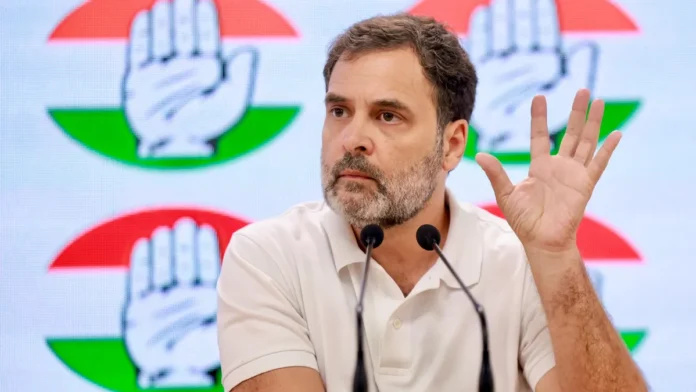
The Chamber of Trade and Industry (CTI), a traders’ organisation in Delhi, has written to Rahul Gandhi requesting that the rally be rescheduled to a date after November 10, which is Bhai Dooj this year. The organisation says the proposed event could affect wholesale and retail markets across central Delhi just days before Dhanteras and Diwali, when businesses typically experience a surge in customer demand.
The rally is planned as part of the INDIA bloc’s protest against the Special Intensive Revision (SIR) of electoral rolls and Chief Election Commissioner Gyanesh Kumar. The traders’ appeal focuses on the potential economic consequences of holding a large political gathering during the peak shopping period.
Why Traders Want the Rally Postponed
In its letter, CTI chairman Brijesh Goyal highlighted the importance of the festive season for Delhi’s retailers, wholesalers and suppliers. Dhanteras falls on November 6, Diwali on November 8 and Bhai Dooj on November 10, making the days leading up to these festivals particularly important for businesses.
The organisation said Delhi’s markets handle substantial sales of gold and silver, jewellery, utensils, electronics, clothing, dry fruits, sweets, automobiles, property and gift items during this period.
According to CTI, festive business around Dhanteras alone is estimated at approximately ₹25,000 crore across these sectors. The organisation fears that traffic diversions, barricading and possible restrictions on public transport during the rally could make it harder for customers to reach markets and for traders to move goods.
The ₹10,000 crore figure cited by CTI represents the organisation’s estimate of business potentially affected by the proposed rally. It should not be interpreted as a confirmed or independently verified financial loss.
Around 20 Major Markets Could Be Affected
CTI has pointed out that numerous wholesale and retail markets are located within roughly five kilometres of Ramlila Maidan. These include some of Delhi’s most prominent commercial centres:
- Chandni Chowk and Sadar Bazar
- Chawri Bazar and Bhagirath Palace
- Khari Baoli and Kashmere Gate
- Nai Sarak, Mori Gate and Kinari Bazar
- Dariba, Daryaganj and Ajmeri Gate
- Jama Masjid, Karol Bagh and Nabi Karim
- Azad Market and Lajpat Rai Market
These markets serve both local customers and buyers from other parts of India. Wholesale traders depend on the movement of goods through busy commercial districts, while retailers rely on customers being able to reach shops without major delays.
CTI argues that restrictions around the rally venue could affect both sides of this business chain. Even if markets remain open, difficult access, longer journeys and disrupted deliveries could discourage customers from shopping or delay commercial transactions.
The organisation has also raised concerns about people travelling to Delhi for festive purchases by train. It said congestion and transport restrictions could inconvenience traders and customers using New Delhi and Old Delhi railway stations.
CTI Cites ₹3,000 Crore in Earlier October Losses
The traders’ body has also referred to disruptions earlier in October. In its letter, CTI claimed that repeated rallies, marches and road closures around Connaught Place, India Gate and central Delhi had already caused traders losses of approximately ₹3,000 crore.
According to the organisation, the disruptions affected the arrival of goods at wholesale markets and reduced customer footfall at retail outlets.
The ₹3,000 crore figure is CTI’s assessment and has not been independently established in the information available for this report. The organisation has nevertheless cited these earlier disruptions as a reason for seeking a change in the rally date.
The potential impact of any large gathering would depend on the scale and duration of traffic restrictions, the roads affected, public transport arrangements and the steps taken to maintain access to commercial areas.
Why the Timing Matters for Delhi’s Markets
The festive shopping period is an important trading window for businesses selling jewellery, clothing, electronics, household goods and food products. Many retailers stock merchandise in advance, while wholesalers coordinate deliveries to meet the expected increase in demand.
Disruption during this period can have consequences beyond a single day. Delayed deliveries may affect shop inventories, while customers facing difficult journeys may postpone purchases or choose other shopping destinations.
However, the extent of any impact from the November 1 rally will depend on the final traffic plan and the arrangements made by the authorities. The actual economic effect cannot be determined from the traders’ estimate alone.
Traders Ask Congress to Consider a New Date
CTI has appealed to Rahul Gandhi to consider the concerns of Delhi’s business community and schedule the rally after November 10. Its request is aimed at reducing the risk of disruption during the run-up to Dhanteras, Diwali and Bhai Dooj.
The appeal does not, by itself, mean the rally has been postponed. The event remains scheduled for November 1 unless the organisers announce a change.
The issue also highlights the practical challenge of organising large public gatherings in a densely populated commercial centre. Political rallies are a part of democratic activity, but their location and timing can affect commuters, shopkeepers, customers and businesses that depend on uninterrupted access.
The Bottom Line
Delhi’s CTI has asked Rahul Gandhi to postpone the INDIA bloc’s November 1 rally at Ramlila Maidan until after November 10, warning that festive-season business worth an estimated ₹10,000 crore could be affected. The organisation has cited the proximity of major wholesale and retail markets, the risk of traffic disruption and claimed losses from earlier October restrictions.
Whether the rally’s date changes—and how authorities manage access to nearby markets—will determine the practical implications for traders and festive shoppers.