New Delhi, October 12, 2026: Opposition leaders from the INDIA bloc have taken their dispute over the Special Intensive Revision (SIR) of electoral rolls to the Supreme Court of India, intensifying their confrontation with the Election Commission. The legal move coincided with a protest march in the national capital led by Congress leader and Leader of the Opposition in the Lok Sabha Rahul Gandhi.
The opposition has questioned the voter-roll revision process and demanded the resignation of Chief Election Commissioner Gyanesh Kumar. The Bharatiya Janata Party (BJP), meanwhile, has criticized the opposition’s campaign, accusing Rahul Gandhi and Congress of creating political disorder. The competing claims have added to tensions over electoral administration, democratic accountability and the right to peaceful protest.
Opposition Leaders Challenge the SIR Process
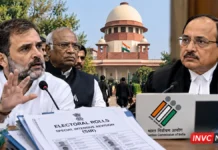
The petition names Rahul Gandhi, Congress president Mallikarjun Kharge, Trinamool Congress leader Saugata Roy, Samajwadi Party chief Akhilesh Yadav, RJD leader Tejashwi Yadav, Shiv Sena (UBT) leader Sanjay Raut, CPI(M) leader M.A. Baby, CPI leader D. Raja, Mahua Maji, Supriya Sule and E.T. Mohammed Basheer among the petitioners, according to the details provided by the opposition.
The Election Commission of India, Chief Election Commissioner Gyanesh Kumar, and Election Commissioners Sukhbir Singh Sandhu and Vivek Joshi have been named as respondents in the petition, according to the reported filing details.
The dispute centers on the Special Intensive Revision, a process intended to review and update electoral rolls. Opposition parties allege that the exercise risks wrongful voter deletions and have questioned its implementation. They have called for greater transparency and accountability in the revision process.
The Election Commission has defended its electoral-roll procedures, saying the exercise is intended to maintain accurate voter lists and remove duplicate or otherwise ineligible entries. The allegations of politically motivated manipulation remain disputed.
Rahul Gandhi Leads March Toward the Supreme Court
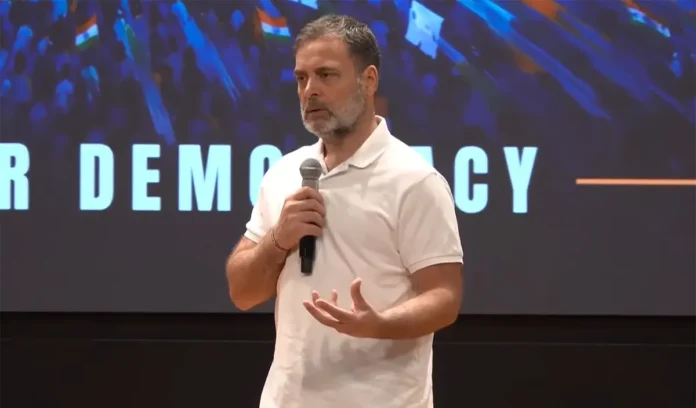
Rahul Gandhi joined other opposition leaders in a march toward the Supreme Court, accompanied by Akhilesh Yadav, Tejashwi Yadav and representatives of other INDIA bloc parties.
The march followed the opposition’s announcement that it would bring its concerns over alleged electoral irregularities before the country’s highest court. Gandhi has described the campaign as a fight to protect the Constitution and strengthen democratic institutions.
The opposition has also demanded that the SIR process be halted and that Chief Election Commissioner Gyanesh Kumar resign. These are political demands made by the opposition and should not be confused with judicial findings.
Delhi Police Tightens Security
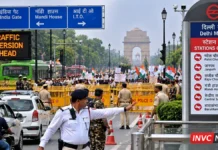
Delhi Police deployed additional personnel and put security arrangements in place around central Delhi as the march approached the Supreme Court area. Barricades and traffic restrictions affected movement in parts of the capital.
Authorities also introduced restrictions affecting selected metro stations amid the demonstrations. Commuters were advised to check official traffic and metro updates before traveling through affected areas.
The security arrangements reflect the authorities’ efforts to manage large gatherings and maintain public order. Opposition leaders, however, have criticized restrictions on demonstrations and argued that peaceful protest is an essential democratic right.
Akhilesh Yadav Says Opposition Will Continue Its Protest
Samajwadi Party president Akhilesh Yadav said the opposition would continue its campaign and use legal and political channels to press its demands.
He accused the BJP and the Election Commission of undermining democratic safeguards and alleged that irregularities in voter lists could affect electoral fairness. These statements represent the opposition’s position; the allegations require examination through evidence and appropriate legal processes.
The INDIA bloc has said that changing designated protest locations would not resolve its concerns and has called for its grievances to be addressed through institutional mechanisms.
Congress Criticizes Restrictions on Protest Sites
Congress general secretary Jairam Ramesh also criticized the reported removal of Jantar Mantar from the list of designated protest venues. He accused Prime Minister Narendra Modi and Union Home Minister Amit Shah of placing political power above democratic principles.
Ramesh used the term “Democrazy” in his criticism of the government, arguing that restrictions on public demonstrations undermine the spirit of democratic participation.
The government’s position on maintaining public order and the opposition’s objections to restrictions remain part of the wider dispute over protest rights in the capital.
What Happens Next?
The next significant development will be the judicial handling of the petition and any subsequent directions issued by the Supreme Court. The filing itself does not establish that the opposition’s allegations are correct, nor does it mean the court has accepted the requested relief.
The case places renewed attention on the procedures used to revise electoral rolls, the safeguards available to voters whose names may be removed, and the responsibilities of election authorities.
For now, the controversy remains a political and legal dispute. The opposition is seeking judicial intervention and the resignation of the chief election commissioner, while the BJP has rejected the opposition’s accusations. The court’s proceedings and any verifiable evidence will be important in determining the legal questions involved.
INVC NEWS will continue to follow developments in the Supreme Court case, the Election Commission’s response and any official updates on the Delhi protests.