NEW DELHI, August 10, 2026
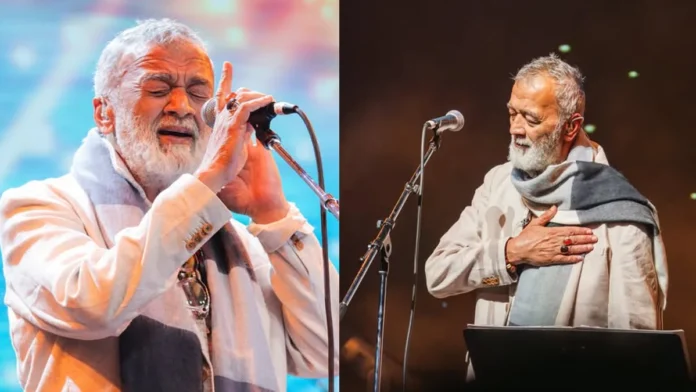
A Lucky Ali viral video showing the veteran singer becoming emotional during a recent concert has drawn widespread attention on social media. The 67-year-old artist spoke candidly about mortality while interacting with the audience and revealed that he carries what he described as his burial cloth whenever he travels.
Lucky Ali, whose soulful music has connected with listeners for nearly three decades, shared the concert video on his official social media account. In the clip, he can be seen responding to the affection expressed by members of the audience before turning the conversation toward the inevitability of death.
The singer told his fans that he loved them but understood that everyone must eventually leave the world. He made it clear that he was not attempting to prepare his audience for a farewell. Instead, he said that he had personally accepted that reality.
“One day, I have to go. I am not preparing you for it, but I am prepared,” Lucky Ali told the audience.
He then revealed that he travels with an Ihram, which he described in the video as the cloth that would serve as his burial shroud. Ali added that if he were to die while traveling, he would want to be buried in that place.
The deeply personal comments made the atmosphere at the concert noticeably emotional. After the singer posted the clip online, fans responded with messages of concern, affection and nostalgia. Many recalled growing up with his music during the 1990s and expressed how closely his songs remain connected to their memories.
The emotional interaction can be seen in the video shared through Lucky Ali’s official Instagram account.
What Did Lucky Ali Say in the Viral Concert Video?
The emotional moment began when Lucky Ali acknowledged the love he was receiving from the crowd. As fans called out to him, the singer paused his performance and addressed them directly.
He said he loved his listeners but also recognized that life is temporary. Rather than presenting his comments dramatically, Ali spoke calmly about being mentally and spiritually prepared for death.
He told the audience that he carries his Ihram whenever he travels and personally referred to it as his burial cloth. He also expressed a wish that, if he were to die away from home, his burial should take place wherever he happened to be.
His remarks appeared to reflect personal faith and acceptance. They should not be treated as evidence of a health emergency or an announcement that he is leaving music. The singer continues to perform concerts and engage with listeners.
Lucky Ali did not disclose any illness in the video. His words centered on mortality, spiritual preparedness and the reality that every life eventually comes to an end.
Fans React Emotionally to Lucky Ali’s Words
The concert video quickly gained attention after appearing on social media. Fans who have followed Lucky Ali since the beginning of his career said they found his remarks difficult to hear.
Many reactions reflected nostalgia for the late 1990s, when independent Indian pop music occupied a prominent place on television and music channels. Several fans remembered watching Lucky Ali’s music videos during their childhood and said they continue to associate his voice with a defining period of their lives.
Others responded to the spiritual aspect of his message and wished him a long, healthy and peaceful life. Some listeners said his comments reminded them that the artists they grew up admiring are also growing older, even though their music continues to feel timeless.
The response demonstrates the unusually personal connection Lucky Ali has maintained with his audience. Unlike many mainstream performers, his public image has long been associated with simplicity, introspection and distance from the conventional celebrity culture surrounding the film industry.
Lucky Ali Continues to Perform at 67
At 67, Lucky Ali remains active as a live performer. His concerts regularly attract audiences who discovered his music in the 1990s as well as younger listeners who encountered his songs through streaming services and social media.
His performances are often built around familiar compositions, acoustic arrangements and direct interaction with the audience. This intimate presentation has allowed his older songs to retain their emotional appeal even as listening habits and the Indian music industry have changed.
The viral concert moment is consistent with that personal performance style. Instead of limiting the show to a sequence of songs, Ali used the stage to share a deeply private thought with people who have remained connected to his music for decades.
One audience member could be heard speaking about maintaining that connection for nearly 30 years. The comment underlined how long Lucky Ali’s songs have remained part of Indian popular culture.
‘O Sanam’ Made Lucky Ali an Indipop Icon
Lucky Ali, whose full name is Maqsood Mahmood Ali, established his independent musical identity during the 1990s. He is the son of celebrated actor, comedian and filmmaker Mehmood, but built a career that was significantly different from his father’s work in Hindi cinema.
His breakthrough arrived with the album Sunoh, released in 1996. The album featured “O Sanam,” the song that became closely associated with his name and helped establish him as one of the leading voices of India’s Indipop movement.
The composition’s simple melody, reflective lyrics and Lucky Ali’s distinctive vocal delivery set it apart from the heavily produced film music dominating the period. Its music video, filmed against striking desert landscapes, also became one of the most recognizable Indian pop videos of the era.
“O Sanam” remains widely heard three decades after its original release. The song continues to appear in live performances, nostalgic playlists, acoustic covers and social media videos. The original album remains listed on Lucky Ali’s official Spotify catalog.
Popular Lucky Ali Songs Beyond ‘O Sanam’
Although “O Sanam” became his signature composition, Lucky Ali created several other songs that developed strong followings.
“Gori Teri Aankhen Kahen” is remembered for its restrained arrangement and romantic mood. “Teri Yaad Jab Aati Hai” similarly captured the reflective and melancholic quality that became central to his musical identity.
Other notable independent songs and albums helped strengthen his position in the non-film music space. His work stood out because it focused on personal journeys, longing, distance, memory and self-discovery rather than conventional commercial formulas.
Lucky Ali’s voice was never based on highly polished classical technique. Its appeal came from its natural texture, pauses and emotional vulnerability. Those characteristics gave his songs an intimate quality, as though he were speaking directly to the listener rather than performing for a mass audience.
Lucky Ali’s Memorable Bollywood Songs
Lucky Ali also made an important contribution to Hindi film music. Two of his best-known playback songs, “Ek Pal Ka Jeena” and “Na Tum Jaano Na Hum,” appeared in the 2000 film Kaho Naa… Pyaar Hai.
“Ek Pal Ka Jeena” became a major dance hit, while “Na Tum Jaano Na Hum” highlighted the softer and more reflective quality of his voice. The two songs introduced him to a much broader film audience while preserving the vocal identity he had developed through independent music.
He later sang “Ahista Ahista” for Bachna Ae Haseeno and “Safarnama” for Imtiaz Ali’s Tamasha. “Safarnama,” composed by A.R. Rahman, was particularly suited to Lucky Ali’s musical persona because its themes of travel and self-discovery echoed ideas that had appeared throughout his independent work.
His film catalog also includes songs connected with productions such as Yuva, Anjaana Anjaani and Sur: The Melody of Life. Despite these collaborations, Lucky Ali largely maintained an identity outside the conventional Bollywood playback system.
Why Lucky Ali’s Music Still Connects Across Generations
Lucky Ali entered the music industry during a period when private albums and music channels created a major platform for artists working outside Hindi cinema. His restrained presentation offered an alternative to more glamorous pop acts of the era.
His songs relied on uncluttered arrangements, memorable guitar-led melodies and lyrics centered on universal emotions. That simplicity helped the music age differently from tracks built around temporary production trends.
Streaming platforms and social media have since introduced his catalog to listeners who were not born when Sunoh was released. Short videos of his live performances often attract widespread attention because audiences recognize that his voice, while naturally changed by age, retains the emotional character associated with his earlier recordings.
The recent Lucky Ali concert video also shows that fans are responding to more than his songs. His candid remarks, unconventional lifestyle and refusal to perform the role of a typical celebrity have become part of his public identity.
Lucky Ali’s Emotional Moment Was Not a Farewell Announcement
The singer’s discussion of death caused concern among some followers, but nothing in the circulated video indicates that he was announcing retirement or saying goodbye to live performance.
His remarks were framed as a personal acknowledgment of mortality. He repeatedly reassured the audience that he was not attempting to prepare them for his departure. Instead, he spoke about his own spiritual readiness and the cloth he carries while traveling.
That distinction is essential for accurate reporting. The video captures an emotional and philosophical interaction at a concert; it does not confirm any medical condition or immediate change in Lucky Ali’s career.
For fans, however, the moment carried unusual emotional weight. His music has accompanied listeners through childhood, relationships, travel and personal change. Hearing him speak openly about the end of life reminded many that nearly 30 years have passed since “O Sanam” first made him a defining voice of Indian independent music.
Lucky Ali: Quick Facts
| Detail | Information |
|---|---|
| Full name | Maqsood Mahmood Ali |
| Age | 67 |
| Profession | Singer, songwriter, composer and actor |
| Father | Actor-comedian Mehmood |
| Breakthrough album | Sunoh |
| Signature song | “O Sanam” |
| Breakthrough year | 1996 |
| Popular independent songs | “Gori Teri Aankhen Kahen,” “Teri Yaad Jab Aati Hai” |
| Popular film songs | “Ek Pal Ka Jeena,” “Na Tum Jaano Na Hum,” “Ahista Ahista,” “Safarnama” |
| Reason for current attention | Emotional concert video discussing mortality |
Note: This report describes statements made by Lucky Ali in a publicly shared concert video. His comments should not be interpreted as confirmation of an illness or retirement.