NEW YORK, United States | September 26, 2026 —
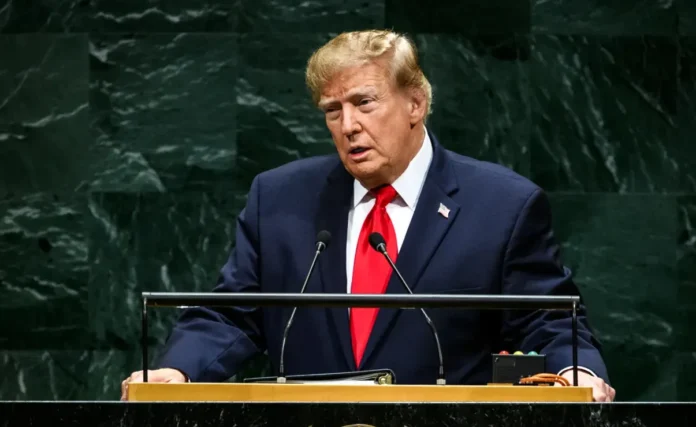
The United States has projected confidence in its negotiating position with Iran, with State Department spokesperson Tommy Pigott saying President Donald Trump “holds all of the cards” as Washington and Tehran continue indirect diplomacy on the sidelines of the United Nations General Assembly.
US and Iranian representatives have exchanged messages through mediators in New York, keeping a diplomatic channel open despite months of military and economic confrontation.
However, the latest round of contacts has not produced a final agreement.
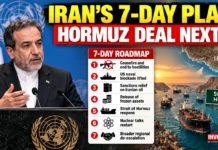
The negotiations remain focused on some of the most difficult issues in the US-Iran relationship, including Iran’s nuclear programme, sanctions, oil exports, military pressure and the Strait of Hormuz.
THE 60-SECOND BRIEF
US Position: Washington says President Donald Trump holds strong negotiating leverage.
Who Said It: State Department spokesperson Tommy Pigott.
Diplomatic Status: US and Iranian representatives have held indirect talks through mediators in New York.
US Negotiators: Steve Witkoff and Jared Kushner have been involved in the American effort.
Main Issues: Nuclear restrictions, sanctions, oil exports, military pressure and the Strait of Hormuz.
Current Outcome: No final deal has been announced.
Washington Says Pressure Is Working
The Trump administration believes its combination of economic pressure and military action has strengthened Washington’s negotiating position.
Pigott said the President holds the stronger hand and indicated that the administration intends to maintain pressure until Iran makes concessions.
The US has targeted Iranian oil revenues and other financial channels while also trying to reduce Tehran’s ability to use shipping disruption as leverage.
That is Washington’s assessment of the current balance.
Iran rejects the idea that the United States alone can dictate the terms of a settlement.
Diplomacy Continues Behind the Tough Rhetoric
Despite the strong public language, negotiations have not stopped.
US representatives Steve Witkoff and Jared Kushner have participated in talks through mediators.
The discussions have taken place indirectly, with intermediaries moving between the American and Iranian sides.
That format allows both governments to continue negotiations without presenting the process as a conventional direct meeting.
For now, those mediated contacts remain the main diplomatic channel between Washington and Tehran.
No Final Agreement Yet
The most important fact is that there is still no final US-Iran agreement.
The two sides have not announced a comprehensive peace settlement.
They have not concluded a new nuclear agreement.
They have also not reached a final understanding covering sanctions, oil exports, regional military activity or the Strait of Hormuz.
The negotiations therefore remain active but unfinished.
Iran Is Presenting Its Own Conditions
Tehran is also trying to shape the negotiating framework.
Iran wants meaningful movement on sanctions, military pressure and restrictions affecting its economy before a broader settlement can take effect.
That means the talks are not simply about whether Iran accepts American conditions.
Both sides are presenting their own demands.
Washington is emphasizing pressure and leverage.
Tehran is emphasizing reciprocal concessions.
A successful agreement would require movement from both sides.
Strait of Hormuz Remains a Key Bargaining Point
The Strait of Hormuz remains central to the crisis.
The waterway carries a large share of global oil and gas shipments and has become one of the most sensitive economic pressure points in the confrontation.
Disruption in the Strait can quickly affect:
Oil prices
Shipping costs
Marine insurance
Freight rates
Energy supplies
Global inflation expectations
The United States says oil traffic through the Strait has partially recovered.
Even so, Hormuz remains an important source of leverage for Iran and a major concern for Washington.
Nuclear Issue Still Sits at the Centre
The nuclear dispute remains the most difficult part of the negotiations.
Washington says Iran must not obtain a nuclear weapon.
Iran says its nuclear programme is intended for peaceful purposes.
Any durable settlement would therefore need to address several connected questions.
These include uranium enrichment, inspections, verification, sanctions relief and future limits on Iran’s nuclear activities.
That makes a quick agreement difficult even if diplomatic contacts continue.
Economic Pressure Is a Major US Tool
The Trump administration is relying heavily on economic pressure.
Restrictions affecting Iranian oil exports and financial networks are intended to reduce Tehran’s ability to fund state operations and regional activity.
Washington believes that pressure will eventually push Iran toward compromise.
Tehran takes the opposite view.
Iran argues that diplomacy cannot succeed unless pressure is reduced as part of the negotiating process.
Trump Keeps the Diplomatic Door Open
President Trump has combined strong rhetoric with continued diplomatic engagement.
The administration has repeatedly indicated that it prefers an agreement if its core objectives can be achieved.
That creates a two-track strategy.
One track increases pressure.
The other keeps negotiations alive.
The success of that approach will depend on whether pressure produces compromise or deepens resistance from Tehran.
Why UNGA Matters
The United Nations General Assembly has created a rare diplomatic opportunity.
Senior officials from the United States, Iran and several mediating countries are all in New York at the same time.
That allows proposals and responses to move rapidly through intermediaries.
The importance of the latest contacts is therefore not that they produced an immediate agreement.
Their importance is that the diplomatic channel remains open.
What Washington Wants
The United States wants tighter limits on Iran’s nuclear programme.
It also wants reduced threats to regional shipping and greater security around Hormuz.
Washington is using sanctions and military pressure to increase its bargaining power.
US officials believe those measures are weakening Iran’s leverage.
What Tehran Wants
Iran is seeking relief from economic restrictions and lower military pressure.
Tehran also wants movement on oil exports, shipping restrictions and frozen financial assets.
Iranian officials argue that any settlement must involve reciprocal action rather than unilateral concessions.
That remains one of the biggest differences between the two sides.
Tough Public Language, Quiet Negotiations
The current situation contains two very different signals.
Publicly, Washington is projecting strength.
Tehran is publicly insisting that it will not negotiate from weakness.
Behind the scenes, however, mediated talks are continuing.
That contrast is common in high-stakes diplomacy.
Both sides want to strengthen their bargaining position while avoiding the appearance of giving in first.
Why Global Markets Are Watching
The consequences of a US-Iran agreement would extend far beyond the two countries.
A durable settlement could reduce risks around the Strait of Hormuz.
That could lower shipping insurance costs and reduce pressure on global oil prices.
A breakdown in negotiations could have the opposite effect.
Fresh military escalation could increase fears of supply disruption and push energy costs higher.
That is why every major development in the talks is being closely watched by global markets.
Can the Talks Produce a Deal?
It is too early to say.
Washington and Tehran still disagree on several fundamental issues.
The nuclear question remains unresolved.
Sanctions remain a major obstacle.
Military pressure continues.
The Strait of Hormuz remains part of the bargaining process.
Those disagreements will require more than political statements.
They will require a written framework that both governments are prepared to accept.
What Happens Next
Mediators are expected to continue working between the two sides.
Washington will look for movement from Tehran on nuclear and security issues.
Iran will seek concrete concessions on sanctions, oil exports and military pressure.
The next meaningful breakthrough would be a mutually accepted framework setting out what each side must do and in what order.
Until then, diplomacy remains active but incomplete.
INVC NEWS Bottom Line
The United States says President Donald Trump holds the stronger negotiating position in talks with Iran, while Tehran continues to demand reciprocal concessions. Mediated contacts at the UNGA have kept diplomacy alive, but there is still no final agreement on the nuclear dispute, sanctions, military pressure or the Strait of Hormuz. The next phase will show whether tough public rhetoric can be converted into a workable settlement.
What happened. Why it matters. What comes next.