New Delhi | July 30, 2026
Sawan Calendar 2026: Sacred Month of Lord Shiva Begins Today; Check Complete Shravan Calendar, Mondays, Shivratri and Puja Guide
The holy month of Sawan (Shravan) 2026 begins on Thursday, July 30, ushering in one of the most spiritually significant periods in the Hindu calendar. Dedicated to Lord Shiva and the entire Shiva family, the month is observed with fasting, prayers, Rudrabhishek, Jalabhishek, Kanwar Yatra, and special rituals at Shiva temples across India.
According to renowned astrologer Pandit Ajay Kaushik, this year’s Sawan begins under an auspicious astrological combination (Shubh Yoga), making it especially favorable for worship, charity, mantra chanting, and observing the sacred Sawan Monday (Somwar) fasts.
The sacred month concludes on August 28, 2026.
Why Is Sawan So Important?
In Hindu tradition, Sawan is regarded as Lord Shiva’s most beloved month. Religious scriptures state that Goddess Parvati’s intense penance during Shravan pleased Lord Shiva, who accepted her as his divine consort. Consequently, the month symbolizes the eternal union of Shiva and Shakti.
Devotees believe that sincere worship during Sawan brings:
- Peace of mind
- Prosperity
- Good health
- Marital harmony
- Fulfillment of wishes
- Spiritual growth
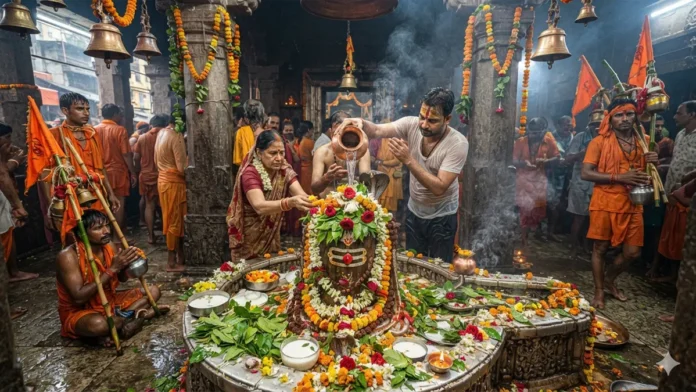
Throughout the month, Shiva temples witness large gatherings for Jalabhishek, Rudrabhishek, Panchamrit Abhishek, and Kanwar Yatra.
Sawan Somwar 2026 Dates
Mondays during Shravan are considered especially sacred for worshipping Lord Shiva.
| Sawan Monday | Date |
|---|---|
| First Sawan Somwar | August 3, 2026 |
| Second Sawan Somwar | August 10, 2026 |
| Third Sawan Somwar | August 17, 2026 |
| Fourth Sawan Somwar | August 24, 2026 |
According to religious beliefs, observing the Sawan Somwar fast is said to bring marital happiness, fulfillment of heartfelt desires, and the blessings of Lord Shiva.
Sawan Shivratri 2026
Sawan Shivratri will be observed on Tuesday, August 11, 2026.
According to the traditional Hindu calendar:
- Chaturdashi begins: 4:54 AM, August 11
- Chaturdashi ends: 1:52 AM, August 12
Since Nishita Kaal falls on August 11, devotees will celebrate Sawan Shivratri on that day.
The festival is marked by:
- Night-long worship
- Rudrabhishek
- Jalabhishek
- Shiva mantra chanting
- Offering Kanwar water to the Shivling
Complete Sawan 2026 Festival Calendar
| Date | Festival |
|---|---|
| July 30 | Beginning of Sawan |
| August 2 | Sankashti Chaturthi |
| August 3 | First Sawan Monday |
| August 4 | First Mangala Gauri Vrat |
| August 5 | Kalashtami |
| August 7 | Monthly Karthigai |
| August 8 | Rohini Vrat |
| August 9 | Kamika Ekadashi |
| August 10 | Second Sawan Monday, Som Pradosh |
| August 11 | Sawan Shivratri, Second Mangala Gauri |
| August 12 | Sawan Amavasya, Hariyali Amavasya, Solar Eclipse |
| August 13 | Shukla Paksha Begins |
| August 15 | Hariyali Teej |
| August 16 | Vinayaka Chaturthi |
| August 17 | Third Sawan Monday, Nag Panchami, Simha Sankranti |
| August 18 | Third Mangala Gauri, Kalki Jayanti |
| August 19 | Tulsidas Jayanti |
| August 20 | Monthly Durgashtami |
| August 23 | Putrada Ekadashi |
| August 24 | Fourth Sawan Monday |
| August 25 | Fourth Mangala Gauri |
| August 26 | Onam |
| August 27 | Shravan Purnima Vrat |
| August 28 | Raksha Bandhan, Shravan Purnima, Lunar Eclipse |
Essential Puja Items for Sawan
Devotees traditionally offer:
- Gangajal
- Panchamrit
- Bilva (Bel) leaves
- Shami leaves and flowers
- Dhatura
- Bhang
- Sandalwood paste
- Akshat (rice)
- Incense and lamps
- Seasonal fruits
- Sweets
- Naivedya
- Flowers
Reading the Shiva Chalisa, chanting Shiva mantras, and performing charity are also considered highly auspicious.
How to Perform Sawan Monday Puja
Follow these traditional steps:
- Wake up early and take a holy bath.
- Sprinkle Gangajal throughout the house.
- Offer Gangajal and pure water to the Shivling.
- Perform Abhishek with milk and Panchamrit.
- Offer 11 or 21 Bilva leaves, Dhatura, Shami flowers, and Akshat.
- Offer sacred items to Goddess Parvati and Durva grass to Lord Ganesha.
- Offer fruits and sweets.
- Perform Shiva Aarti and chant “Om Namah Shivaya.”
Difference Between Jalabhishek, Rudrabhishek and Panchamrit Abhishek
Jalabhishek
The simplest form of Shiva worship using pure water or Gangajal.
Rudrabhishek
Performed with Vedic mantras using Gangajal, milk, curd, sugarcane juice, jaggery, honey, and other sacred offerings. It is traditionally believed to bring peace, prosperity, and relief from hardships.
Panchamrit Abhishek
Performed using a sacred mixture of milk, curd, honey, ghee, and sugar, symbolizing purity, abundance, and divine blessings.
Offerings Believed to Please Lord Shiva
Traditional offerings include:
- Panchamrit
- Bhang and Thandai
- Bael (Wood Apple)
- Seasonal fruits
- Ber (Indian Jujube)
- Malpua
- Kheer
These offerings hold special significance in Hindu tradition and are commonly presented during Sawan worship.
Benefits of Worshipping the Shiva Family
| Deity | Traditional Belief |
|---|---|
| Lord Shiva | Removes obstacles and grants inner peace |
| Goddess Parvati | Blesses marital harmony and happiness |
| Lord Ganesha | Brings success and wisdom |
| Lord Kartikeya | Grants courage and progress |
| Nandi | Symbolizes devotion and fulfillment of wishes |
Why Is Bilva (Bel) Leaf Offered to Lord Shiva?
According to Hindu scriptures, Bilva leaves are among Lord Shiva’s most cherished offerings. Devotees believe offering fresh Bilva leaves with devotion helps seek divine blessings and spiritual merit.
Flowers, sandalwood paste, seasonal fruits, and Dhatura are also traditionally offered during Shiva worship.
Five Important Rules to Follow During Sawan
- Eat only satvik (pure vegetarian) food.
- Avoid alcohol, meat, and intoxicants.
- Maintain personal purity and self-discipline.
- Chant “Om Namah Shivaya” daily.
- Perform charity and help those in need.
Powerful Shiva Mantras
Maha Mrityunjaya Mantra
Om Tryambakam Yajamahe Sugandhim Pushtivardhanam
Urvarukamiva Bandhanan Mrityor Mukshiya Maamritat.
Shiva Gayatri Mantra
Om Tatpurushaya Vidmahe Mahadevaya Dhimahi
Tanno Rudrah Prachodayat.
Moola Mantra
Om Namah Shivaya
Special Shiva Mantra
Om Hreem Hraum Namah Shivaya
The 12 Jyotirlingas of Lord Shiva
- Somnath – Gujarat
- Mallikarjuna – Andhra Pradesh
- Mahakaleshwar – Ujjain, Madhya Pradesh
- Omkareshwar – Madhya Pradesh
- Kedarnath – Uttarakhand
- Bhimashankar – Maharashtra
- Kashi Vishwanath – Varanasi, Uttar Pradesh
- Trimbakeshwar – Nashik, Maharashtra
- Baidyanath – Deoghar, Jharkhand
- Nageshwar – Dwarka, Gujarat
- Rameshwaram – Tamil Nadu
- Grishneshwar – Maharashtra
Key Highlights
- Sawan 2026 begins on July 30 and concludes on August 28.
- Four Sawan Somwar fasts will be observed this year.
- Sawan Shivratri falls on August 11, 2026.
- The month is dedicated to Lord Shiva and is considered highly auspicious for worship, fasting, and charity.
- Devotees perform Jalabhishek, Rudrabhishek, and Panchamrit Abhishek throughout the month.
- Traditional observances include Kanwar Yatra, mantra chanting, Bilva leaf offerings, and visits to Shiva temples across India.